



Published in Indian Express 30th August 2026
Nobody designs a hotel room to make a cultural statement. There is no committee that sits down and says, "Let us ensure this room reflects our national values." And yet, without fail, it does, every single time.
Through all my travels, I have come to believe that the fifteen minutes you spend alone in a hotel room after check-in - before you have unpacked, before you have connected to the Wi-Fi, before you have figured out how the shower works - tell you more about a country than any guidebook ever will. The bed, the bathroom, the minibar, the kettle, the slippers, the light switches, the things they assumed you would need and the things they assumed you wouldn't: it's all there, a country compressed into 25 square metres. Let me walk you through a few.
The Room That Thinks
Japanese hotel rooms are small, often startlingly small. You walk in, put your suitcase on the bed, and realise the suitcase is now touching both walls. The wardrobe is a shelf. The desk is a shelf with slightly different intentions. The window opens just enough to confirm that, yes, you are still in Japan.
And then you start noticing things. The toilet has a heated seat. It has a bidet with adjustable pressure and temperature. It has a button that plays the sound of running water so nobody in the next stall hears you. There are slippers by the door, placed at a precise 45-degree angle, toes pointing towards you so you can step into them without bending down, and separate slippers for the bathroom, because of course there are. The remote control for the TV has a button that shows you how to fold your yukata, the light cotton robe that Japanese hotels leave for every guest to wear around the room and down to breakfast. The shampoo, conditioner, and body wash are in identical bottles, but each has a different texture of raised dots on the cap so you can tell them apart in the shower with your eyes closed.
The room is small, but nothing has been left to chance. Every centimetre has been thought about by someone who cared. Japan's hotel rooms don't say "welcome." They say "we anticipated you."
The Room That Gives You More Than You Need
An American hotel room is three times the size of a Japanese one and about a third as considered. You walk in and there's space, a lot of space: a king-size bed that could sleep a family of four, a desk you will never use, an armchair you will use once, to throw your jacket on, a closet with eighteen hangers and an ironing board you will discover when you are looking for the safe, and two sinks in the bathroom.
Then there are the pillows. There are always too many - four, six, sometimes eight, arranged in layers like geological strata, and half of them end up on the floor within ten minutes. The ice bucket is prominently placed, because Americans have a relationship with ice that the rest of the world has never fully understood. There is a coffee maker with pods that produce something technically classified as coffee, and a TV with 200 channels and nothing to watch.
The American hotel room isn't about precision. It's about abundance. The room says: we may not have thought about the details, but we gave you a lot of everything, and if that's not enough, there's a vending machine down the hall.
The Room That Judges You Quietly
Scandinavian hotel rooms are a masterclass in elegant restraint. Everything is white, cream, or the colour of unbleached linen. The furniture is wood, pale and smooth, with no unnecessary ornamentation. The bed is low. The lighting is warm but dim, as if the room is gently discouraging you from staying awake past 9 PM. There is a single, beautifully designed lamp that looks like it belongs in a museum and provides roughly the same amount of light as a candle.
The minibar is where the cultural message becomes explicit. A small bottle of water costs what a full meal costs in Lisbon. A beer is priced like a bottle of wine. A bag of nuts is itemised like a luxury good. The minibar doesn't say "help yourself." It says "we trust you to exercise self-control."
The bathroom will have one excellent shampoo, one excellent conditioner, and one excellent soap, all in refillable ceramic dispensers, because individual plastic bottles would be environmentally irresponsible. The towels are thick but not excessive: two per person, not twelve.
The Scandinavian hotel room is beautiful, calm, and ever so slightly disapproving. It wants you to be a better person during your stay. You find yourself making the bed before you leave, even though housekeeping will do it. The room has that effect.
The Room That Will Feed You No Matter What
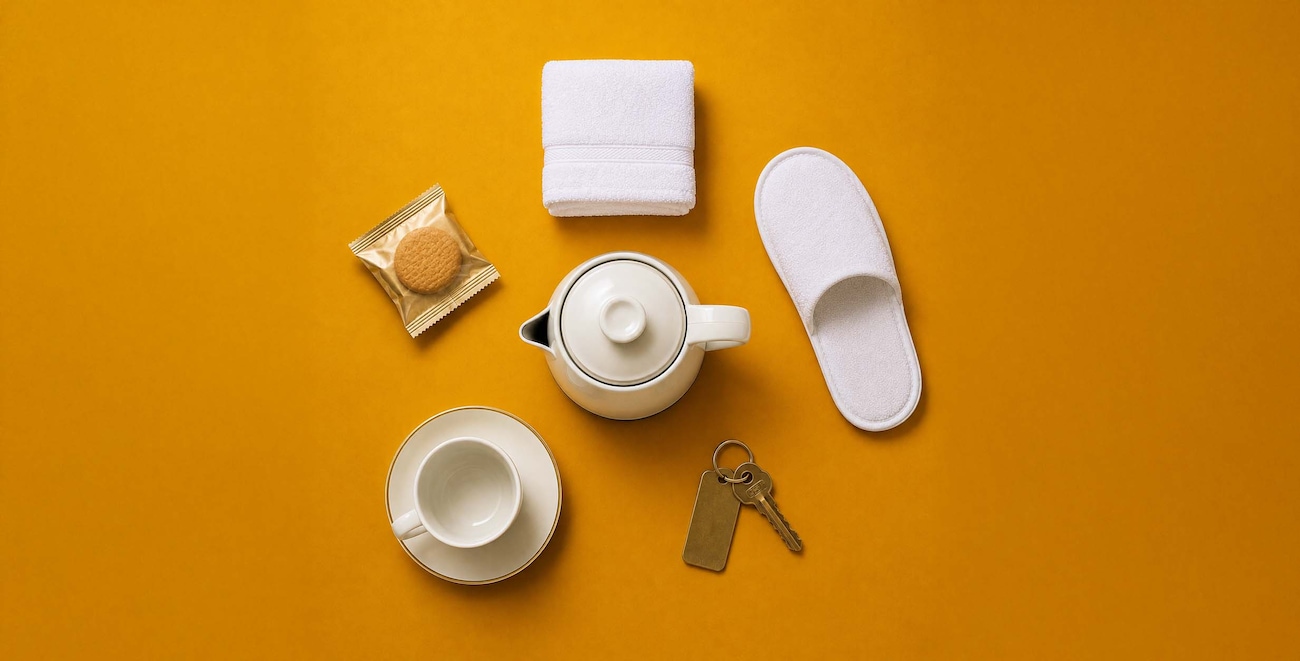
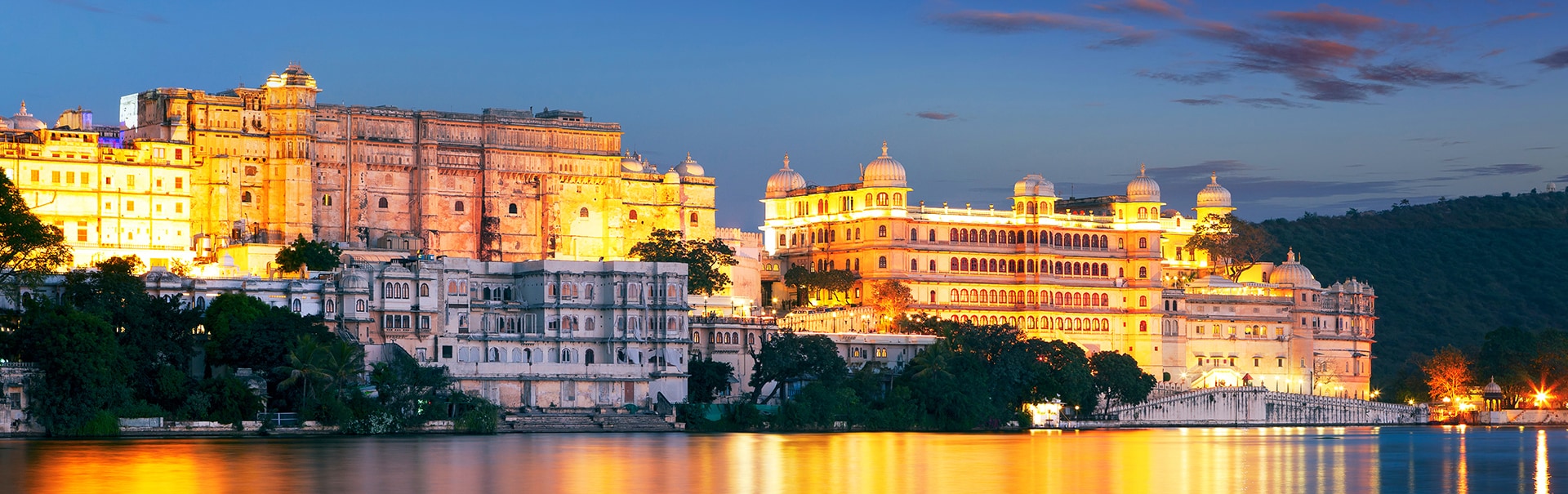
Indian hotel rooms, across every price point, share one non-negotiable feature: a kettle. It might be a five-star suite in Udaipur or a business hotel in Pune, but there will be a kettle, sachets of instant coffee and tea, two cups, a small container of sugar, and powdered milk or, if the hotel is feeling generous, tiny sealed cups of liquid creamer. This is the baseline, the minimum commitment an Indian hotel makes to its guest: hot water will be available to you at all times.
Next to the kettle, there will be a laminated room service menu, and it will always, without exception, include dal, rice, a paneer dish, and a chicken dish. It doesn't matter if the hotel restaurant is Italian or if the lobby has a sushi counter - the room service menu knows who you are. You have been travelling all day, it's 11 PM, and what you actually want is dal chawal. The menu anticipated this before you did.
The bathroom will have too many products: shampoo, conditioner, body wash, body lotion, shower cap, shaving kit, dental kit, sewing kit, shoe shine sponge, and a small bottle of mouthwash you may never open. Indian hotels don't do restraint. They do abundance with care. The assumption is that you might have forgotten something, and the hotel's job is to make sure that never becomes a problem.
The Indian hotel room says, clearly and warmly: we will take care of you. Sit down, have some chai - dinner is on page three.
The Room That Wants to Impress You
Gulf hotel rooms, particularly in Dubai and Abu Dhabi, operate on a different philosophy entirely. The room doesn't want to make you comfortable. It wants to make you feel important. The lobby will have a chandelier the size of a car. The hallway carpet will be thick enough to lose a shoe in. The room itself will be large, gold-accented, and aggressively air-conditioned. The bathroom will have marble - not marble-effect tiles, actual marble. The toiletries will be branded, possibly by a fashion house you recognise.
There will be a welcome note, possibly handwritten, possibly accompanied by a plate of dates and Arabic coffee. The turndown service will leave chocolates and a folded towel shaped like a swan. The minibar will include items that seem to have been selected for visual impact rather than practical consumption: a gold-wrapped chocolate bar, a bottle of water with a label in calligraphy, a jar of macadamia nuts presented like jewellery.
The Gulf hotel room says: you are our guest, and guests are royalty. It's not subtle, but it's sincere, and after a few days, you start standing a little straighter.
Europe's Contradictions
European hotel rooms vary so wildly that generalisation is dangerous, but for our Sunday read, I am willing to risk a few.
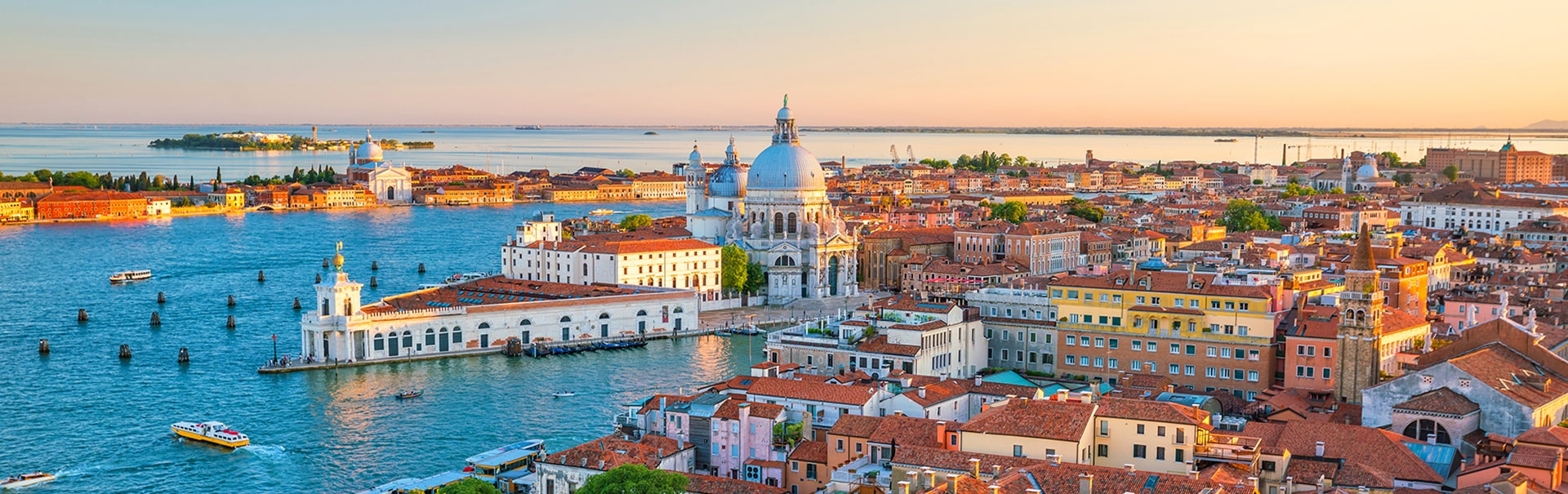
Italian hotel rooms are romantic and slightly broken. The shutters don't close fully. The Wi-Fi works in the lobby but not in the room. The bathroom is gorgeous, but the shower head has two settings: scalding and off. None of this matters, because the view from the window is a terracotta roofline and a church bell, and you forgive everything.
British hotel rooms are apologetically small. There will be a kettle (the British and Indians agree on this point), biscuits, and a note explaining that the radiator is decorative rather than functional. The room says: we know this isn't ideal, but we are terribly sorry about it, and here's a custard cream.
Greek hotel rooms are white, simple, and have a balcony with a sea view that makes the room irrelevant. You check in, step onto the balcony, and don't go back inside until it's time to sleep.
What the Room Is Really Saying
The hotel room is the first honest conversation you have with a country. Not the airport, which is designed for efficiency. Not the taxi, which is designed for transit. The hotel room is where a country shows you what it thinks hospitality means.
Japan thinks hospitality means anticipating every need before you have it. America thinks it means giving you so much you couldn't possibly want more. Scandinavia thinks it means giving you exactly what you need and nothing extra. India thinks it means making sure you are fed. The Middle East thinks it means making you feel like the most important person in the building. None of them are wrong - they are just different answers to the same question: what does a guest need?
So the next time you check into a hotel room anywhere in the world, just stand there for a minute. Look at what's been placed where, what's been included and what hasn't - the pillows, the kettle, the slippers, the minibar. The room is already talking to you. All you have to do is listen.
Know the Unknown
This week, since we're on hotel rooms, here's one that ties the two together.
Emirates flies an Airbus A380 with two fully functioning shower suites at 40,000 feet. Not a wet wipe - a real shower, with heated floors, Bvlgari toiletries, a vanity mirror, and five minutes of hot running water while cruising at 500 mph over the Indian Ocean. Each first class passenger gets one shower and up to thirty minutes in the suite. The showers sit at the front of the upper deck, in space too curved for seats - so Emirates turned dead space into a bathroom.
Here's what fascinates me. Airlines obsess over weight, shaving grams off everything to save fuel - yet Emirates loads hundreds of extra kilos of water onto every A380 flight just so fourteen passengers can shower midair. Economically, it makes no sense. As branding, it's genius: millions who'll never fly first class still associate Emirates with that shower. Remember what I said about Gulf hotel rooms - they're not about comfort, they're about making you feel important. This shower is that philosophy at altitude. See you next week…







 81 videos



















Post your Comment
Please let us know your thoughts on this story by leaving a comment.