


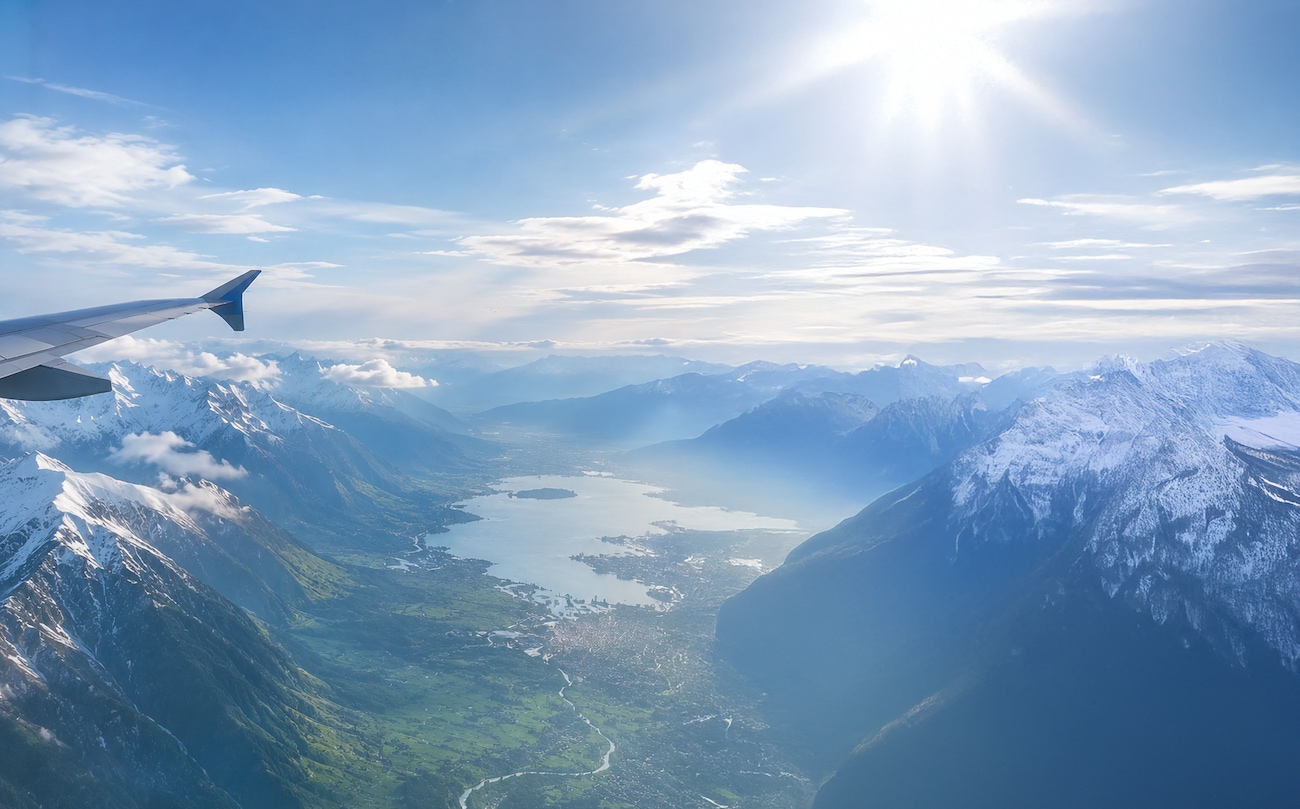

Published in Gujarat Samachar. Date 23rd August, 2026
...ઉપરથી દેખાતો ભારત પૃથ્વી પરના સૌથી સુંદર દેશોમાંનો એક છે, પરંતુ આપણામાંથી મોટા ભાગના લોકો માથું નીચે રાખીને ઉડાણ ભરે છે તેઓ બધું ચૂકી જાય છે...
બેઅઠવાડિયા પહેલાં વિમાનથી શ્રીનગર જઈ રહ્યો હતો. હું બારી પાસે બેઠો હતો અને જે જોયું તેનાથી આશ્ચર્યચકિત થઈ ગયો. વિમાન પીરપંજલ પર્વતો પાર કરીને કાશ્મીર ખીણમાં નીચે આવી રહ્યું હતું. મેં જે જોયું તે કોઈ ફિલ્મના દ્રશ્ય જેવું લાગતું હતું. ઓગસ્ટમાં પણ ઊંચા પર્વતો પર બરફ હતો. નીચેની ખીણો તેજસ્વી લીલી હતી, ઝેલમ નદી ખીણમાંથી ચમકતી ચાંદીની રેખાની જેમ વહેતી હતી અને દાલ લેક દૃશ્યમાન થયું, જે શાંત અને સ્થિર હતું, જેની આસપાસ શ્રીનગર યોજનાબદ્ધ રીતે નિર્માણ કરાયું હતું.
આ દૃશ્યને વધુ ખાસ બનાવે તે આ છે: તમે તેનો ફોટો લઈ શકતા નથી. સુરક્ષાનાં કારણોસર શ્રીનગર એરપોર્ટ નજીક 10,000 ફૂટથી નીચે ફોટો અને વિડિયોઝ ઉતારવાની મંજૂરી નથી. આ વિશ્વના છેલ્લાં ઉત્તમ દૃશ્યોમાંનું એક છે, જેનો તમે ફક્ત તમારી પોતાની આંખોથી આનંદ માણી શકો છો, કોઈ ફોટો, કોઈ વિડિયો, કોઈને બતાવવા માટે કશું જ નથી. ફક્ત તમે, બારી અને એક ખીણ, જે આ રીતે શાંતિથી જોવા માટે જ બનાવવામાં આવી છે.
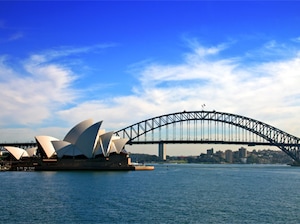
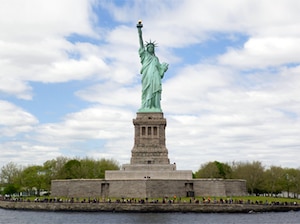
મેં ન્યૂ યોર્ક, હોંગકોંગ અને સિડની જેવાં મોટાં શહેરોમાં પ્રવાસ કર્યો છે. જોકે સાફ દિવસે શ્રીનગરમાં ઉડાણ એટલું જ સુંદર છે, કદાચ વધુ, કારણ કે તમે કેમેરા પાછળ છુપાઈ શકતા નથી. તમારે ફક્ત તેને તમારી પોતાની આંખોથી જોવું પડશે.
તે ઉડાણથી હું એ બાબત વિશે વિચારવા મજબૂર થયો જેના વિશે આપણે પૂરતી વાત કરતા નથી. ઉપરથી દેખાતો ભારત પૃથ્વી પરના સૌથી સુંદર દેશોમાંનો એક છે, પરંતુ આપણામાંથી મોટા ભાગના લોકો માથું નીચે રાખીને ઉડાણ ભરે છે તેઓ બધું ચૂકી જાય છે.
અચાનક દેખાતી ખીણ
મને શ્રીનગર વિશે થોડી વધુ વાત કરવા દો, કારણ કે તે તેનું હકદાર છે. મુંબઈથી શ્રીનગરની ફ્લાઇટ લગભગ ત્રણ કલાક લે છે. પહેલાં બે કલાકના પ્રવાસમાં નીચે સપાટ જમીન હોય છે, કશું ખાસ નહીં. આ પછી શિવાલિક ટેકરીઓ શરૂ થાય છે, જમીન ગડી થવાનું શરૂ થાય છે અને ટૂંક સમયમાં તમે પીરપંજલ પર્વતમાળા, ભૂરા ખડકો અને સફેદ બરફ ઉપર પહોંચી જાઓ છો, એટલા વિશાળ સ્તર પર કે તે કોઈ દંતકથા જેવું લાગે છે.
ખીણ ધીમે ધીમે અલોપ થાય છે. પછી તે અચાનક દેખાય છે. એક ક્ષણે તમે ફક્ત પર્વતો જુઓ છો અને બીજી ક્ષણે નીચે એક સપાટ, લીલી ખીણ જુઓ છો અને વિમાન તેની તરફ નીચે આવવાનું શરૂ કરે છે. દાલ લેક દેખાય છે, તેની નાની નૌકાઓ, જેને શિકારા કહેવાય છે, પાણી પર નાની કાળી રેખાઓ જેવી લાગે છે. તે એટલી સુંદર લાગે છે કે તે અવાસ્તવિક ભાસે છે, કોઈ ચિત્ર જેવું. શ્રેષ્ઠ દૃશ્ય જોવા માટે ઉત્તર તરફ ઉડાણ સમયેસીટ અમાં ડાબી બાજુ બેસો.
જ્યાં જમીન અન્ય ગ્રહ જેવી લાગે છે
જો શ્રીનગર સુંદર છે તો લેહ બીજી દુનિયા જેવું લાગે છે. તેનું એરપોર્ટ, કુશોકબાકુલા રિમ્પોચી એરપોર્ટ, 10,600 ફૂટથી વધુ ઊંચું છે, જે નિયમિત ફ્લાઇટ્સ માટે વિશ્વના સૌથી ઊંચામાંનું એક છે. ઉતરાણ એટલું મુશ્કેલ છે કે ફ્લાઇટ્સ ફક્ત સવારે ઊતરે છે, જ્યારે પવન શાંત હોય છે; જો હવામાન ખરાબ હોય તો ફ્લાઇટ ઉતરાણ કરતી નથી.
તે થાય છે અને તમે જમણી બાજુ બેસો ત્યારે દૃશ્ય અતુલનીય હોય છે. દિલ્હીથી ફ્લાઇટ શિવાલિક ટેકરીઓ, પીરપંજલ અને સુંદર હિમાલયને પાર કરે છે, લડાખની સૂકી, ખડકાળ ભૂમિ પર પહોંચતાં પહેલાં ભૂરા અને નારંગી પર્વતો ઊંડી રેખાઓથી ભરચક લાગે છે, સિંધુ નદી ખૂબ નીચે ચકમકે છે, દૂર બરફીલા શિખરો છે અને ક્યાંય એક પણ વૃક્ષ નથી. તે મંગળ જેવું લાગે છે, ફક્ત વધુ પ્રકાશિત છે.
લોકો ઘણી વાર તેને ભારતની સૌથી સુંદર ડોમેસ્ટિક ફ્લાઇટ કહે છે. હું કહીશ કે તે દુનિયાની સૌથી સુંદર ટૂંકી ફ્લાઇટ્સમાંની એક છે. દિલ્હીથી ફક્ત દોઢ કલાકમાં તમે પર્વતોથી ઘેરાયેલી ખીણમાં ઊતરો છો, જેથી ખુલ્લા અને જૂના પર્વતો હિમાલયને યુવા દેખાય છે. ડાબી બાજુ બેસો અને ઊંઘમાં નહીં પડો.
જ્યાં સમુદ્ર રંગ બદલે છે
હવે ચાલો બીજી દિશામાં જઈએ. ચેન્નાઈ અથવા કોલકાતાથી પોર્ટ બ્લેર જતી ફ્લાઇટ બંગાળની ખાડી પર લગભગ બે કલાક લે છે. તેમાંથી મોટા ભાગના માટે તમને ફક્ત રાખોડી-વાદળી પાણી દેખાય છે અને કંટાળો આવવો અને છાંયડો બંધ થવો તે સ્વાભાવિક છે. તેથી કંટાળો નહીં કરશો.
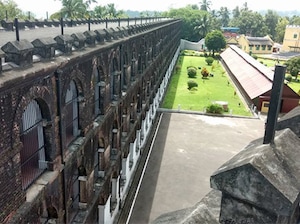
ઉતરાણના લગભગ વીસ મિનિટ પહેલાં આંદામાન ટાપુઓ નીચે દેખાય છે અને સમુદ્ર રંગ બદલે છે, ઘેરા વાદળીથી ભૂરા રંગથી આછાલીલા રંગ સુધી સ્પષ્ટ પટ્ટાઓમાં પાણી રેખાઓ દોરવામાં આવી હોય તેવું લાગે છે. ટાપુઓ સફેદ રેતાળ ધાર અને તેમની આસપાસ કોરલ રીફ સાથે ઘેરા લીલા આકાર જેવા દેખાય છે. આ ત્યારે થાય છે જ્યારે તમને ખ્યાલ આવે છે કે આંદામાન મુખ્ય ભૂમિ ભારત કરતાં થાઇલેન્ડની નજીક બેસે છે.
વિમાન નીચે આવે છે તેમ તમે નાના ટાપુઓ પર ઉડાણ ભરો છો, જેની તમે કદાચ ક્યારેય મુલાકાત નહીં લો, દરેક સુંદર દરિયાકિનારાથી સજ્જ છે. વીર સાવરકર એરપોર્ટના રનવે પર એક બાજુ ગાઢ જંગલ છે અને બીજી બાજુ ભૂરો સમુદ્ર છે; જ્યારે તમે ઊતરો છો ત્યારે તમારી રજાઓ શરૂ થઈ ગઈ હોય તેવું લાગે છે.
ચમકતું શહેર
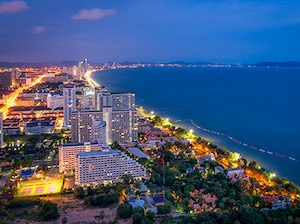
મુંબઈમાં પર્વતો કે વાદળી સમુદ્ર નથી. રાત્રે અને દિવસે તે નાટકીય દેખાય છે. રાત્રે ઉડાણ ભરતાં તમે પહેલા અંધકાર જુઓ છો, પછી દરિયાકિનારો, પછી દરેક દિશામાં નારંગી અને સફેદ પ્રકાશનો વિશાળ ફેલાવો, જે આગળ વધતો જાય છે. તમે મરીન ડ્રાઇવ, ક્વીન્સ નેકલેસ, સોનેરી લાઇટની દોરીની જેમ ઝળહળતો અને બાંદરા-વરલી સી-લિંકને કાળા પાણીમાં પાતળી રેખાની જેમ ચમકતો જોઈ શકો છો.
જોકે શ્રેષ્ઠ દૃશ્ય ટેકઓફફ પર છે. ડાબી બાજુ બેસો અને નીચે જુઓ જ્યારે વિમાન અરબી સમુદ્ર ઉપર ઊડે છે ત્યારે મુંબઈનો આખો પશ્ચિમ કિનારો નીચે હોય છે. સી-લિંક માહિમ ખાડીમાં ફેલાયેલો છે અને નવો કોસ્ટલ રોડ કિનારે ચાલે છે, જે વરલીથી મરીન ડ્રાઇવને જોડે છે, જે થોડાં વર્ષો પહેલાં અસ્તિત્વમાં નહોતો. ઉપરાંત તમે સમુદ્ર પર બનેલી નવી જમીન, મલબાર હિલમાં પ્રવેશતી ટનલ અને બાંદરાથી શહેરના દક્ષિણ છેડા સુધીનો એક લાંબો રસ્તો જુઓ છો. એવું લાગે છે કે મુંબઈ પોતાનો દરિયાકિનારો ફરીથી લખી રહ્યું છે, જે ફક્ત વિમાનની બારીમાંથી જ દેખાય છે. હું મુંબઈથી સેંકડો વાર ઉડાણ ભરી ચૂક્યો છું અને હું હજુ પણ બારી તરફ ઝૂકું છું. આ શહેર ભલે તમે તેને છોડી રહ્યા હોવા છતાં તમને આકર્ષે છે.
જે ફ્લાઇટ્સ વિશે કોઈ વાત કરતું નથી
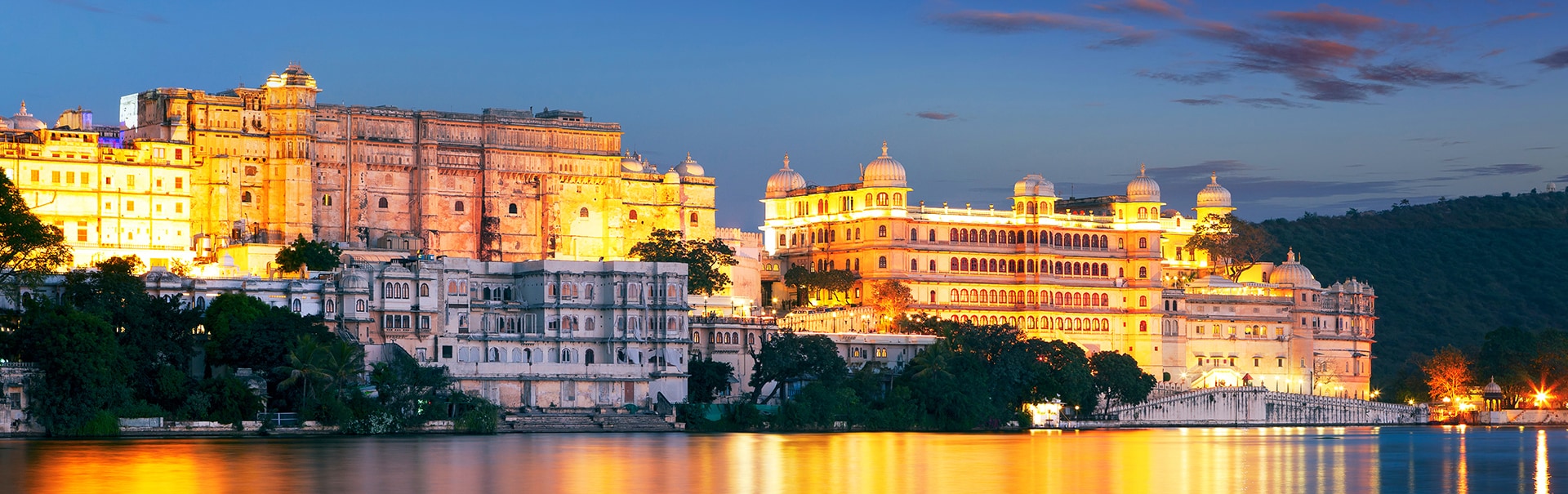
આ એવાં પ્રખ્યાત દૃશ્યો છે જે મોટા ભાગના વારંવાર ઉડાણ ભરનારાઓ પહેલાથી જ જાણે છે. જોકે ભારતમાં ઘણા વધુ રસ્તાઓ છે જ્યાં બારીની સીટ કંઈક ખાસ બતાવે છે, જે મોટા ભાગના લોકો ચૂકી જાય છે. દાર્જીલિંગ અને સિક્કિમના પ્રવેશદ્વાર, બાગડોગરામાં, કાંચનજંગા એક સ્વચ્છ દિવસે આખા આકાશને ભરી દે છે, વિશાળ અને અપેક્ષા કરતાં વધુ નજીક. મુંબઈથી ગોવા માર્ગ પર એક જ નજરમાં પશ્ચિમ ઘાટ કોંકણ કિનારે, પર્વતથી ઉચ્ચ પ્રદેશથી દરિયાકિનારે અને દરિયાકિનારા સુધી ફેલાતો જુઓ. દિબ્રુગઢમાં બ્રહ્મપુત્ર નદી કરતાં વધુ ફરતા સમુદ્ર જેવું લાગે છે, જે રેતીના પટ્ટાઓથી ભરેલું છે. જોધપુર ઉપર બ્લુ સિટી ખરેખર આકાશમાંથી વાદળી અને સફેદ દેખાય છે, મેહરાનગઢ કિલ્લાની દીવાલોની અંદર. અને ઉદયપુર ઉપર તળાવો, પિછોલા, ફતેહસાગર અને સ્વરૂપસાગર, કથ્થઈ અરવલ્લી ટેકરીઓ વચ્ચે રત્નો જેવાં દેખાય છે.
તમારે હંમેશાં બારીવાળી સીટ કેમ પસંદ કરવી જોઈએ
હું આ વિશે વિચારતો રહું છું. લોકો સ્વિત્ઝર્ર્લેન્ડના પર્વતો જોવા માટે બે લાખ રૂપિયા, ન્યૂ ઝીલેન્ડના લેન્ડસ્કેપ્સ માટે ચાર લાખ અને આઇસલેન્ડનાં દૃશ્યો માટે આઠ લાખ રૂપિયા ખર્ચીને પીરપંજલ અથવા પશ્ચિમ ઘાટ ઉપર છાંયડો બંધ કરીને ઉડાણ ભરે છે.
આકાશમાંથી દેખાતો ભારતનો ભૂગોળ આશ્ચર્યજનક રીતે વૈવિધ્યસભર છે. એક દેશમાં તમે બરફથી ઢંકાયેલા પર્વતો, રણનાં શહેરો, ટાપુઓની સાંકળો, ઉષ્ણકટિબંધીય દરિયાકિનારા, પહોળી નદીઓ અને ગાઢ જંગલો ઉપર ઉડાણ ભરી શકો છો, આ બધું સ્થાનિક ફ્લાઇટ્સમાં,બે કલાકની ટિકિટના ભાવે.
વિન્ડો સીટ પસંદ કરવી એ ફક્ત નાની પસંદગી નથી. યોગ્ય રૂટ પર, યોગ્ય દિવસે, તે સફરનો પહેલો, ક્યારેક શ્રેષ્ઠ ભાગ હોઈ શકે છે. તેથી આગામી વખતે જ્યારે તમે ફ્લાઇટ બુક કરો ત્યારે બારીવાળી સીટ પસંદ કરો, કઈ બાજુ બેસવું તે શોધો અને તે છાંયડો ઉપર રાખો. તમે પહેલાથી જ વિશ્વના સૌથી સુંદર દેશોમાંના એક ઉપર ઉડાણ ભરી રહ્યા છો. તમે બહાર પણ જોઈ શકો છો. આવતા અઠવાડિયે ફરી મળીશું.






 83 videos










Post your Comment
Please let us know your thoughts on this story by leaving a comment.