



Published in Indian Express 12th July 2026
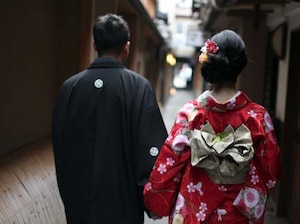
If you are a regular reader of this column, you also know that I have been to Tokyo more than five times now. And I can tell you with absolute certainty that the first time, I didn’t really see it. I saw the highlights, sure. I did Shibuya Crossing, I ate ramen in Shinjuku, I stood in front of the Senso-ji temple and took the photo everyone takes. I rode the shinkansen. I came home and told everyone it was incredible, and it was. But when I went back the second time, I wasn’t following a list anymore. I was just… there. And that’s when Tokyo actually opened up.
The second time, I found a tiny yakitori place under the train tracks in Yurakucho where the smoke from the grill mixed with the rumble of the trains overhead. I spent an entire afternoon in Yanaka, a neighbourhood that feels like Tokyo forgot to modernise it: narrow lanes, old wooden houses, cats on every wall, and a cemetery that locals walk through like it’s a park. I noticed things I had walked right past the first time: the way convenience store staff bow even when you are buying a single onigiri snack at midnight, the fact that Tokyo is almost eerily quiet for a city of 14 million people.
None of that was on any itinerary. It couldn’t have been. Because you only find those things when you stop trying to do a city and start just being in it. And you can only do that the second time around. I have started calling this the Two-Trip Rule, and the more I travel, the more I believe it’s true: you don’t actually know a place until you have been there twice.
The First Trip Is the Trailer
Think about it this way. Your first trip to any destination is essentially a trailer for the real film. You are orienting yourself. You are ticking off the landmarks you have seen in photos. You are spending mental energy on logistics like where is the metro, which exit do I take, is this the right restaurant or the tourist trap next door with the same name. You are managing expectations, adjusting to the timezone, figuring out the currency, and trying to fit seventeen things into a day that realistically holds about four.
There is nothing wrong with that. First trips are exciting precisely because everything is new. But “everything is new” also means you are processing at surface level. You see a lot, but you absorb very little. You come home with photos and memories, but if someone asks you what a place felt like, the pace of it, the rhythm of it, the personality of it, you would struggle to answer with anything beyond the guidebook version. The second trip is where the feeling starts.
Melbourne Taught Me This
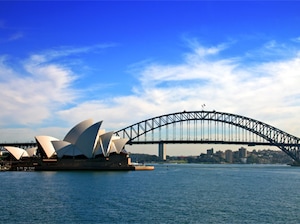
I lived in Melbourne for four years, so this might be cheating slightly. But even before I moved there, I had visited twice, and the difference between those two trips taught me something I have carried ever since.
The first time I did the Great Ocean Road, I walked around Federation Square, I went to the Queen Victoria Market, and I had brunch in a café that a blog recommended. Standard Melbourne checklist. Beautiful city, great coffee, done.
The second time, I had no checklist. And that’s when Melbourne became Melbourne for me. I wandered into a laneway I hadn’t noticed before and found street art that was better than most galleries I had been to. I sat in a café in Fitzroy for two hours and watched the neighbourhood move, dog walkers, cyclists, people reading actual newspapers. I took the tram to St Kilda not because it was on a list but because someone at the hotel said “you look like you would like St Kilda”, and they were right.
The difference wasn’t the city. Melbourne hadn’t changed between trip one and trip two. I had. On the first trip, I was a tourist collecting experiences. On the second, I was a person just living in a place for a few days. And the place responded differently because of it.
What Changes on the Second Trip
Here is what I have noticed happens when you return to a destination. And I think any frequent traveller will recognise this.
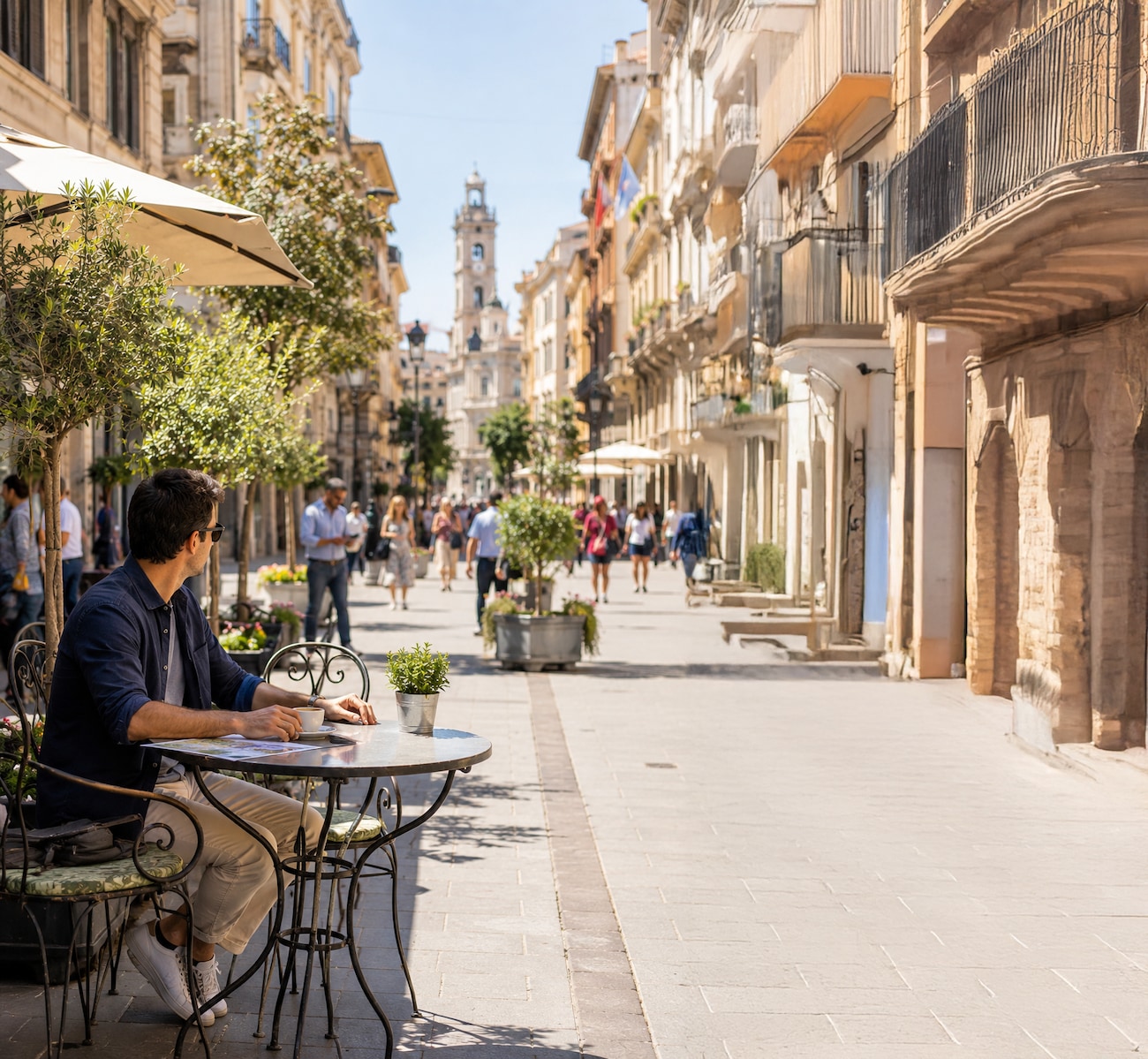
You skip the queue: Not literally, although sometimes that too. But you stop feeling the pressure to see everything. You have already seen the Sagrada Familia, so this time in Barcelona, you spend the morning in the Boqueria market without rushing. You have done Times Square in New York, so this time you walk through the Upper West Side and discover it’s a completely different city up there; quieter, leafier, full of people who look like they have never been to Times Square in their lives.
You eat better: On your first trip, you eat where the internet tells you to. But on second trips, you eat where the street takes you. Some of my best meals have been on second visits: a pho stall in Hanoi, a wine bar in Barcelona’s Gràcia neighbourhood that had no signboard and four tables. You trust your instincts on the second trip because you have already made the safe choices. Now you are ready for the interesting ones.
You notice the ordinary: This is the big one. First trips are about the extraordinary. The monument, the view, the once-in-a-lifetime moment. Second trips are about the ordinary. How people commute, what they eat for breakfast, how the city sounds at 7 AM before the tourists wake up. And the ordinary is almost always more interesting than the extraordinary, because the ordinary is what the place actually is. The Eiffel Tower tells you about Paris in 1889. The way a Parisian orders coffee tells you about Paris right now.
You have a relationship with the place: This may sound abstract, but it’s real. When you return somewhere, the city isn’t a stranger anymore. You remember the layout. You recognise a street corner. You know which side of the station the exit is on. That familiarity frees up mental bandwidth, and into that space flows everything you missed the first time. The details. The textures. The things that make a place feel like a place rather than a postcard.
The Argument Against Somewhere New
I know what some of you are thinking. Life is short, the world is big, there are 195 countries, and you want to see as many as possible. Why go back to Barcelona when you haven’t been to Portugal? Why return to Vietnam when you could try Cambodia? It’s a fair question. And I’m not saying you should never go somewhere new; of course you should. But I am saying that the race to add new pins to the map sometimes comes at the cost of actually understanding the pins you have already got.
I have met travellers who have been to 40 countries and can’t tell you much about any of them beyond which hotel they stayed at and which monument they photographed. I have met others who have been to five countries, three of them more than once, and they can tell you stories that make you feel like you were there. The second group travels slower but sees more. That’s the paradox.
Where to Apply the Rule
Not every destination needs a second trip. Some places are genuinely one-visit experiences, and that’s fine. But certain cities and countries reveal so much more the second time that I’d argue the first trip is just the setup.
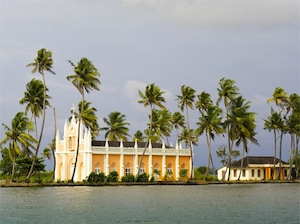
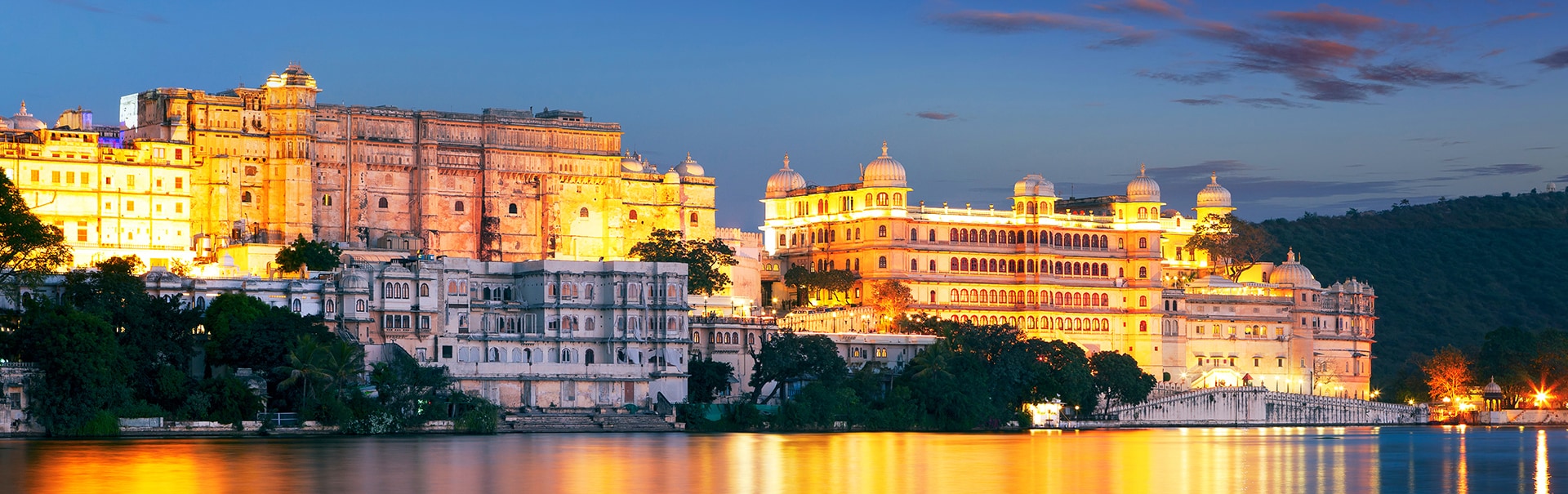
Tokyo is at the top of that list, for me. So is Barcelona, a city with so many layers that one trip barely scratches the surface. Vietnam rewards a return visit enormously, especially if your first trip was the classic Hanoi–Ha Long Bay–Ho Chi Minh City route and you missed the Central Coast entirely. New York is a different city every time you go, depending on which borough you stay in. And honestly, even within India, go back to Rajasthan after your first trip. Go back to Kerala. I promise you will see a different place.
The Two-Trip Rule isn’t really about the number two. It’s about the shift that happens when you stop being a first-time visitor and start being someone who’s returning. That shift changes what you notice, what you seek out, and what you take home with you.
Full Circle
So here is what I have come to believe. Every destination you have visited only once is an unfinished conversation. You showed up, you introduced yourself, you exchanged pleasantries. But you left before anything real was said.
The places that have shaped the way I think about travel, Tokyo, Melbourne, Barcelona, Hanoi, aren't places I saw once and admired. They are places I went back to, got a little lost in, and came home from with something I didn't have before. Not a photo. Not a souvenir. A point of view. That's what the second trip gives you. Not more of the same place. A different version of yourself in it. See you next week…
Know the Unknown
Ever since we launched flight bookings on Veena World, I have been disappearing down rabbit holes I didn't know existed. Flight routes, airport layouts, runway engineering. The kind of stuff that has no business being this interesting but absolutely is. And this week, I found one that stopped me cold.
Gibraltar. A tiny British territory bolted onto the bottom of Spain, so small they had nowhere to build a runway except straight across the only road connecting it to the mainland. So that's what they did. During World War Two, they built the runway right over the road. Cars eventually got a tunnel. But pedestrians? They still walk across the active runway today. Barriers come down, a plane lands, barriers go up, people cross. It's an airport and a pedestrian crossing at the same time.
And then you take off. One end of the runway drops into the Mediterranean. The other end drops into the Atlantic. Spain is on your left, Morocco is fourteen kilometres ahead of you, and the Rock of Gibraltar, four hundred and twenty-six metres of solid limestone, towers over the whole thing. You take off between two continents, over the gap where Europe ends and Africa begins. There is no airport on earth with a more dramatic exit.






 86 videos
















Post your Comment
Please let us know your thoughts on this story by leaving a comment.