


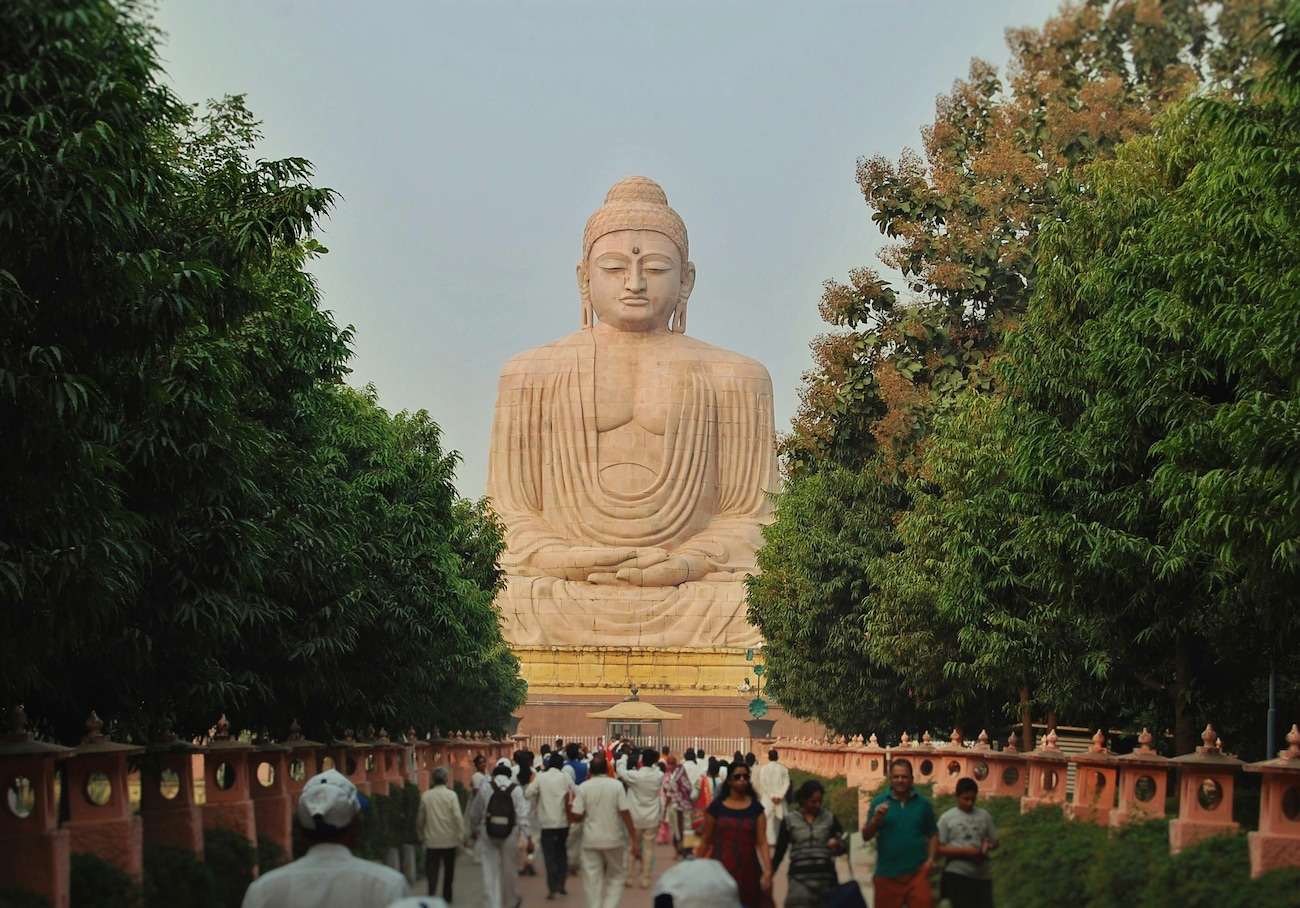

Bodh Gaya is one of the most famous spiritual sites in India. This is the place where Gautam Buddha attained enlightenment. Since then, it has been a sacred place for Buddhists from around the world. There are many temples in Bodh Gaya, where you can visit to witness the divine energy. The Mahabodhi Temple, Dungeshwari Temple, Indosan Nippon Japanese Temple, Chinese Temple, and Vishnupad Temple are some of the most famous Bodh Gaya mandirs. The mystical spots are great for performing meditation and holy rituals.
Bodh Gaya is a sacred destination in Bihar, India. It is revered for its rich spiritual heritage and numerous ancient temples. This is the land where Prince Siddharth Gautam attained enlightenment under the Bodhi Tree, and today the world knows him as Gautam Buddha. He is the founder of Buddhism, and his core teachings are practised by Buddhists around the world. Upon visiting Bodh Gaya, you can explore the sacred place where Gautama Buddha attained enlightenment, along with many other temples that make the destination even more remarkable. It is the ideal destination for meditation and introspection for spiritual seekers. Here are some of the temples you must visit in Bodh Gaya for a mystical experience:
Famous Temples in Bodh Gaya
- Mahabodhi Temple
- Dungeshwari Cave Temples
- Indosan Nippon Japanese Temple
- Chinese Temple
- Vishnupad Temple
Mahabodhi Temple
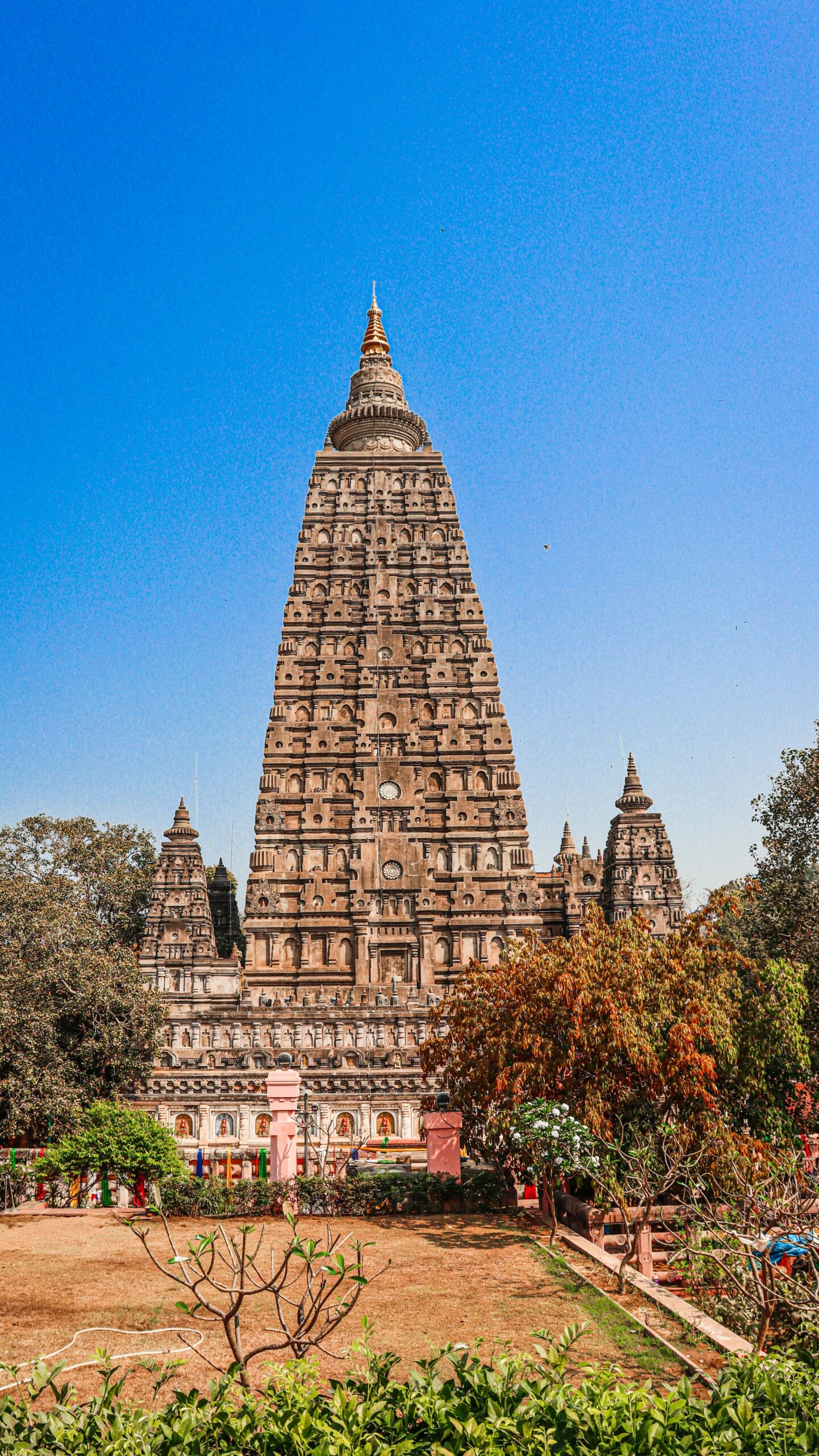
The Mahabodhi Temple in Bodh Gaya, Bihar is a sacred site and one of the earliest Buddhist temples in the world. It is known as the Great Awakening Temple because Lord Gautama Buddha attained enlightenment here. The present-day temple was built during the Gupta period in the 5th or 6th century AD. It is also a UNESCO World Heritage Site because of its historical significance. The temple complex comprises a 50-metre-tall temple, the Vajrasana, and the sacred Bodhi Tree.
Why you should visit Mahabodhi Temple?
Visit the Mahabodhi Temple to experience the sacred energy, meditate, and learn about the teachings of Gautam Buddha. The temple’s peaceful atmosphere, ancient architecture, and spiritual significance make it a must-visit place in Bodh Gaya.
- Temple Timings: The temple is open all days of the week.
- 05:00 AM: Opening of the Mahabodhi Mahavihara (Main shrine)
- 05:30 AM to 06:00 AM: Sutta chanting and meditation
- 06:00 PM to 06:30 PM: Sutta chanting (Mahayana tradition)
- 06:30 PM to 07:00 PM: Sutta chanting (Pali)
- 09:00 PM: Closing of the Mahabodhi Mahavihara
- Temple Attractions: Rajayatna tree, Vajrasana, Animesh Lochana Chaitya, and Ajpala Nigrodha Tree
Dungeshwari Cave Temple
Dungeshwari Cave Temple is yet another ancient temple in Bodh Gaya, Bihar. It has an interesting story, as it is believed that Lord Buddha spent several years meditating in these caves, which are also known as the Mahakala caves. There are many temples inside these caves, visited by countless tourists and devotees of Lord Buddha. The place has mystical energy that can be felt upon visiting. There are Hindu and Buddhist shrines in these temples. Located around 12-15 km from Gaya, this sacred site is often included in popular Bodh Gaya tour packages.
Why You Should Visit Dungeshwari Cave Temples?
Visit Dungeshwari Cave Temples to explore the secluded caves that have witnessed the journey of Gautama Buddha to attain enlightenment. These caves are surrounded by hills that offer a unique blend of history, devotion, and natural serenity.
- Location: Dungeshwari Cave Temples, Dungeshwari Hills, Gaya, Bihar, 824231
- Cultural Etiquette: Wear modest clothes, remove footwear before entering the temples, and maintain silence.
- How to Reach: Auto-rickshaws and private vehicles are available from Gaya and Bodh Gaya to visit the place.
- Timings: 10: AM to 5 PM
- Key Attractions: Scenic hilltop trekking, the fasting Buddha statue, and Sujata Sthan
Indosan Nippon Japanese Temple
The Indosan Nippon Japanese Temple is a famous Bodh Gaya Buddhist temple. Built in 1963, it imbues the essence of marvellous Japanese architecture and spiritual energy. It is interesting to know that the temple was first built with the support of the Japanese community. This is why it has a strong influence of minimalist Japanese architecture and is made of a wooden structure. The elegant interior design takes inspiration from Zen philosophy which encourages meditation and contemplation. There are Japanese-style paintings that showcase the extraordinary life of Lord Buddha.
Why You Should Visit Indosan Japanese Temple?
You should visit Indosan Nippon Japanese Temple to admire its beautiful traditional Japanese architecture and peaceful meditation halls, which are inspired by Buddhist culture. This temple in Bodh Gaya has detailed artwork that you can admire for hours.
- Location: Near the Giant Buddha Statue, Buddha Road, Mastipur, Bodh Gaya, Bihar, 824231
- Cultural Etiquette: Maintain silence in the temple and wear modest clothing.
- How to Reach: Auto-rickshaws and private vehicles are available from Bodh Gaya to visit the temple.
- Timings: 06:00 AM to 12:00 PM and 02:00 PM to 05:00 PM
- Key Attractions: Manicured Garden, beautiful paintings, Stupa, and the traditional bell
Chinese Temple
The Chinese Temple is a well-known temple in Bodh Gaya that beautifully combines the traditions of Chinese architecture with Buddhist traditions. If you are looking for a Buddhist temple in Bodh Gaya, then this is a must-visit spiritual site. The temple’s architecture features ornate pagoda-style roofs, red and gold-coloured decorations, and intricate details that will make you pause and admire its beauty. It houses a large statue of Lord Gautama Buddha along with murals depicting moments from his life. The temple stands as a symbol of cultural harmony and peace.
Why You Should Visit the Chinese Temple?
You should visit the Chinese Temple to experience a unique blend of Chinese artistry and Buddhist spirituality. Its colourful interiors and peaceful ambience make it a memorable stop.
- Location: Domuhan-Bodhgaya Road, Mahabodhi Temple Area, Bodh Gaya, Bihar 824231
- Cultural Etiquette: Be respectful, wear modest clothes, maintain silence, and do not click photographs in the main hall.
- How to Reach: Local transport options, like auto rickshaws and cabs are available. You need to
- Timing: 07:00 AM to 06:00 PM
- Key Attractions: Chinese architecture, Lord Buddha statue, and murals with intricate details.
Vishnupad Temple
Vishnupad Temple is one of the most famous temples in Bodh Gaya. It has a deep religious significance for Hindu pilgrims. According to folklore, Lord Vishnu’s foot is imprinted on a rock at this spot. Situated on the banks of the Falgu River, this temple is believed to be 1,000 years old. The current temple structure was built in the 18th century, which features beautifully carved pillars and a sanctum. This temple is frequented by numerous pilgrims every year to perform the pind daan ritual for the departed loved ones.
Why You Should Visit the Vishnupad Temple?
Vishnupad Temple is a spiritual place with ancient architecture and sacred traditions. Its serene setting along the Falgu River makes it a meaningful place for prayer, reflection, and experiencing the rich cultural legacy of Gaya.
- Location: Vishnupad Temple Road, Chand Chaura, Gaya, Bihar – 823001
- Cultural Etiquette: Dress modestly, remove footwear before entering the temple, maintain silence in prayer areas, and respect ongoing rituals and religious customs.
- How to Reach: Located at a distance of 3 km from Gaya Junction Railway Station, it can be reached by auto-rickshaw, taxi, or local transport. The nearest airport is Gaya Airport, approximately 10 km away.
- Timing:
- Darshan Timing: 04:00 AM to 10:00 PM
- Aarti Timing: 07:00 AM (Morning aarti) and 06:30 PM (Evening aarti)
- Key Attractions: The sacred footprint of Lord Vishnu engraved in stone, intricate temple architecture, and the Falgu River ghats
With many temples to visit and things to do in Bodh Gaya, it offers a deeply spiritual travel experience. This is a fascinating place to visit to witness multicultural communities, including Buddhists and Hindus co-existing in harmony. Every temple in Bodh Gaya has unique architecture, rituals, and calming energy. Before visiting, you must confirm the Bodh Gaya temple timings for proper darshan.
FAQs
Q1. What are the top things to do in Bodh Gaya?
There are many things to do in Bodh Gaya. You can visit the sacred Mahabodhi Temple, meditate under the Bodhi Tree, explore monasteries, and admire the towering Great Buddha Statue. For a spiritual experience, you can attend prayer sessions, interact with monks, and attend aarti at temples.
Q2. What is the best time to visit Bodh Gaya?
Bodh Gaya is a year-round destination. However, the ideal time to visit is from October to March. During this time, the weather is cool and pleasant for sightseeing and outdoor activities. You can also witness several Buddhist festivals and ceremonies in these months to experience the vibrant spiritual and cultural traditions of the place.
Q3. What to do in Bodh Gaya for a day?
You can pack a lot in a day in Bodh Gaya. Spend the morning exploring the Mahabodhi Temple Complex, which is one of the most famous temples in Bodh Gaya. Visit the Great Buddha Statue and nearby monasteries during the afternoon. At the end of the day, go for a peaceful walk in the town and try local food, such as litti chokha, dahi gur chura, and sattu sarbat.
Q4. What are some hidden places to visit in and around Bodh Gaya?
There are many places in and around Bodh Gaya that you can cover during your trip. You can explore Dungeshwari Cave Temples, where Buddha practiced austerities, and visit the tranquil Sujata Stupa. Also, there are some lesser-known village trails and quiet riverbank spots near Bodh Gaya, which are great places to visit if you are a nature lover and admire rural charm.
Q5. What is the best way to explore Bodh Gaya?
Walking is the best way to explore Bodh Gaya, as many attractions are located close to one another. You can hire an auto-rickshaw or private car for sites farther away. Veena World’s guided tours can also enhance your experience by providing valuable insights into the town’s rich Buddhist history and heritage.






 83 videos











Post your Comment
Please let us know your thoughts on this story by leaving a comment.