


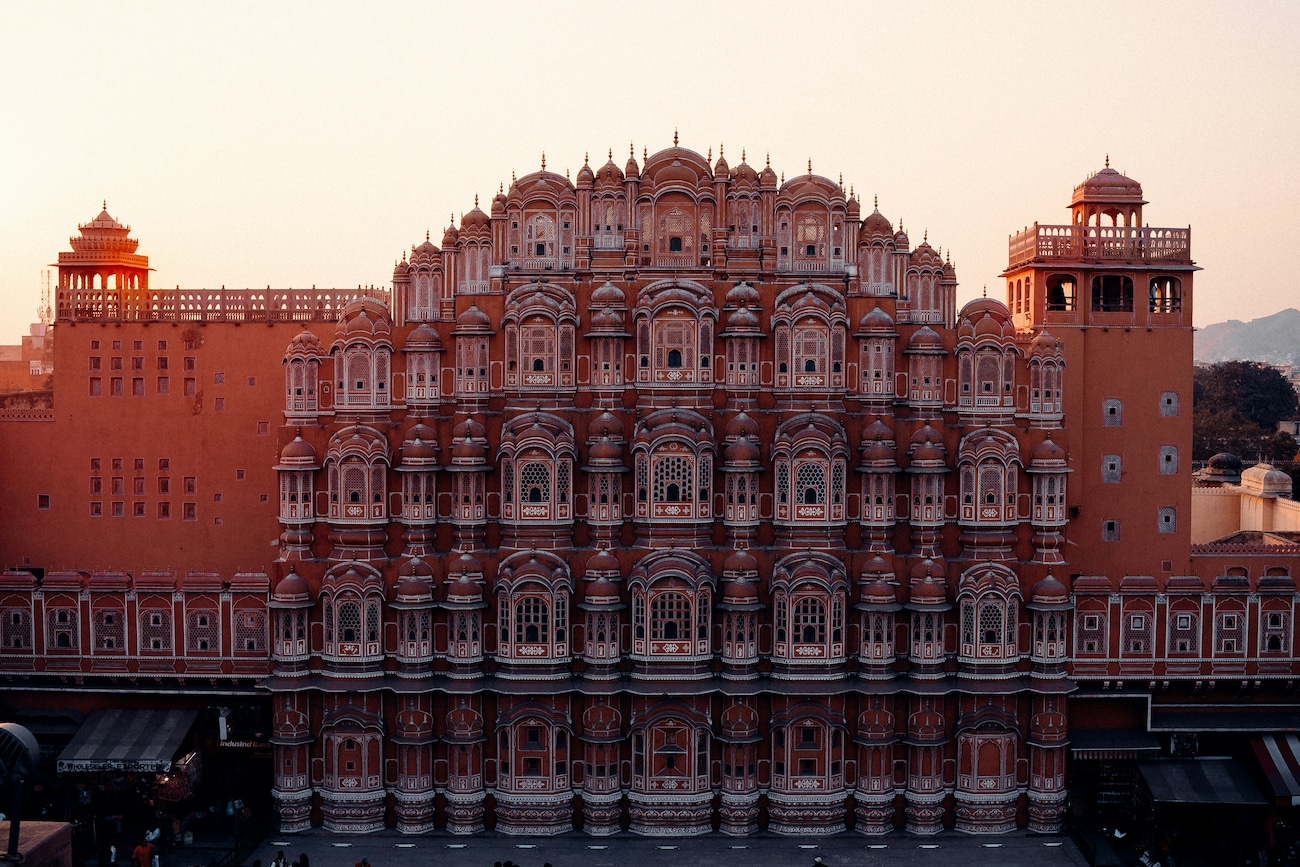

सोने री धरती अठै, चांदी रो असमान।
रंग रंगीलो रस भरियो, ओ म्हारो राजस्थान।
Where the land shines golden and the sky, a tranquil silver,
This is my Rajasthan, full of colours and stories that every corner whispers
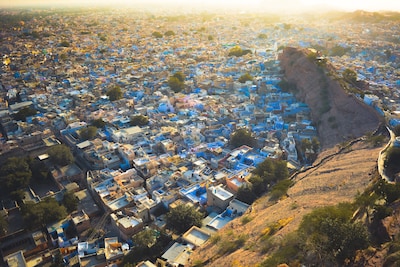
Rajasthan is the perfect example of India’s grandeur and royalty, dating back several centuries. Also known as the “Land of Kings”, this Rajputana state is well-known for its hillsides dotted with majestic fortresses surrounded by man-made jheels, the vast desert terrain, traditional craft and cuisine that make it one of the most frequented tourist destinations in India.
If you are planning your trip to this “Land of Kings” and wondering about the best time to visit Rajasthan, you are not alone.
The best month to visit Rajasthan will mostly depend on what you plan to do and explore.
Given the state’s location, far from inland, but in the shadow of the Aravali mountain range, Rajasthan experiences a sub-humid and dry climate with scattered rainfall. While the summers are rather hot, winters can be equally harsh, especially in deserted regions. Therefore, when booking a tour to Rajasthan, timing matters significantly.
Whether you are planning a short getaway with limited hotspots or a full-fledged tour, we will help you travel backed with the knowledge of the best season for a Rajasthan tour and occasional tidbits.
How to Reach
Rajasthan is well-connected and easily accessible through several of India’s major cities. And no, it does not involve dramatic camel rides, unless you want them for fun.
By Air
Rajasthan has several airports that are operational for both domestic and international flights. Major airports include Jaipur International Airport in Jaipur, the capital city, Jodhpur Airport, Maharana Pratap Airport in Udaipur and Jaisalmer Airport. Flights from Delhi, Mumbai, Bangalore and Hyderabad bring the most traffic to the state.
By Train
Rajasthan provides excellent rail connectivity to almost all major cities and stations across the country. From budget express trains to luxury trains like “Palace on Wheels”, travelling between cities becomes more convenient.
By Road
Cities in Rajasthan are well connected to other states through national highways and expressways. The four-lane expressways like NH8 pass through Jaipur, Ajmer, Beawar and Udaipur. Buses and private taxis are also easily available between cities.
Our expert-curated Rajasthan tour packages take the hassle out of planning. We make your tour easier with pre-planned itineraries, an expert group tour manager and seamless arrangements. All you need to do is book your tour, sit back and relax.
Best Seasons to Visit Rajasthan
Rajasthan in Winters (October to February)
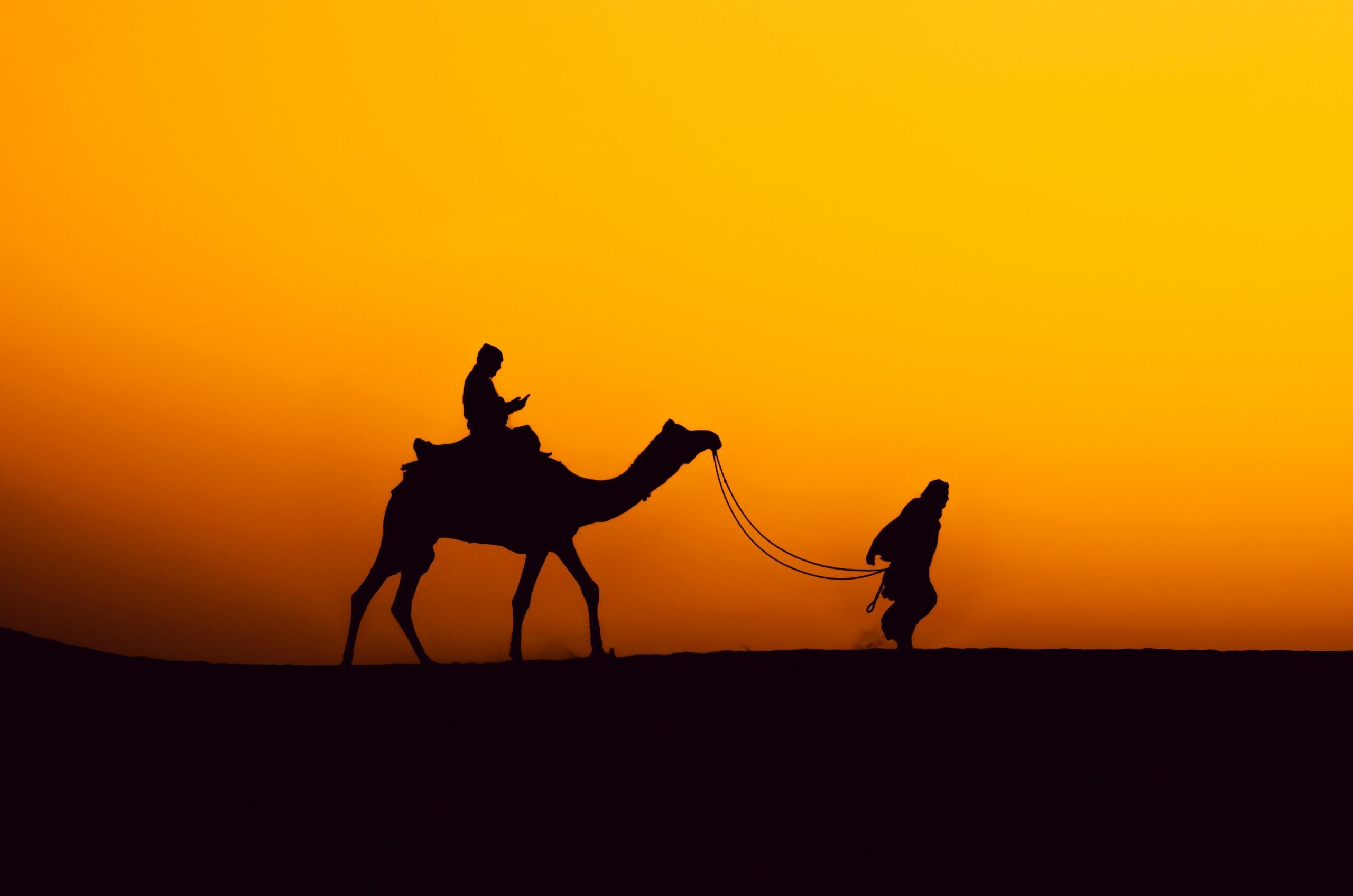
Winter is hands-down the best season to visit Rajasthan. This is when the monsoons have left a subtle chill to the atmosphere, and lets travellers explore the state without the discomfort of the sweltering summers.
Weather Conditions
As the best season for a Rajasthan tour, the temperatures in winter can range anywhere between 8 degrees and 28 degrees Celsius, depending on the city. However, nights in deserts like Jaisalmer and Bikaner and cities like Bikaner, Pilani, Churu, and Sikar can drop even further. If you do not mind the chill, winter is a great time for camping beneath the stars and a desert safari in Jaisalmer.
What to Expect?
This is usually the time tourists from across the country and globe flock here to explore the traditional culture of the state. Despite the cold, Rajasthan rarely loses its vibrancy. The cities are perfect for sightseeing, fort-hopping, temple trails and shopping. The seasons bring in cool breezes, warm sunshine and peak tourist seasons, so you can expect bustling streets, lively festivities, especially during Diwali and the subsequent festivals in December and January.
Places to Visit
Winter is the best time to hit the major hotspots in Rajasthan. Among the best places to see in Rajasthan, the following should top your list:
- Jaipur: Amber Fort, Hawa Mahal, City Palace, Albert Hall, City Palace, Jantar Mantar, Local Market for shopping, Nahargarh Fort, Albert Hall Museum, Jaigargh Fort
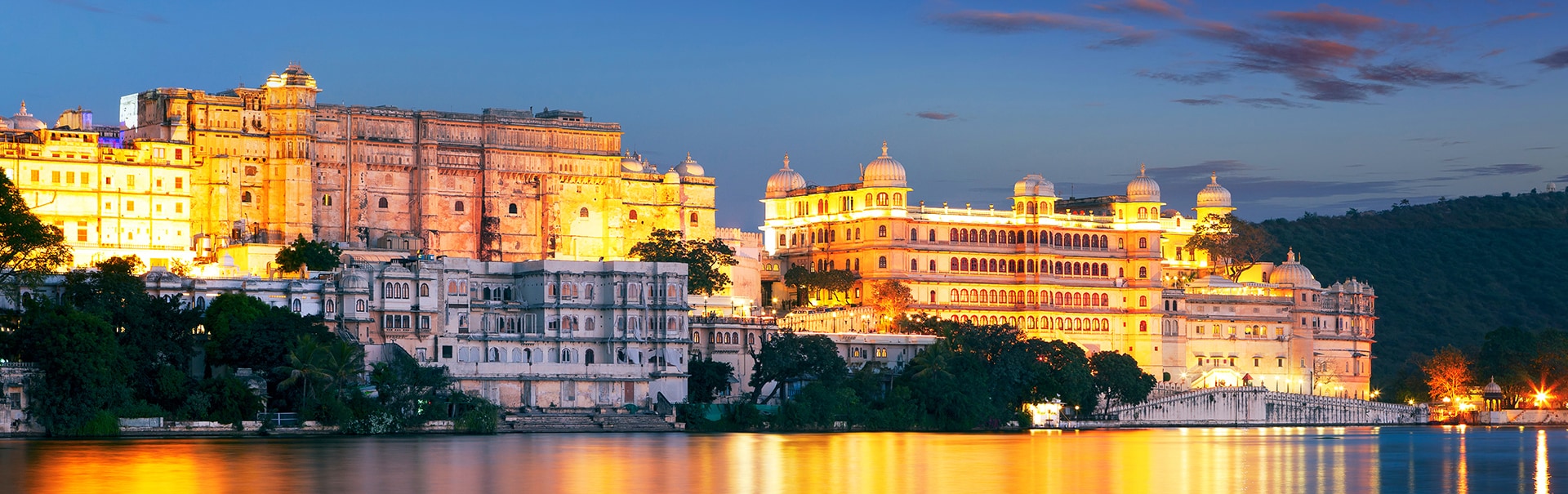
- Udaipur: City Palace, Lake Pichola, Sajjangarh Monsoon Palace, Fateh Sagar Lake, Lake Pichola
- Jaisalmer: Sam Sand Dunes, Jaisalmer Fort, Gadisar Lake
- Jodhpur: Mehrangarh Fort, Umaid Bhawan Palace, Sardar Market
- Pushkar: Brahma Temple, Savitri Mata Temple, Pushkar Lake, the ghats, and café culture
- Mount Abu: Nakki Lake, Dilwara Temple, Guru Shikhar, Trevor’s Tank, Toad Rock
- Bikaner: Junagarh Fort, Rampuria Haveli, and Laxmi Niwas Palace, Karni Mata Temple
If you want an all-round trip that also includes some of the best places to visit near Rajasthan, Agra, Neemrana and Delhi are well connected and make great short extensions.
Rajasthan in Summers (March To May)
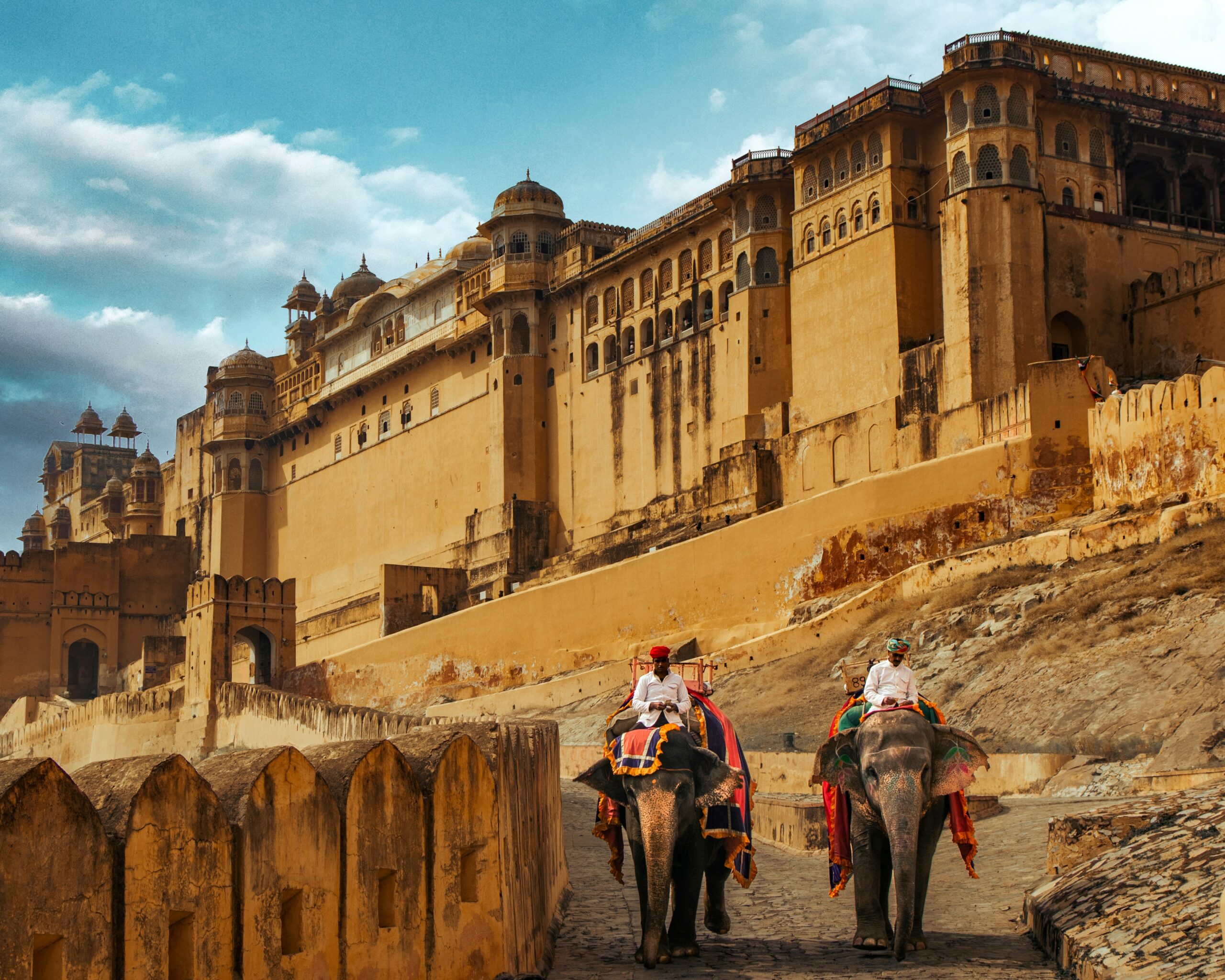
While summer is not considered the best time to visit Rajasthan, it is still considered a good time if you want to avoid crowds and have ample time to explore as the days get longer.
Weather Conditions
Summers in Rajasthan are no joke. While the temperatures in the cities are relatively mild, deserted areas like Jaisalmer, Barmer and Jodhpur are some of the hottest places to be in. Temperatures can touch 45 degrees Celsius during the day, while evenings are relatively cooler.
What to Expect?
Summer is not the best tourist season in Rajasthan if you want pleasant weather. But it is the best time if you’re looking for budget stays, fewer crowds and better deals. Mornings and evenings are perfect for palace and forts (indoors), while the evenings are great for shopping in the local bazaars at a slower pace. A quick advice, stay hydrated, wear light cotton clothes and dab on a dollop of sunscreen when you go outside.
Places to Visit in Summer
- Mount Abu: The only hill station in the state that welcomes you with cool weather and scenic beauty.
- Udaipur: Evening boat rides for a cooling respite, City Palace and Sajjangarh Monsoon Palace for sunset views
- Kumbhalgarh: Perfect for forests and fort views, visit Neelkanth Mahadev Temple, Kumbhalgarh Wildlife Sanctuary and Jain Temples in the city’s vicinity
- Ranakpur: The marble Jain temple stays cool inside
- Alwar–Sariska belt and Rantambore National Park for wildlife safaris
- Jaipur: Jal Mahal, Shopping at local markets like Bapu Bazaar, Chandpole Bazaar, Johari Bazaar, Tripolia Bazaar
Rajasthan in Monsoon (June to September)
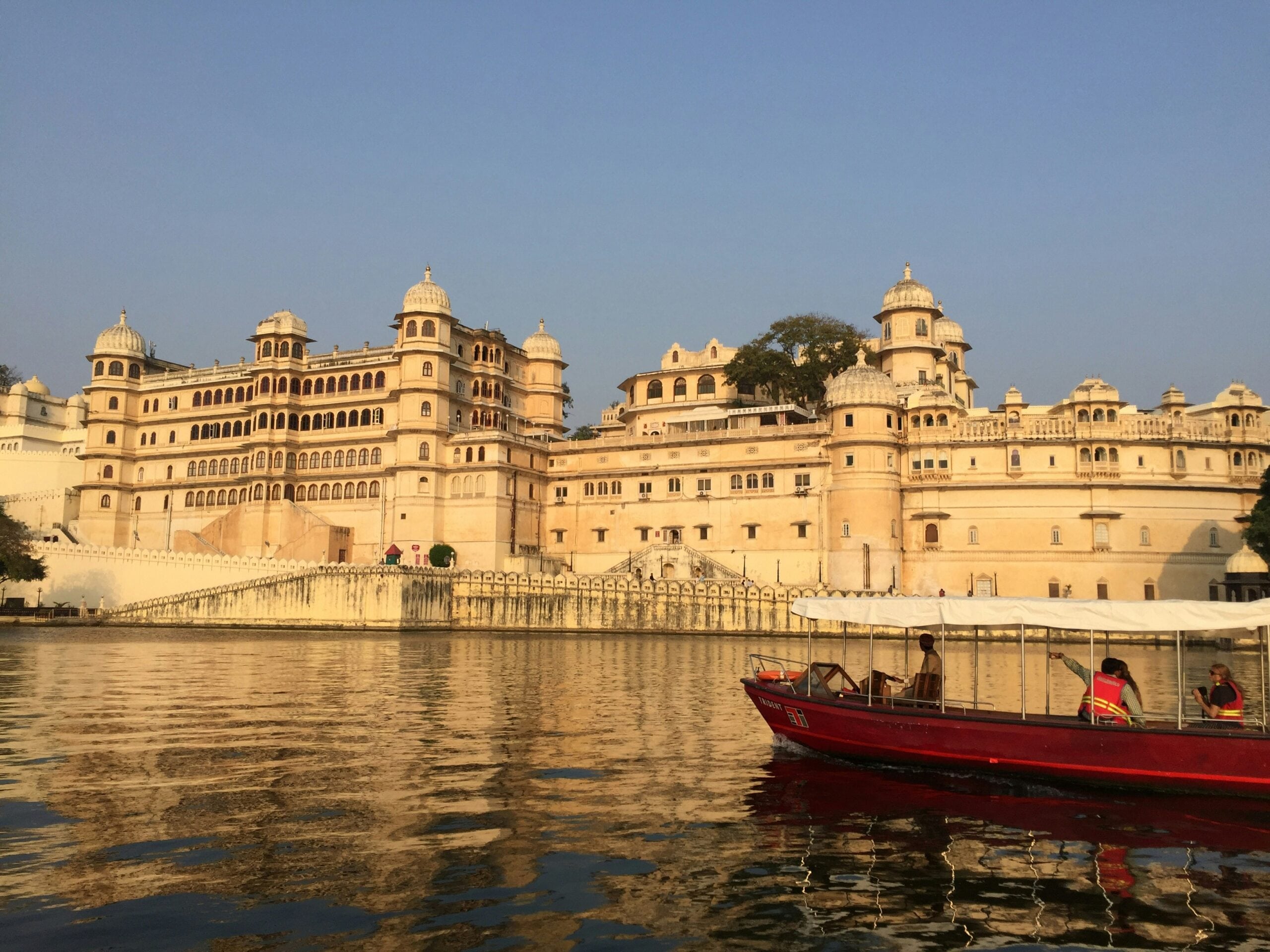
Monsoon brings a whole different charm to the state, with green hills, silver skies, clean air and occasional spotting for peacocks dancing, especially when seen from Nahargarh Fort, Jaigarh Fort or Jhalana Forest Reserve.
Weather Conditions
While Rajasthan receives moderate rainfall, the humidity may bother some people. Temperatures can drop to 25 degrees, and showers are usually short but refreshing.
What to Expect?
Monsoon in Rajasthan is both romantic and underrated. For nature lovers, the landscapes transform into lush green vistas and the lakes gush with glittering water. This is a fantastic time for photography, long drives, and to visit lesser-known Rajasthan tourist places. Monsoon is also a shoulder season, offering a balance between budget and comfort.
Places to Visit in Monsoon
- Jaipur: Sisodia Rani Garden, Jal Mahal, Chokhi Dhani Village
- Udaipur: City Palace, Sajjangarh Monsoon Palace
- Bundi: Famous for waterfalls, forts and green trails
- Mount Abu: Nakki Lake, Dilwara Temple, Sunset Point, Dhrudhiya Waterfalls
Quick Tips
- Since Rajasthan is a large area, cities and tourist hotspots are a good distance away from each other. To better enjoy your trip, it is recommended to avoid overpacking your schedule and take the sights as they come.
- Book your stays early during festivals and winter.
- Pack for the weather. The region is generally arid or semi-arid and remains hot a good chunk of the year, with temperatures hitting above 40 degrees Celsius during summer, especially in May and June in several regions, including Jodhpur, Jaisalmer and Bikaner. While the heat is intense, the evenings are somewhat cooler than the daytime high, especially in the deserted regions.
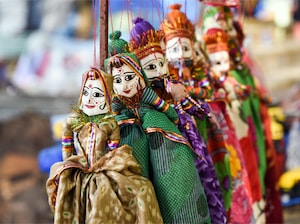
- Buy souvenirs like block prints, lac bangles, blue pottery & leather juttis.
- When shopping, remember to haggle diplomatically and carry cash and small notes of local currency
- Don’t miss local food: dal baati churma, ghewar, gatte ki sabji, kersangri, and mirchi vada.
- Stay hydrated during the summer months.
There is a reason why Rajasthan tourism tops every traveller’s bucket list. Whether you visit during winter, summer or monsoon, the state will find a way to leave you spellbound.
FAQs
Q1. Is winter actually the best time to visit the Thar Desert, or is it too cold at night?
Winters (Nov-Feb) offer pleasant daytime safaris, but nights in Jaisalmer and Bikaner can drop near freezing. Many travellers don’t expect such cold in a desert, so packing thermals for overnight camps becomes essential despite the warm days.
Q2. Does the monsoon season make Rajasthan’s forts and landscapes more enjoyable?
Yes, July to September transforms Rajasthan surprisingly well. Aravalli regions like Udaipur, Kumbhalgarh, and Mount Abu turn lush, offering misty palaces, greener trekking routes, and fewer crowds without the harsh summer glare.
Q3. Are summer festivals in Rajasthan worth braving the heat?
Events like the Mount Abu Summer Festival and Gangaur celebrations happen during peak heat (April-June), but evenings are vibrant and culturally rich. Hydration and timing your outings around early mornings and nights make them enjoyable despite the scorching afternoons.
Q4. Is it safe to explore Rajasthan’s wildlife parks during the hotter months?
Oddly, yes. Ranthambore and Sariska offer higher chances of tiger sightings in summer when animals gather around water sources. Safaris start at cooler hours, and vehicles provide enough airflow to make the heat manageable.
Q5. Does fog affect travel in Rajasthan during winter?
Northern regions, especially Jaipur and Bharatpur, experience early-morning fog from December to January. While it rarely disrupts sightseeing, it can delay flights and trains. Planning midday activities helps avoid visibility-related slowdowns.





 84 videos











Post your Comment
Please let us know your thoughts on this story by leaving a comment.