


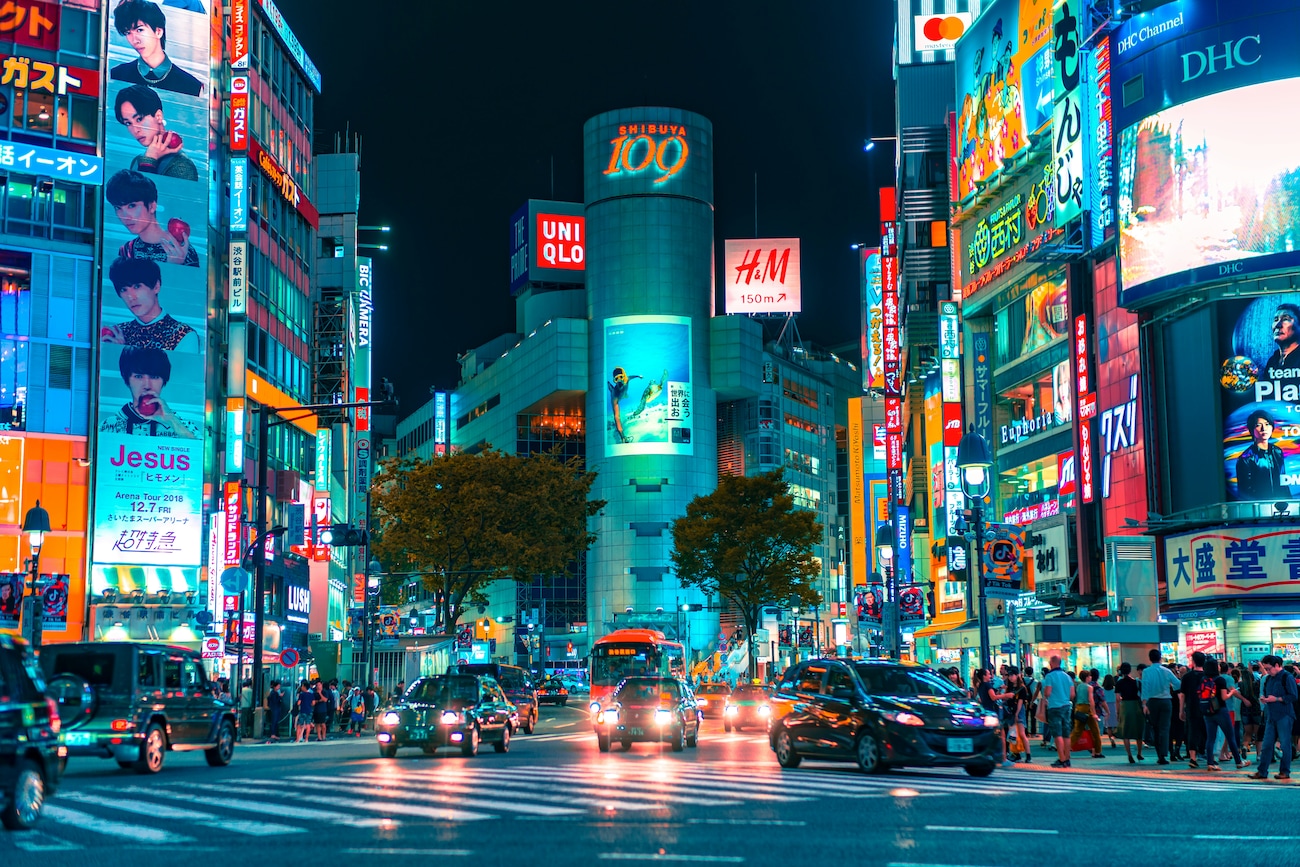

Japan has a way of making every season look like the right one. Spring brings the cherry blossoms everyone talks about, but then autumn arrives with red maple leaves, winter brings snow and hot springs, and summer has its own festival mood. This guide keeps the confusion simple, so you can choose when to go and what kind of holiday in Japan to book.
Japan has been quietly taking over travel wishlists. Lately, it feels like every few scrolls brings you back to the country in some way. One day, it is cherry blossoms floating through a Tokyo park; the next, it is Mount Fuji standing perfectly behind a lake; then comes a Kyoto lane glowing in autumn colours, and suddenly you are doing the one thing every traveller knows too well: checking flight dates “just to see”. But before you get carried away by the idea of sushi breakfasts, bullet trains, temple walks, shopping streets, and matcha everything, there is one question worth answering first: What is the best time to visit Japan?
Japan is a destination for every season. Spring brings the soft pink charm everyone dreams of, autumn turns the country into a red-and-gold postcard, winter adds snow, hot springs, and quiet beauty, while summer brings festivals, fireworks, and a lively local buzz. So, before you pick a date and start imagining your airport outfit, let’s find the season that fits the Japan tour package you would love to book.
Best Time to Visit Japan
- Spring in Japan: March to May
- Summer in Japan: June to August
- Autumn in Japan: September to November
- Winter in Japan: December to February
- Basic Travel Information for Indian Tourists
Spring in Japan: March to May
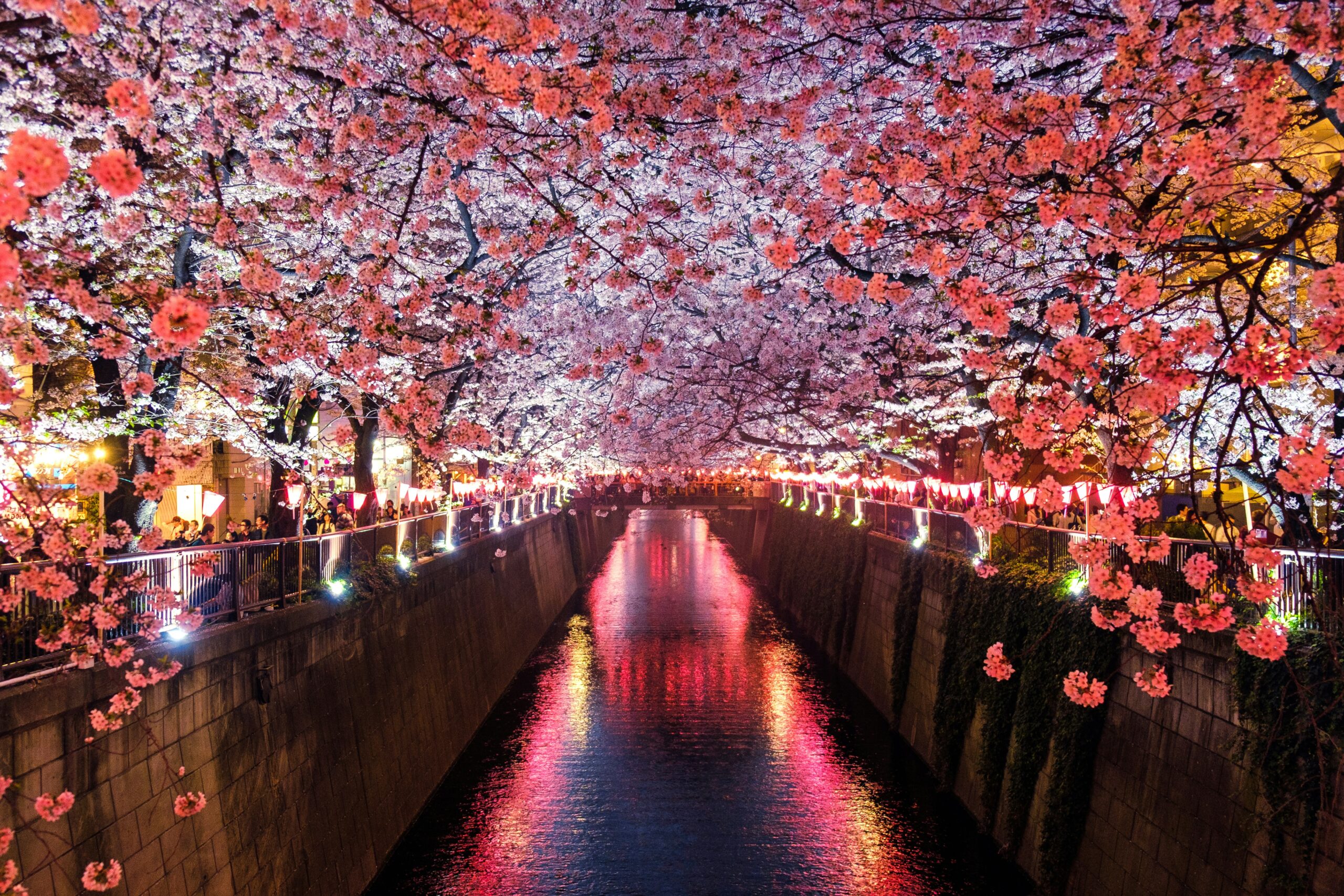
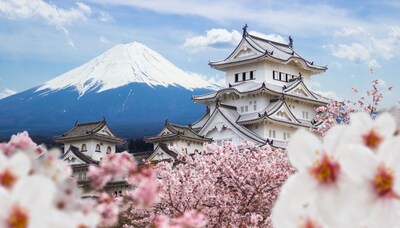
If spring is the season you choose, your Japan tourism package will revolve around one thing: sakura. Cherry blossoms are not just pretty flowers here; they are a full seasonal experience. Parks get busy, riversides turn pink, cafes launch limited-edition treats, and even a simple evening walk starts feeling special. The best time to go to Japan for cherry blossoms is usually from late March to early April in popular cities like Tokyo, Kyoto, and Osaka. The exact dates can shift slightly every year, so it is always wise to keep a little flexibility in your itinerary.
Tokyo
Tokyo is a great place to begin because it gives you cherry blossoms without slowing down the city experience. You can spend the morning at Shinjuku Gyoen or Ueno Park, walk along the Meguro River when the blossoms are in bloom, and still have the evening free for Shibuya, Harajuku, or Asakusa.
How to reach?
Most sakura spots in Tokyo are easy to reach by metro or train, usually within 20-40 minutes, depending on where you stay. Keep half a day for a relaxed cherry blossom outing, or a full day if you want to pair it with nearby attractions like Tokyo Skytree, Meiji Shrine, or Shibuya Crossing.
Kyoto
Kyoto is where spring feels slower and more traditional. Cherry blossoms around Philosopher’s Path, Maruyama Park, Kiyomizu-dera, and Arashiyama add a soft charm to the city’s temples, wooden lanes, and riverside walks. If Tokyo gives you spring with city energy, Kyoto gives you spring with atmosphere. You can reach
How to reach?
You can reach Kyoto from Tokyo by Shinkansen in around 2.5-3 hours, making it easy to include in most Japan itineraries. Many walking areas are free, while temples and gardens usually have entry tickets and set timings. Keep 2 days for Kyoto in spring if you want to enjoy it without rushing from one photo spot to another.
Osaka
Osaka is ideal if you want cherry blossoms with a lively food-and-city vibe. Osaka Castle Park is one of the easiest spring spots to enjoy, especially if you want blossoms, history, and open spaces in one place. Kema Sakuranomiya Park and the Okawa River area are also lovely when the trees are in bloom.
How to reach?
Osaka’s spring spots are well connected by train and metro, and many outdoor areas are free to visit. You can keep half a day for Osaka Castle Park and then head to Dotonbori or Shinsaibashi later for food, shopping, and the city’s famous evening buzz.
Summer in Japan: June to August
Summer in Japan is not shy. It is warm, colourful, noisy in the best way, and full of things happening after the sun goes down. The cities can get hot and humid, yes, but this is also the season when Japan moves outdoors with festivals, fireworks, flower fields, mountain trails, and beach holidays. So, summer may not be the first answer that comes up when people talk about the best season to visit Japan, but it has its own crowd. If you like holidays that feel a little more local, a little more active, and not just built around the usual sightseeing route, summer gives you plenty to work with.
Hokkaido
Hokkaido feels like Japan took a deep breath and made more space. In summer, while cities in the south are dealing with heat, this northern island gives you cooler weather, open roads, farms, flower fields, and landscapes that feel easy on the eyes. Furano and Biei are the best places to go to in Japan for first-timers in the summer, as the lavender starts blooming during this time. Farm Tomita is the whole route: rolling fields, quiet roads, soft hills, and photo stops that do not feel forced.
How to reach?
Fly to New Chitose Airport near Sapporo or Asahikawa Airport, depending on your route. From there, explore Furano and Biei by train, bus, or private vehicle, and keep 2-3 days if you want to enjoy the region properly.
Mount Fuji
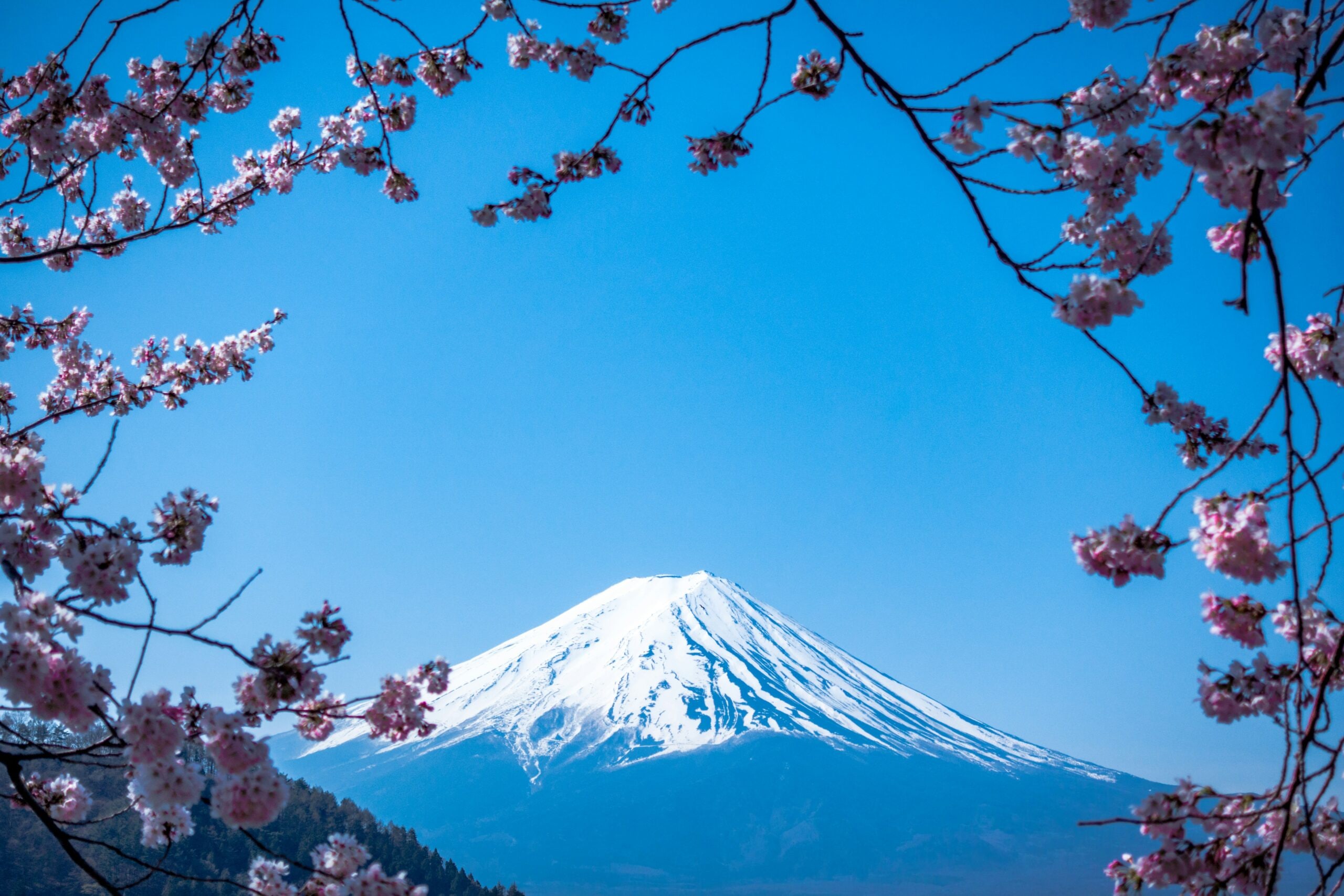
Summer is when Mount Fuji is no longer just a view in the distance. This is the main season when travellers can actually climb it, usually from July to early September. For some, that is the whole reason to plan Japan in the summer. But you do not have to climb Mount Fuji to enjoy the area. The Fuji Five Lakes region, especially Lake Kawaguciko, gives you a slower mountain-side break with lake views, ropeways, cruises, museums, and open-air scenery.
How to reach?
Mount Fuji and Lake Kawaguchiko can be reached from Tokyo by bus or train in around 2-2.5 hours. The lake area is open and free to explore, while nearby attractions like ropeways, cruises, museums, and theme parks have separate timings and ticket prices. Plan one full day from Tokyo during this best time to visit Japan, or stay overnight if you want the trip to feel less rushed.
Okinawa
Okinawa is Japan, but with an island mood. The pace is slower, the water is bluer, and the holiday feels less like a city-and-temple itinerary and more like a proper summer escape. This is a good choice if you want beaches, coastal drives, marine activities, local markets, and a side of Japan that feels different from the usual Tokyo-Kyoto-Osaka plan. It works especially well for travellers who have already seen the classic places to visit in Japan and now want something more relaxed.
How to reach?
You can fly to Naha Airport in Okinawa from major cities like Tokyo, Osaka, or Fukuoka. Once there, local buses, taxis, rental cars, and guided tours are common ways to explore the island. Keep 2-3 days if you want to enjoy beaches, coastal viewpoints, local markets, and island attractions at a comfortable pace.
Autumn in Japan: September to November
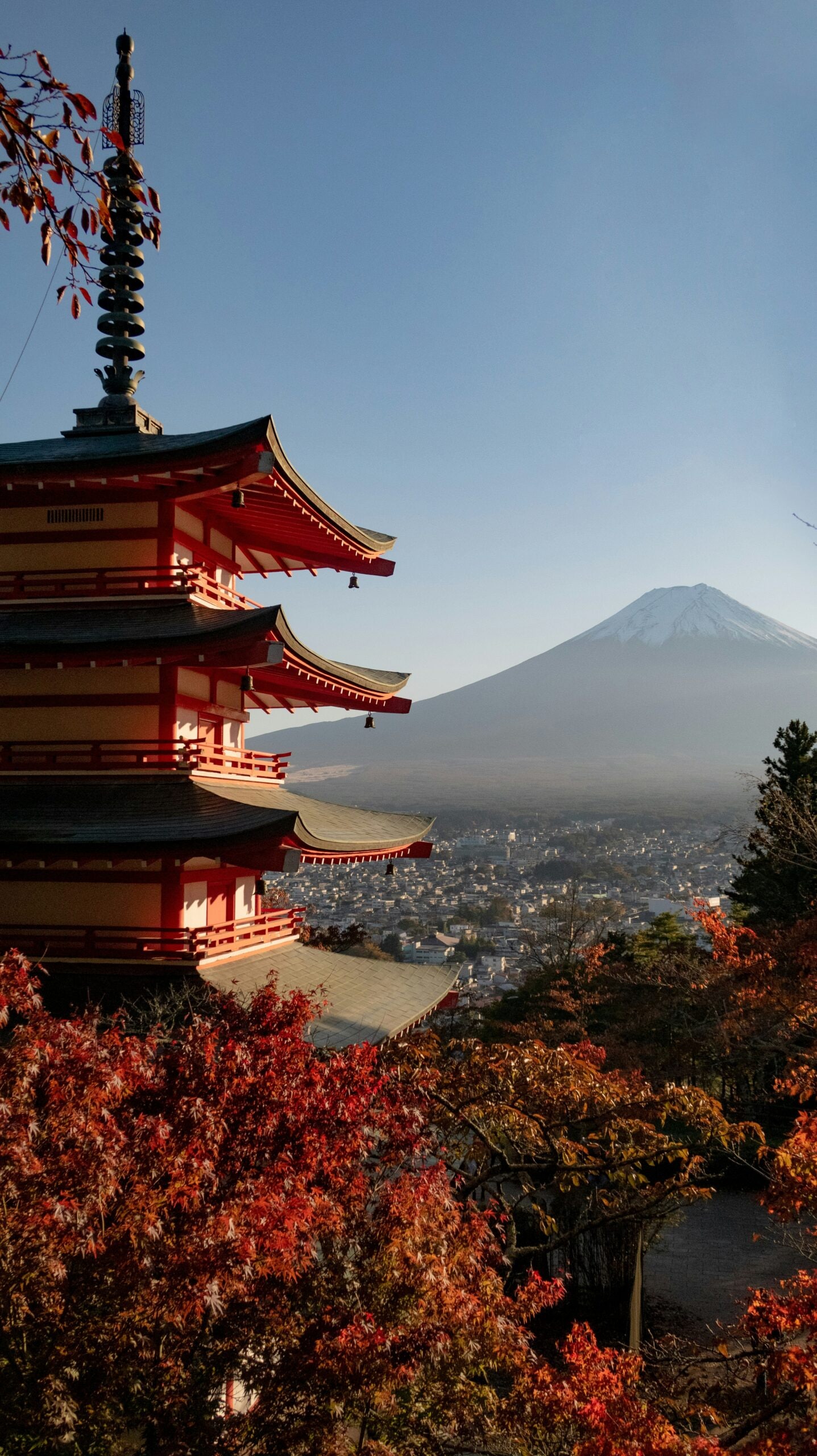
Autumn in Japan has a slower kind of beauty. The weather starts feeling easier, the skies become clearer, and the country moves from summer green to shades of red, orange, and gold. It is the kind of season where even a train ride or a simple garden walk starts feeling scenic. For many travellers, this is the best season to visit Japan, especially if they want comfortable sightseeing without planning everything around cherry blossom dates. September can still feel warm in some places, but October and November are usually lovely for nature trails, mountain towns, lakesides, gardens, and open-air sightseeing.
Nikko
Nikko is one of the best autumn escapes from Tokyo. It has shrines, waterfalls, forest roads, mountain views, and that slightly dramatic feeling that autumn does well. The colours here usually arrive earlier than in many city areas, which makes it a great choice if you are travelling in October.
How to reach?
Nikko can be reached from Tokyo by train in around 2-2.5 hours, depending on the route. Local buses connect the main sightseeing spots once you arrive. Keep one full day if you are visiting from Tokyo, or stay overnight if you want to include Lake Chuzenji and Kegon Falls at a slower pace.
Hakone
Hakone is a good pick if you want autumn views without going too far from Tokyo. It gives you a little bit of everything: Mount Fuji views on clear days, lake scenery, hot springs, museums, ropeways, and mountain roads that look prettier when the leaves start changing.
How to reach:
Hakone can be reached from Tokyo in around 1.5-2 hours by train, depending on the route. Local transport includes buses, ropeways, cable cars, and sightseeing cruises. Keep one full day from Tokyo, though an overnight stay works better if you want an onsen experience.
Kamikochi
Kamikochi is for travellers who want to feel untouched and outdoorsy in autumn. Located in the Japanese Alps, it is known for clear rivers, wooden bridges, mountain backdrops, and walking trails that become beautiful during the fall season.
How to reach?
Kamikochi is usually accessed by bus from Matsumoto, Takayama, or Hirayu Onsen, as private cars are restricted in the area. Travel time depends on your starting point, but it often takes around 1.5-2 hours from nearby gateway towns.
Winter in Japan: December to February
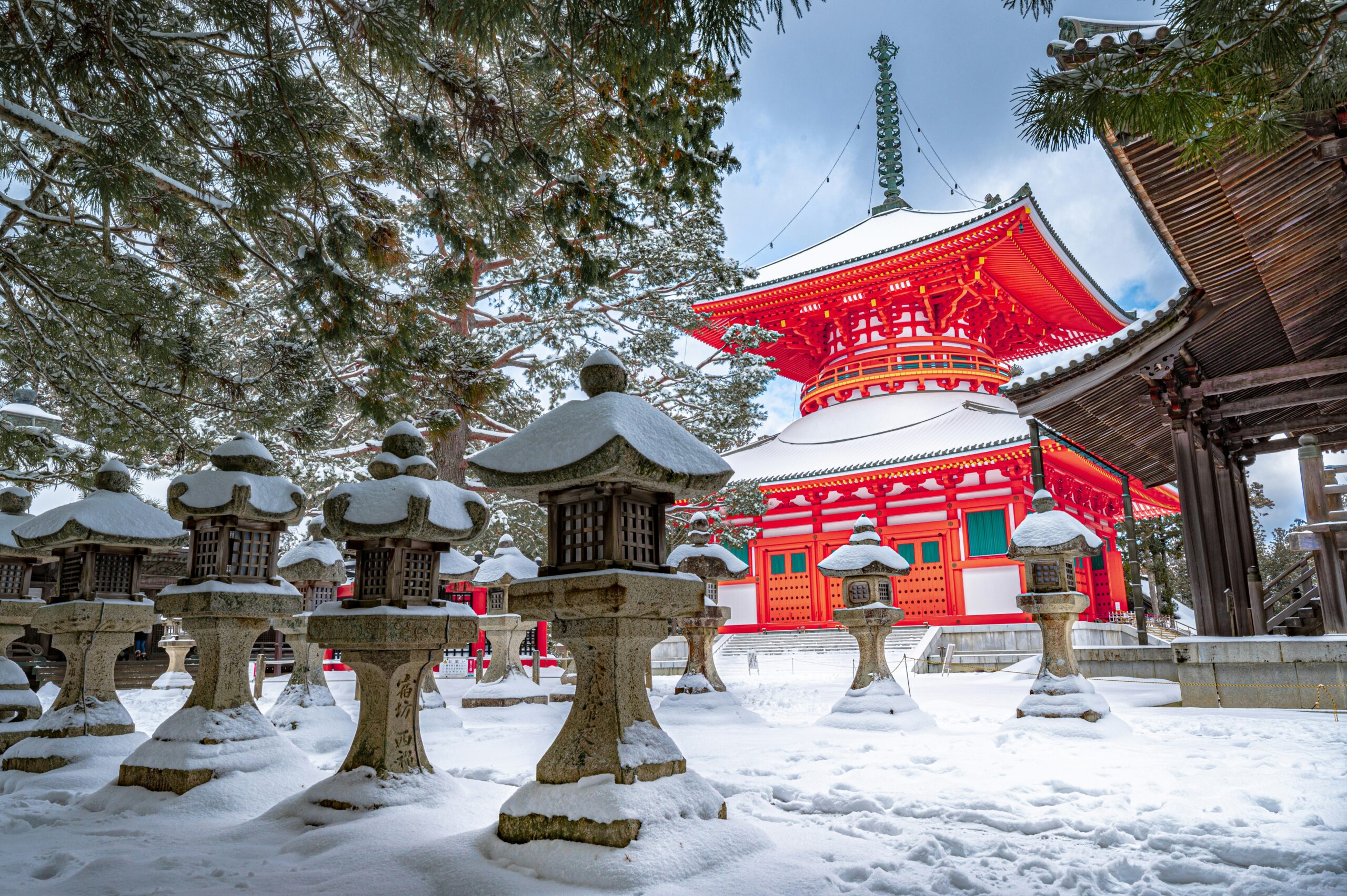
Winter in Japan has a very different kind of magic. It is quieter in some places, dramatic in others, and perfect for travellers who like snow, hot springs, winter lights, and cosy food after a long day outdoors. This may not be the best time to visit Japan for those who dislike cold weather, but for snow lovers, it can be one of the most memorable seasons. From the powder snow of Hokkaido to the thatched-roof houses of Shirakawa-go, winter brings a side of Japan that feels peaceful, cinematic, and completely worth packing extra layers for.
Sapporo
Sapporo is one of the best places to go to in Japan for first-timers and snow lovers alike. The city is known for its wide streets, snowy parks, warm food, and the famous Sapporo Snow Festival, which usually takes place in February. This is where winter feels big and festive. You get snow sculptures, evening lights, local food, and easy access to nearby winter destinations.
How to reach?
You can fly to New Chitose Airport from major cities like Tokyo or Osaka, and then take a train or bus to Sapporo in around 40-60 minutes. Keep 2-3 days for Sapporo if you want to enjoy the city, the snow festival, food streets, and nearby attractions.
Shirakawa-go
Shirakawa-go in winter looks like someone opened a storybook and placed you inside it. The traditional thatched-roof houses, known as gassho-zukuri farmhouses, become even more beautiful when covered in snow. It is not a loud or busy kind of winter experience. It is slower, scenic, and perfect for travellers who want photographs, village walks, and a glimpse of rural Japan.
How to reach?
Shirakawa-go is usually reached by bus from Takayama or Kanazawa. Travel time is around 1-1.5 hours from either city, depending on weather and road conditions. Keep half a day to one full day for the village.
Ginzan Onsen
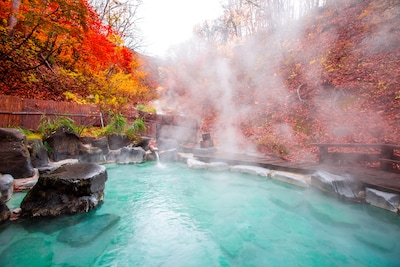
Ginzan Onsen is winter Japan at its most atmospheric. Think old wooden ryokans, narrow lanes, warm lights, snow piling up on rooftops, and steam rising from hot spring baths. It is the kind of place that makes you slow down without even trying. This is a wonderful pick during the best month to visit in Japan if you want a romantic or peaceful winter escape.
How to reach?
Ginzan Onsen can be reached by train to Oishida Station, followed by a local bus transfer to the onsen town. Travel time from Tokyo usually takes around 3.5-4.5 hours, depending on connections. Keep one overnight stay if possible, because the town is most beautiful in the evening.
Basic Travel Information for Indian Tourists Visiting Japan
Visa
Indian passport holders can apply for a Single Entry Short-Term Tourism Visa or an eligible Japan eVISA for short-term tourism. Check the latest Japan Embassy or VFS guidelines before applying.
Best Airports
Tokyo’s Narita and Haneda airports are common entry points. Osaka’s Kansai International Airport is useful if your route starts in western Japan.
Currency
Japan uses the Japanese Yen. Cards are accepted in many places, but cash is useful for small shops, temples, local transport, and food stalls.
Food
Vegetarian and Indian food options are easier to find in cities like Tokyo, Kyoto, and Osaka. Still, it helps to plan meals in advance.
Transport
Japan’s trains are excellent, but stations can feel confusing for first-timers. A guided itinerary can save time and make travel smoother.
So, there is no fixed best and worst time to visit Japan. Spring, summer, autumn, and winter each bring their own reason to go. Once you know whether you want cherry blossoms, festivals, autumn colours, or snow, choosing the best among various Japan tour packages becomes much easier.
FAQs
Q1. What is the best month to visit Japan?
Generally, April and November are considered among the best months to visit Japan. April is popular for cherry blossoms, while November is loved for autumn colours and comfortable weather.
Q2. What is the best time to go to Japan for cherry blossoms?
The best time to go to Japan for cherry blossoms is usually from late March to early April in cities like Tokyo, Kyoto, and Osaka.
Q3. What are the best and worst times to visit Japan?
There is no fixed best and worst time to visit Japan because every season offers something different. Spring and autumn are great for pleasant weather, summer for festivals, and winter is perfect for snow and hot springs.
Q4. Is Japan good for first-time travellers?
Yes, Japan is excellent for first-time travellers. It is safe, clean, well-connected, and full of different experiences, from cities and temples to food streets, gardens, mountains, and shopping areas.









 83 videos













Post your Comment
Please let us know your thoughts on this story by leaving a comment.