


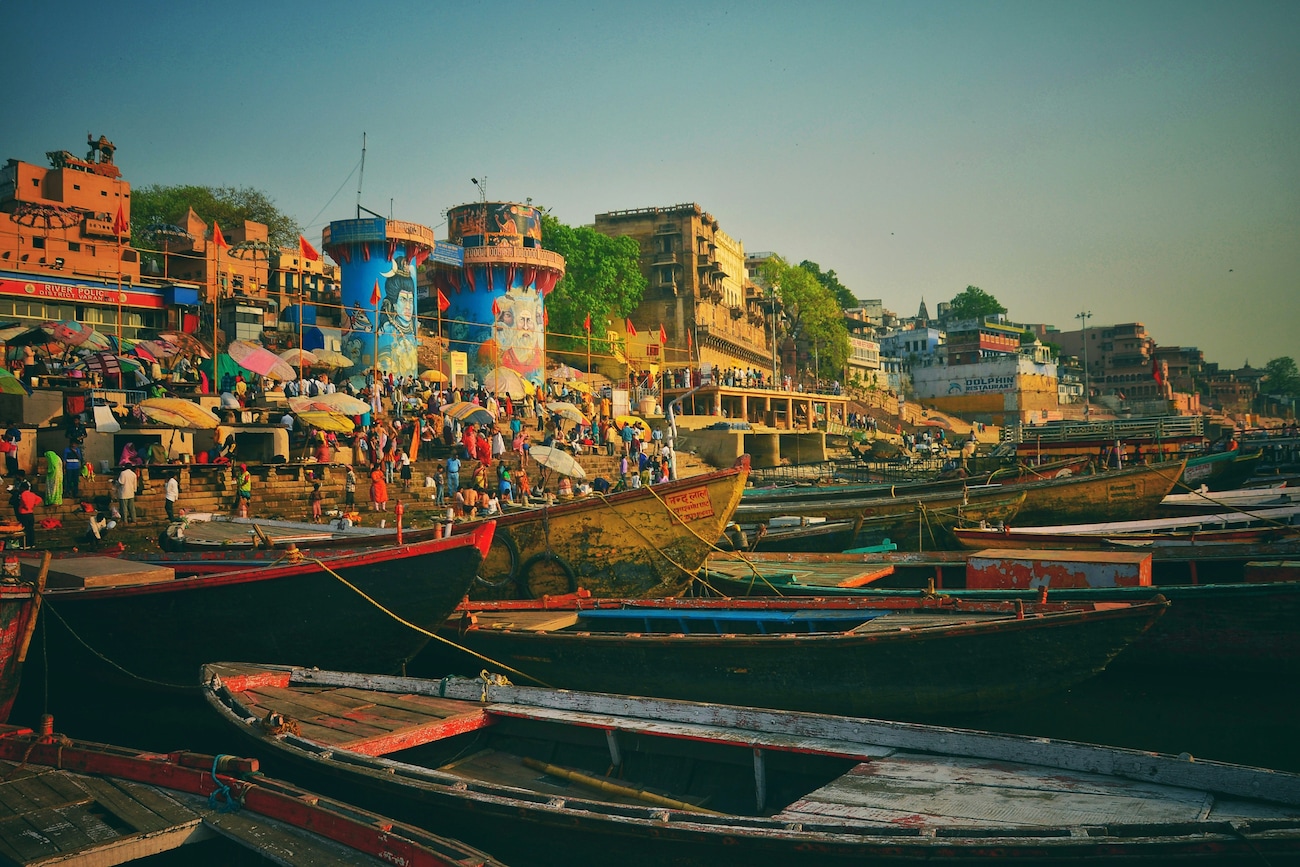

Exploring the ghats is the soul of any trip to Varanasi. From Assi to Dashashwamedh, Manikarnika to Kedar, this list of names of Varanasi ghats offers a glimpse into the city’s spiritual depth and cultural richness. Each ghat brings a unique experience, whether it is peaceful mornings, powerful rituals, or moments of quiet reflection.
If you are planning your visit, the Varanasi tour packages include ghat walks, sunrise boat rides, and Ganga Aarti experiences, making it easier to truly connect with the essence of the city.
Om Gam Ganapataye Namah.
Varanasi, a city that feels like a quiet conversation with something much older than time. Set along the sacred Ganges River, it holds a special place in Hinduism, where life, death, and rebirth are not separate moments, but part of one long, continuous journey.
The ghats in Varanasi are where this belief comes alive. At Dashashwamedh Ghat, evenings glow with the rhythm of the Ganga Aarti. Fire, chants, and devotion blend into something almost hypnotic. Just a short walk away, Manikarnika Ghat reminds you of another truth of Hindu philosophy that “death is not an end, but a step toward moksha.”
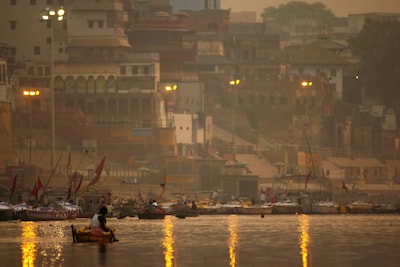
Come early morning, and the ghats feel softer, more personal. You will see people offering prayers to the rising sun, taking a dip in the river believed to cleanse not just the body, but the soul. It is simple, raw, and deeply spiritual.
What makes these ghats in Varanasi unforgettable is not just what you see; it is what you feel. A sense that everything here, every ritual and every moment, is connected to the other side of the world; something beyond our imagination and understanding.
A Dive in Faith: Exploring the Best Ghats in Varanasi
Ram naam japte, let us take a soulful walk through all the famous ghats in Varanasi, each one carrying its own story, its own energy.
- Assi Ghat
- Dashashwamedh Ghat
- Manikarnika Ghat
- Harishchandra Ghat
- Darbhanga Ghat
- Kedar Ghat
Assi Ghat
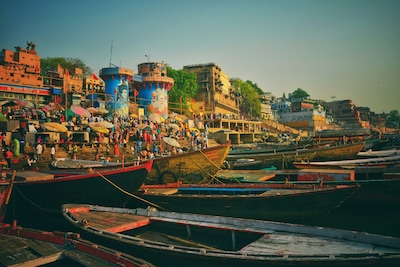
There is something incredibly comforting about Assi Ghat. It does not rush you. It does not overwhelm you. Instead, it welcomes you slowly, like Varanasi introducing itself in a soft voice. Early mornings here feel almost sacred in a quiet way. As the sun rises over the Ganges River, you will see locals practicing yoga, priests chanting mantras, and travellers simply sitting in silence, taking it all in.
Unlike the more intense ghats, Assi is the one ghat to visit in Varanasi that feels young, open, and breathable. It is where spirituality meets everyday life. Where a cup of chai and a morning aarti can feel equally meaningful. If you want to feel Varanasi before trying to understand it, this is where you start.
- What is the Best Time to Visit: Early morning (5:30 AM - 8 AM) for sunrise, Subah-e-Banaras, and peaceful vibes.
- How to Reach: Easily accessible by auto, cab, or even a relaxed walk if you are staying nearby in southern Varanasi.
- What to Do: Attend the morning aarti, try yoga by the river, take a boat ride at sunrise, or just sit with a cup of chai and watch the city wake up.
Dashashwamedh Ghat
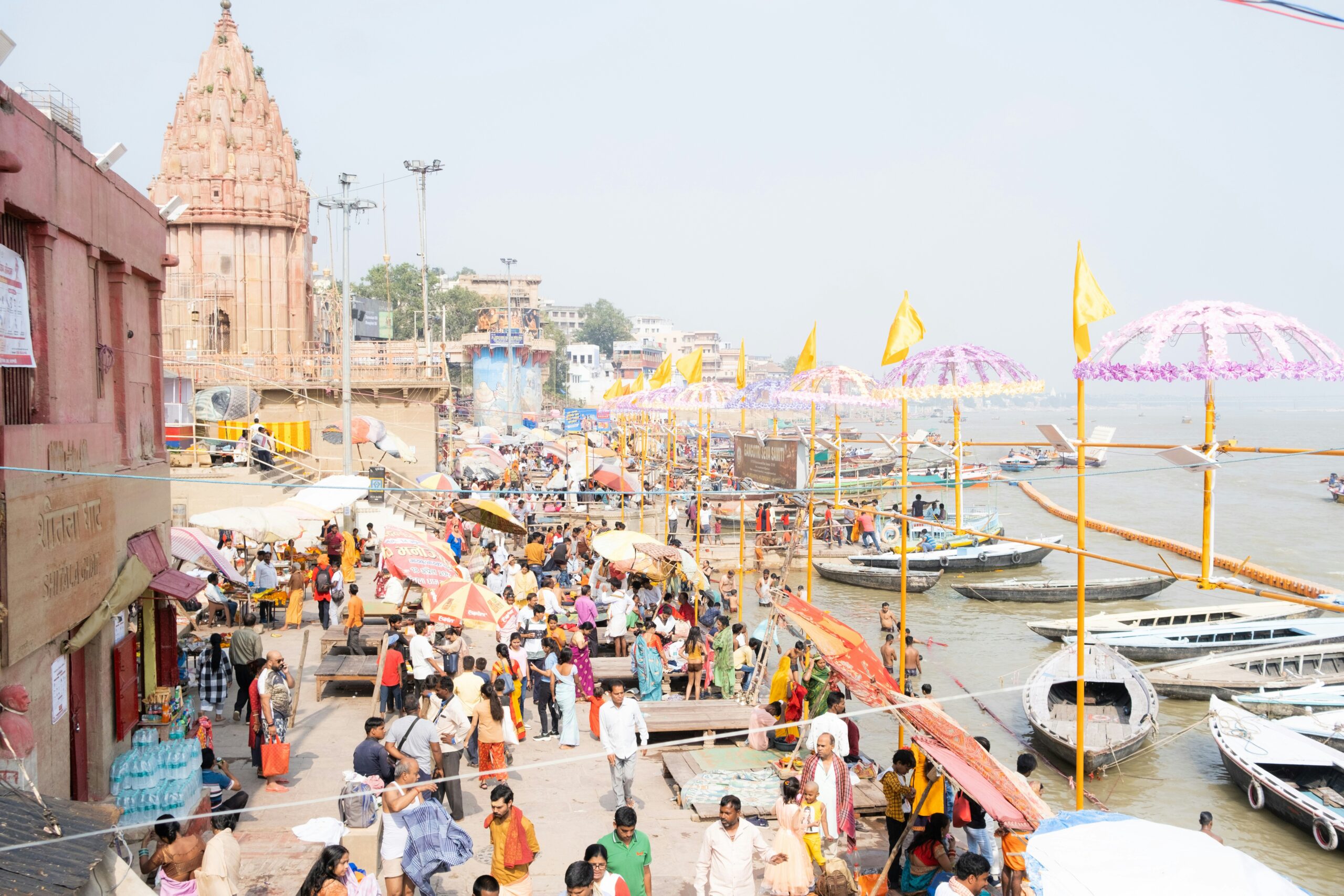
If Assi Ghat feels like a gentle beginning, Dashashwamedh is one of the best ghats in Varanasi, where the city speaks out loud. This is Varanasi’s very own heartbeat: vibrant, crowded, and full of energy that is hard to put into words. According to Hindu belief, this is where Lord Brahma performed the sacred Dashashwamedh yajna, giving the ghat its deep spiritual significance.
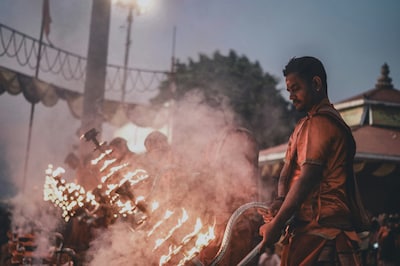
By evening, the entire space transforms. As the sun sets over the Ganges River, priests dressed in traditional attire begin the Ganga Aarti. The synchronised movements, the sound of bells, the fragrance of incense, and the glow of lamps all come together in a way that feels almost otherworldly. You are not just watching a ritual; you are part of something much bigger and holier.
It is chaotic, sure! But within that chaos lies a strange sense of peace.
- What is the Best Time to Visit: Evening (6:30 PM - 7:30 PM approx.) for the Ganga Aarti. Arrive early to get a good spot.
- How to Reach: Best reached by auto or on foot through the iconic, Instagram viral गलियाँ of Varanasi. You can also take a boat from nearby ghats for a unique view.
- What to Do: Witness the Ganga Aarti, take a boat ride during sunset, explore nearby markets, and just absorb the energy of the place.
Manikarnika Ghat
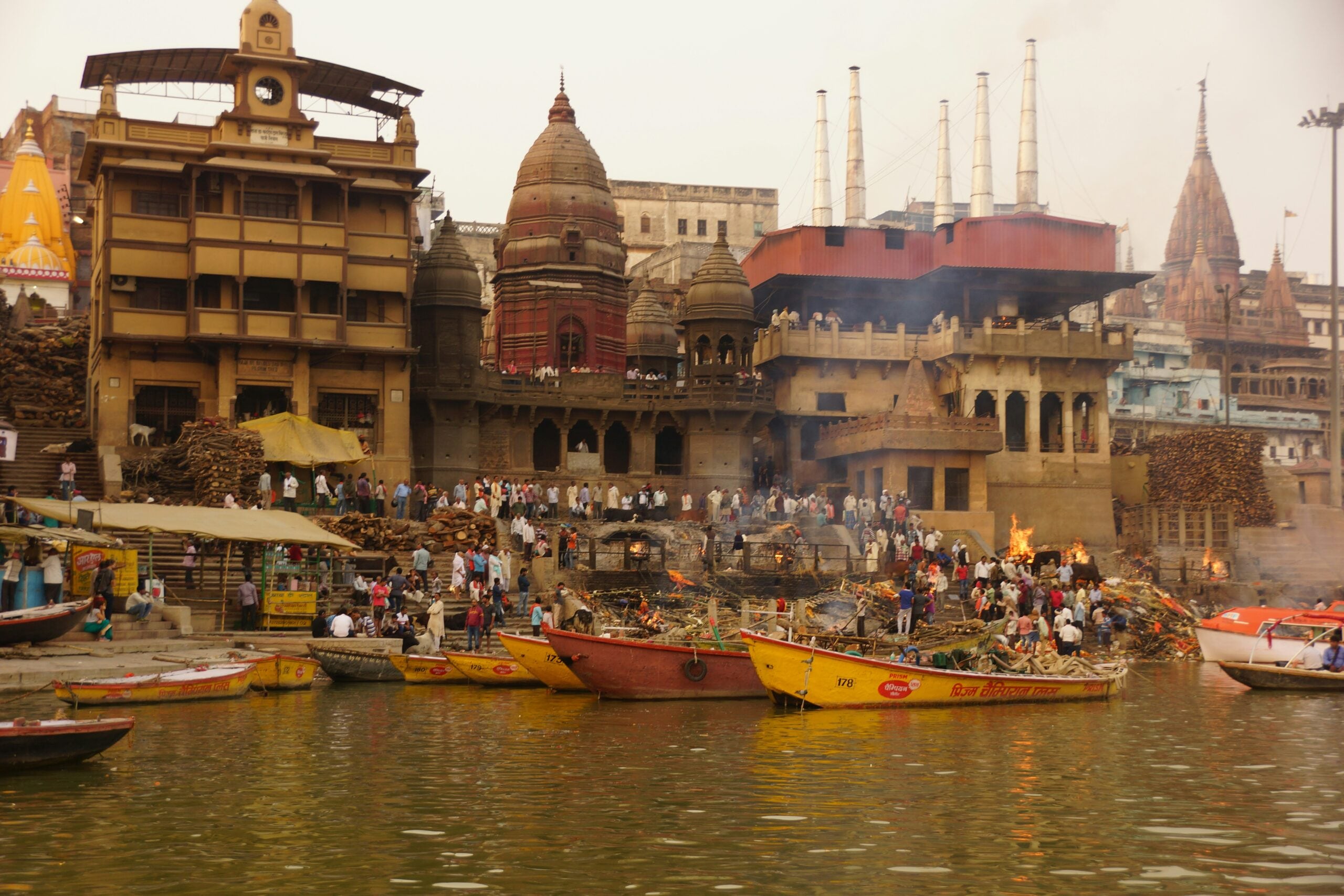
Manikarnika Ghat in Varanasi is not easy to describe, and it is not meant to be. This is one of the oldest and most sacred cremation grounds in Hinduism, where the fire is said never to go out. Here, the idea of life and death becomes real, visible, and deeply humbling.
According to belief, being cremated here on the banks of the Ganges River grants moksha (freedom from the cycle of birth and rebirth). It is a place where grief and faith exist side by side. You will see funeral processions arriving, chants of “Ram naam satya hai” echoing through the air, and rituals being carried out with quiet dignity.
It can feel intense, even overwhelming, but if you pause and observe with respect, there is a certain stillness beneath it all. A reminder of how temporary life is, and how deeply rooted these beliefs are in Hindu philosophy.
This is not a place to “visit” in the usual sense; it is a place to understand.
- What is the Best Time to Visit: There are no fixed timings. It operates 24/7. Mornings are slightly less crowded, but the atmosphere remains the same.
- How to Reach: Accessible by walking through the narrow lanes from Dashashwamedh or by boat along the river.
- What to Do: Observe from a respectful distance, take a silent boat ride past the ghat, and simply reflect. Avoid photography and be mindful of the sanctity of the place.
Harishchandra Ghat
If Manikarnika feels intense, Harishchandra Ghat in Varanasi feels introspective. It carries the same purpose, a sacred cremation ground, but with a quieter, more grounded energy. Named after King Harishchandra, who is remembered in Hindu mythology for his unwavering commitment to truth and sacrifice, this ghat reflects that same honesty in its atmosphere.
There is no grand spectacle here, no overwhelming crowd. Just the steady continuation of life’s final ritual on the banks of the Ganges River. The flames burn, the prayers are whispered, and everything feels stripped down to its essence. It is a place that doesn’t demand your attention but slowly draws you into reflection.
In a way, Harishchandra Ghat feels more personal. It is less about witnessing, more about understanding.
- What is the Best Time to Visit: Early morning or late evening for a quieter, less crowded experience.
- How to Reach: Easily accessible by road or by boat from nearby ghats like Assi or Dashashwamedh.
- What to Do: Observe respectfully, take a silent walk along the ghat, or view it from a boat while reflecting on its deeper meaning. Avoid intrusive behaviour or photography.
Darbhanga Ghat
After the intensity of the cremation ghats, Darbhanga Ghat feels like a visual exhale. With its grand, palace-like structure rising right from the banks of the Ganges River, this famous ghat in Varanasi brings a touch of elegance to the city’s otherwise raw and spiritual landscape.
Built by the royal family of Darbhanga, its architecture stands out instantly. Tall pillars, intricate designs, and a quiet sense of old-world luxury. It is less about rituals here and more about soaking in the beauty of the surroundings. You will often find travellers pausing, photographers framing the perfect shot, and locals simply sitting, watching the river flow by.
There is a calm charm to this place, and it does not try too hard, yet it leaves an impression.
- What is the Best Time to Visit: Early morning for soft light and fewer crowds, or evening for a peaceful riverside vibe.
- How to Reach: Best reached by boat or a short walk from Dashashwamedh Ghat through the riverside stretch.
- What to Do: Admire the architecture, click photos, relax by the steps, or enjoy a quiet boat ride nearby.
Kedar Ghat
Kedar Ghat feels alive in a different way, colourful, devotional, and deeply rooted in Shiva bhakti. The bright steps, the rhythmic chants, and the steady flow of devotees create an energy that is both vibrant and grounding. It is closely associated with the revered Kedareshwar Temple, dedicated to Lord Shiva, making it especially significant for pilgrims.
There is a certain warmth here. People are not just visiting, but connecting. You will see devotees offering prayers, taking ritual dips in the Ganges River, and sitting in quiet devotion. Compared to the louder ghats, Kedar feels more intimate and spiritual, yet still full of life.
It is the kind of place where faith feels personal.
- What is the Best Time to Visit: Morning for rituals and a peaceful atmosphere, or during festivals dedicated to Lord Shiva for a more vibrant experience.
- How to Reach: Easily accessible by foot from nearby ghats or by boat along the river.
- What to Do: Visit the Kedareshwar Temple, take a holy dip, observe rituals, or simply sit and absorb the devotional energy.
By the time you have walked through these main ghats in Varanasi, you realise Varanasi tourism is not something you simply “see”. It is something you slowly absorb. From the calm beginnings at Assi Ghat to the powerful truths of Manikarnika Ghat, every step along the Ganges River feels like moving through different layers of life itself.
There is devotion at Dashashwamedh Ghat, quiet reflection at Harishchandra Ghat, architectural grace at Darbhanga Ghat, and heartfelt faith at Kedar Ghat. And yet, none of them feels separate. They flow into each other, just like the river they stand beside.
Maybe that is the beauty of places to visit in Varanasi. It does not try to explain life to you. It simply shows it, as it is: raw, spiritual, fleeting, and eternal at the same time.
And somewhere between the chants, the silence, and the flowing water, you leave with something you didn’t arrive with, a sense of stillness that stays with you long after you have gone.
FAQs
Q1. How many ghats are there in Varanasi?
Varanasi has around 80+ ghats along the Ganges River, each with its own story, purpose, and spiritual significance.
Q2. Which is the most famous ghat in Varanasi?
Dashashwamedh Ghat is among the most famous, known for its vibrant energy and the iconic Ganga Aarti held every evening.
Q3. Is it safe to visit Manikarnika Ghat?
Yes, but with respect. Maintain distance, avoid photography, and observe quietly, as it is an active and deeply sacred cremation site.
Q4. What is the best time to explore the Varanasi ghats?
Mornings feel calm and spiritual, while evenings come alive with rituals like the Ganga Aarti. Both offer completely different experiences.
Q5. Can I cover all major ghats in one day?
Yes, especially with a boat ride. But slowing down and spending time at each ghat makes the experience far more meaningful.






 84 videos

















Post your Comment
Please let us know your thoughts on this story by leaving a comment.