


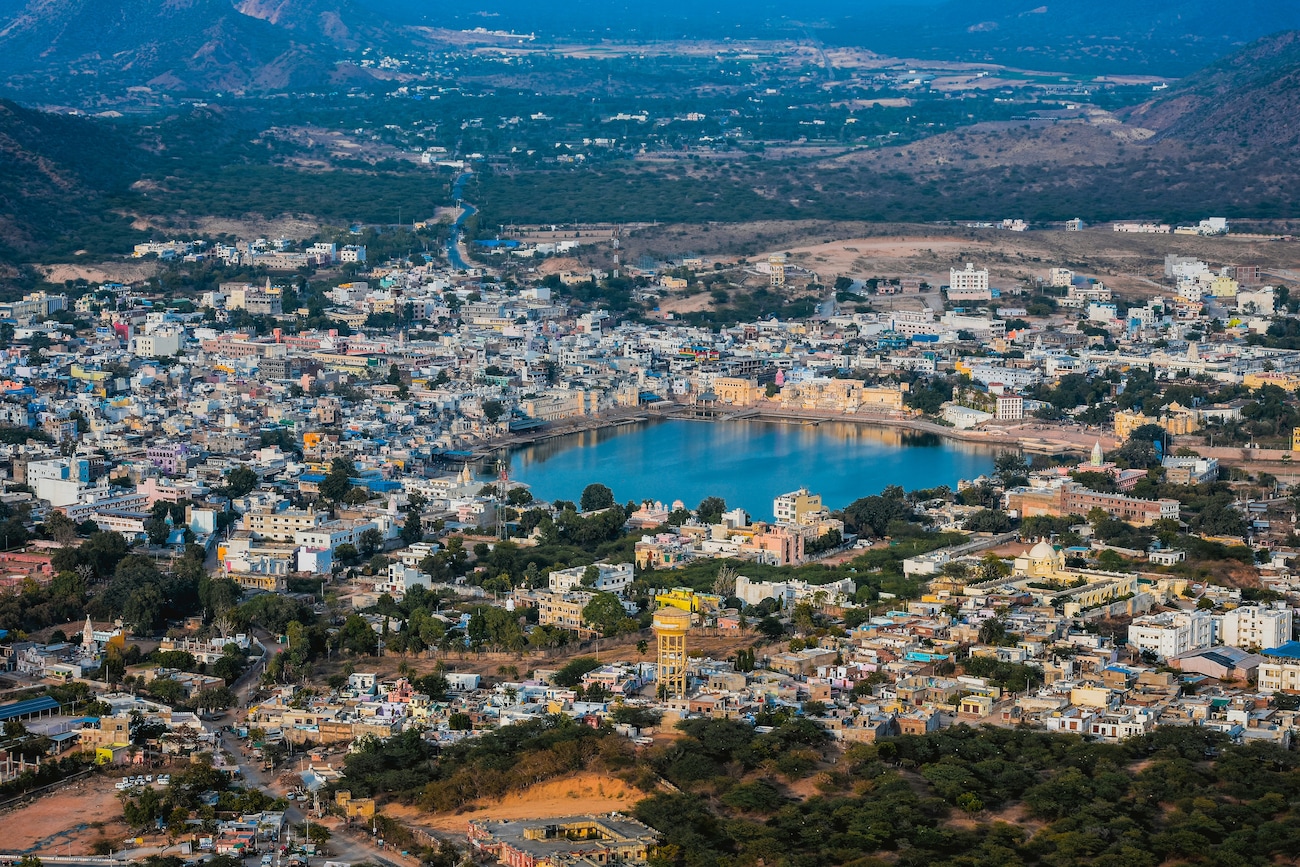

Pushkar is not a place you rush through. It is a town that asks you to slow down, walk barefoot along the ghats, pause for a cup of kadak chai while watching the sky change colour, and simply be. And explore a few but sufficient tourist spots.
Among the Rajputana (now Rajasthan) cities that keep calling travellers for more, Pushkar is one of those places leading the show. It is one of the oldest cities in India, centred around some interesting myths, timeless heritage, the sacred Pushkar Lake and one of the few Brahma Temples in the world. The city attracts all kinds of travellers, from devotees and spiritual seekers - especially during the festive months after monsoon and kartik purnima - to weekenders from Jaipur, Delhi and nearby places seeking a quick escape.
Things to Do in Pushkar
There are countless things to do in Pushkar. Whether you are here for faith, culture, food, or quiet moments of reflection, Pushkar blends spirituality, history, and everyday life in a way that feels both ancient and alive.
- Pay Tribute to the Four-Faced Idol at Brahma Temple
- Take a Dip in the Pushkar Lake
- Retail Therapy at the Main Bazaar
- Visit the Old Rangji Temple
- Varaha Ghat and the Temple
- Savitri Devi Temple
- Join a Safari
- Visit Gurudwara Singh Sabha
- Visit Pushkar Lake
- Eat Your Way Through Pushkar’s Main Market Road
- Attend Evening Aarti at Brahma Ghat
Pay Tribute to the Four-Faced Idol at Brahma Temple
The ruling deity of Pushkar, Lord Brahma, the Hindu god of creation, is the spiritual anchor of this city. The Brahma Temple, or the Jagatpita Shri Brahma Mandir, is one of the very few Brahma temples in the world and the first thing to see in Pushkar.
The structure dates back to the 14th century and showcases the craftsmanship of Rajputana sculptures, complete with ornamental columns, shikharas painted in soft Gerua (reddish-orange) colour and a Garbha Griha with an idol of Chaturmukhi (four-faced) Brahma. Of all the places to visit in Pushkar, this stop is the most revered. Devotees often bathe in the Pushkar Lake before entering the premises. However, a bathing ghat is also located below the temple that devotees can access till evening.
Take a Dip in the Pushkar Lake
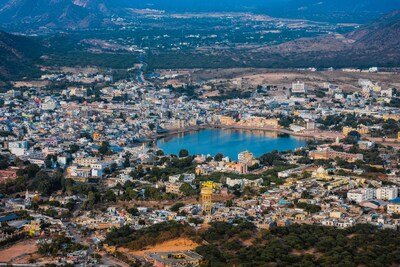
Among the sacred tiratha sthala (holy pilgrimage) in India, the Pushkar Lake or Pushkar Sarovar is one of those places that is believed to cleanse sins and cure diseases. Dipping in the lake often tops the list of famous things to do in Pushkar. The water body is contained within a semi-circular tank and is mentioned in countless Hindu scriptures, including the Padam Purana, the Bhagavata Purana, and the Skanda Purana.
The lake is surrounded by 52 bathing ghats or steps leading to the water, allowing devotees to bid their sorrows away with every dip. Occasions like Kartik Poornima and Pushkar Fair are considered the best time to visit Pushkar for a first-hand taste of the sacred ambience, as the lake is thronged by hundreds of Hindus taking a dip in the holy water every day.
The lake is located smack in the middle of the city and is one of the best places to visit in Pushkar.
Retail Therapy at the Main Bazaar
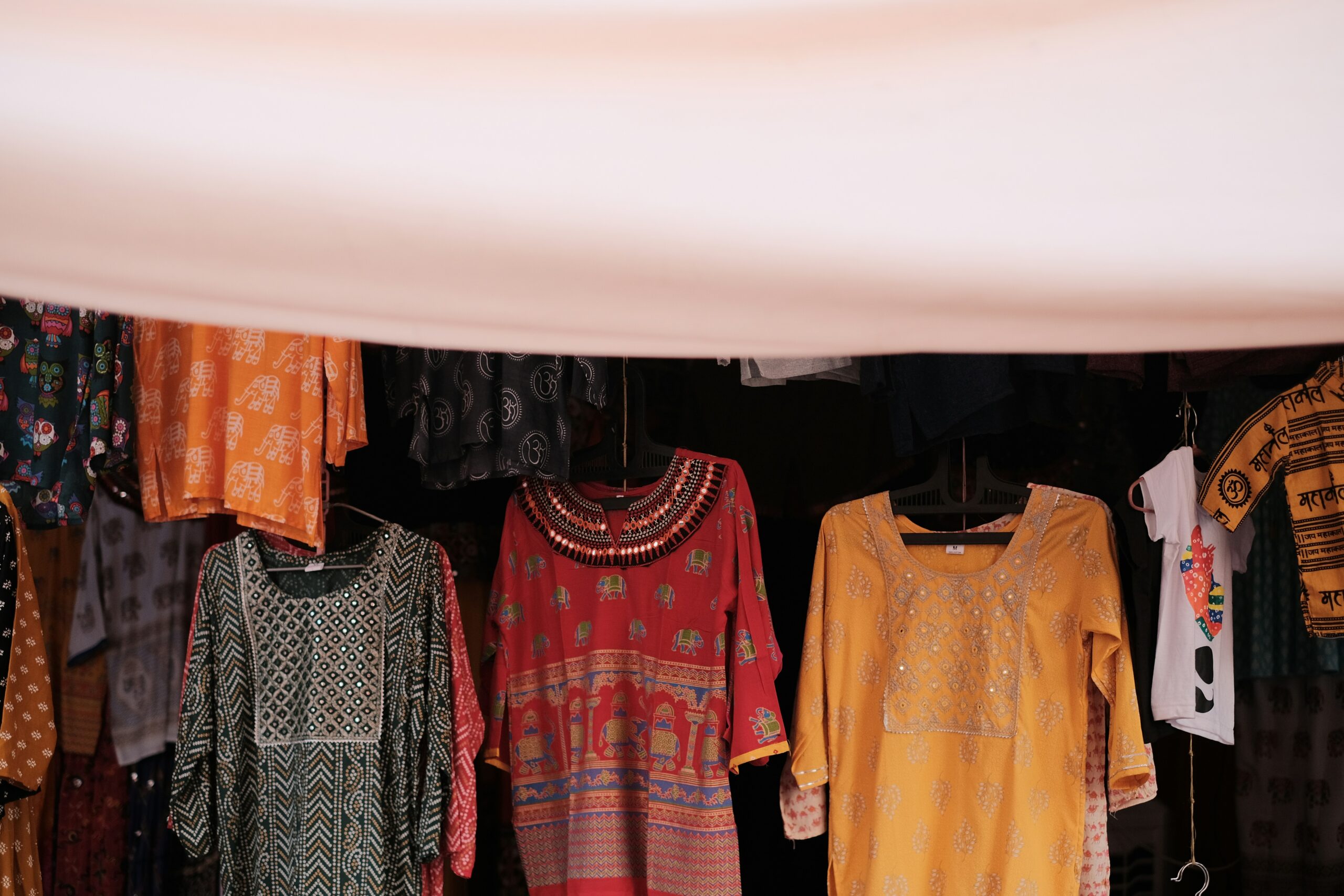
Besides devotion and religion, the small town of Pushkar has a lot to offer for those who love shopping. The main bazaar is where Pushkar shows this colourful side. The lively streets surround the Pushkar Lake and are filled with roadside stalls and hundred-year-old shops selling quality textiles, handmade bags, beads mallas, jewellery, bangles, painting and craft workshops, and souvenirs that will leave you spoilt for choice.
This is one of the best places to explore in Pushkar, especially if you are on top of your haggling game. But even if you do not buy anything, the experience itself is worth it.
Visit the Old Rangji Temple
Dedicated to Lord Ranga, an incarnation of Lord Vishnu, the Old Rangji Temple is located in a peaceful, sacred and often less crowded part of the city. The architecture takes inspiration from Mughal and Rajput temples, but surprisingly, hints of South Indian architecture are prominent, especially the high-rising Gopuram that leads to the inner sanctum.
The temple complex has a main shrine, called the Vaikuntha Venkatesh, with several other shrines dedicated to other Hindu deities. The temple is one of the lesser-known places to see near Pushkar that rewards curious travellers.
Varaha Ghat and the Temple
Varaha Ghat is one of the most significant ghats surrounding Pushkar Lake. It is often less busy than Brahma Ghat, making it ideal for sitting quietly and observing the play of sunlight on the lake’s surface. The ghat leads to almost all tourist entertainment places, cafes, restaurants and ultimately to the Varaha Temple dedicated to the third incarnation of the Hindu God Vishnu, who appeared as a Varaha, a wild boar.
The temple’s inner sanctum has a white idol of Lord Varaha, and the premises are decorated with sculptures, carvings, life-size statues and a pillar of Garuda, the mythical bird. The ghat is often populated by pilgrims and sadhus performing rituals and travellers simply soaking in the spiritual vibe.
Savitri Devi Temple
Perched atop Ratnagiri hill, the Savitri Devi Temple is dedicated to Goddess Saraswati. The temple overlooks the small town, and one can either hike up to the top early in the morning or take the Savitri Maata ropeway for a smooth ascent. The temple deity is believed to strengthen marital bonds and grant marital bliss to couples, which makes it one of the popular places to see near Pushkar Lake. The temple offers stunning panoramic views of the city with its ghats and temples, and devotees bathing in the sacred lake. It is one of the most memorable activities to do in Pushkar, especially around sunrise or sunset.
Join a Safari
Pushkar is a semi-deserted area and a perfect spot to indulge in a day enjoying camel safari, Jeep safari or horse riding. Travellers can easily book a safari and camping tour online that offers a complete experience of sunset rides, open landscapes, folk performances by a campfire and traditional food while enjoying the stillness of Rajasthan’s desert evenings. Explore our Pushkar tour packages or allow us to curate a Customized Holiday that includes desert experiences while focusing on authenticity and comfort.
Visit Gurudwara Singh Sabha
One of the lesser-known yet deeply peaceful spots in Pushkar, the Gurudwara Singh Sabha commemorates the visit of Guru Nanak Dev Ji and Guru Gobind Singh Ji in Pushkar. Like any other gurudwara, the simplicity, calmness, and peace of this place and the langar served at different times of the day leave travellers wanting to come back for more. The spot that was marked by the Guru's stay was called Gobind Ghat, now known as the Gandhi Ghat.
When Galavanting During the Evening
Visit Pushkar Lake
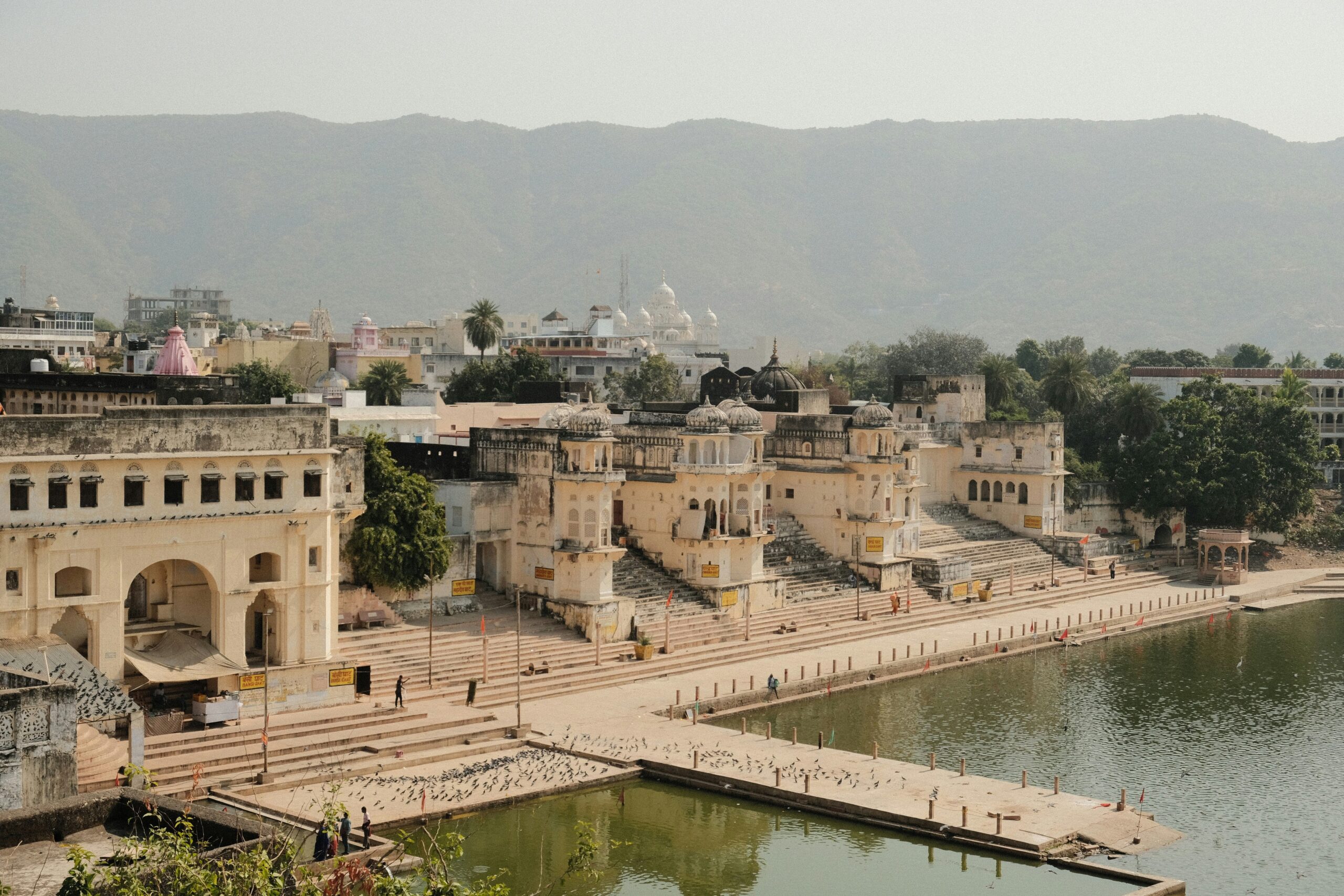
Though we have already covered this, visiting the Pushkar Lake during the morning and then the evening are two different things altogether. The opportunity to stroll by the banks as the day’s chaos dies down, to the sounds of bells chiming in the small temples surrounding the ghats, and local vendors selling their last wares for the day is truly magical. Attending the evening aarti by the ghats adds another layer to the experience, making it one of the most immersive things to do in Pushkar.
Eat Your Way Through Pushkar’s Main Market Road
Do not miss out on the food, especially near Varaha Ghat. From Dal Baati Churma to street-side wraps, Ker Sangri with Bajra roti, and even delicious wood-fired pizza, to name a few, cafes and restaurants in Pushkar serve a variety of cuisines. For a glutton, Pushkar rarely disappoints. Oh, and do not miss out on the famous malpuas that countless people line up for in the shops. This sweet sugary pancake with delightfully crispy edges is often served warm with rabri and is one of the best delicacies you can enjoy on a chilly winter evening in Pushkar.
Attend Evening Aarti at Brahma Ghat
Just before sunset, hundreds gather at Brahma Ghat to partake in the grand aarti. With the bells ringing in rhythm, the echoing chants of devotees and the lake reflecting the golden glow of the aarti and the setting sun, this is a moment that stays with you. The energy feels connected and deeply moving. Even if you are not religious, attending the Brahma Ghat aarti is one of the most beautiful things to do in Pushkar.
Note: The aarti timings may differ depending on the season; make sure to ask locals for a close timing.
Best Time to Visit
The best time to visit Pushkar is between October and March, when the weather is pleasant and ideal for sightseeing. The time aligns for the Pushkar Fair and Kartik Poornima in October - November, a time when the city comes alive with music and cultural events. Winters are also perfect for walking tours, desert safaris and attending evening aartis, as compared to hot weather months when the heat is scorching.
However, the summer, April - June, is great for budget travel and relaxed evenings. It is best to avoid monsoons.
How to Reach
By Air
The nearest airport is Kishangarh Airport, which is well-connected to major cities in the country. Once there, you can take a local cab or bus to Pushkar. The fair is easy on the pocket!
Rail
Ajmer Junction is the nearest railway station that is well-linked to Pushkar through taxis and buses. From here, it can take approximately 30 minutes to reach Pushkar.
Road
Pushkar is well-connected to major cities via national highways, and both government and private buses are easily available from Jaipur, Delhi and Ajmer.
How to Get Around Pushkar
Local transportation, like auto rickshaws and taxis, is easily available to take you to and fro, but the area surrounding the lake is pretty compact and best explored on foot. Some of the lesser-known places, temples, hidden cafes and quiet corners often do not make it to the guidebooks, and walking allows you to explore at your own pace.
Pushkar is a sacred destination, and travelling with thoughtfully curated itineraries will allow you to experience the city hassle-free and in a meaningful way. So pack your bags, book your trip and get ready to enjoy in comfort and style.
FAQs
Q1. Why does Pushkar attract such a wide mix of international travellers?
Pushkar’s spiritual reputation, relaxed vibe, and compact size make it easy for backpackers, pilgrims, and culture-seekers to mingle in one walkable town.
Q2. How has tourism shaped Pushkar’s local identity?
Tourism has blended with tradition, creating a place where ancient rituals exist alongside cafés, rooftop music, and global influences without fully losing its sacred character.
Q3. What makes the Pushkar Camel Fair more than a typical festival?
Beyond its spectacle, the fair is a living marketplace where rural livelihoods, folk culture, and tourism intersect in a way few events still manage.
Q4. Why is Pushkar especially popular with first-time visitors to Rajasthan?
Its manageable scale, safe atmosphere, and strong visual appeal offer an accessible introduction to Rajasthan’s colours, customs, and desert culture.
Q5. How do visitors balance spirituality and leisure in Pushkar?
Tourists often combine temple visits and lake rituals with shopping, yoga, and café-hopping, experiencing Pushkar as both a sacred town and a laid-back travel stop.





 83 videos












Post your Comment
Please let us know your thoughts on this story by leaving a comment.