


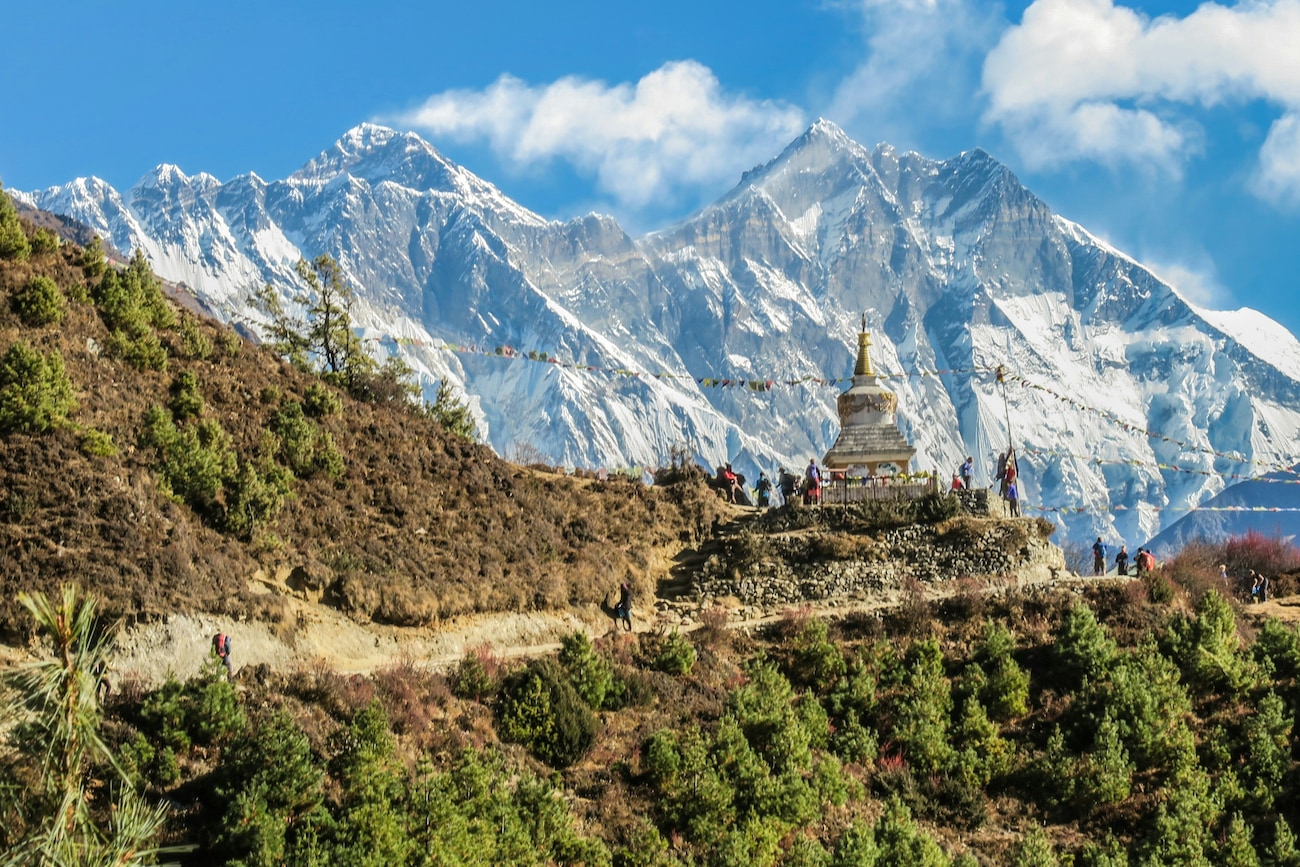

Nepal offers diverse experiences, including Himalayan trekking, sacred pilgrimages, wildlife safaris, cultural heritage sites, and authentic cuisine. With breathtaking landscapes and welcoming locals, it is an ideal destination for adventure lovers, spiritual seekers, and cultural explorers alike.
Home to the world’s tallest mountain, Nepal is a haven for trekkers and adventure seekers that offers thrilling experiences such as rafting, skiing, skydiving, and bungee jumping. It is also the birthplace of Lord Gautam Buddha, adding deep spiritual significance to the country. With much of Nepal covered in hills and mountains, it captivates visitors through its rich cultural diversity, with over 60 ethnic groups. Renowned Hindu and Buddhist pilgrimage sites like Muktinath, Pashupatinath, Lumbini, and Boudhanath further enhance its appeal. Blending breathtaking natural beauty with vibrant culture, Nepal offers a soul-stirring experience. Awaken the explorer within and set out to discover this majestic land.
Why Visit Nepal?
- World’s Top Trekking Destination: Nepal is one of the world’s premier trekking destinations, offering spectacular trails through the Himalayas. From Everest Base Camp to Annapurna, Manaslu, and Dhaulagiri, these journeys rank among the most breathtaking places to go in Nepal, blending adventure with unforgettable mountain scenery.
- Amazing Culture: Nepal’s culture remains deeply rooted and beautifully preserved. The charm of Newari traditions, the calming chants of Buddhist monks, and sacred Hindu temples offer immersive experiences that define the country’s identity and highlight meaningful tourist activities in Nepal.
What Are the Top Things to Do When in Nepal?
- Trek to Everest Base Camp - The South Camp
- Visit Pashupatinath Temple in Kathmandu
- Pilgrimage to Lumbini
- Explore Pokahara
- Jungle Safari to Chitwan National Park
- Visit Durbar Square, Patan
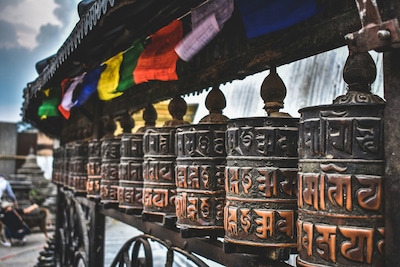
- Visit Swayambhunath Temple, Kathmandu
- Explore Authentic Nepali Cuisine
Trek to Everest Base Camp - The South Camp
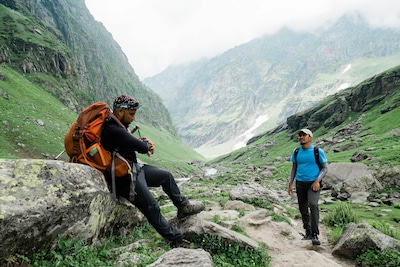
The Everest Base Camp trek takes you through some of the most spectacular Himalayan landscapes on Earth, leading trekkers from Lukla through picturesque Sherpa villages to the iconic South Base Camp at 5,364 m. Along the way, you’ll cross suspension bridges, pass ancient monasteries, and enjoy panoramic views of snow-capped peaks, including Everest, Lhotse and Ama Dablam. This classic adventure is one of the most rewarding tourist activities in Nepal, blending natural beauty, cultural immersion and physical challenge for an unforgettable journey.
- Food Availability: Good food options are available along the trekking trail in teahouses serving freshly prepared meals, with dishes like noodles, momos and soups. A t higher altitudes, simpler meals help maintain energy and hydration throughout the trek.
- Best Time to Visit: The ideal seasons for the trek are March to May (spring) and September to December (autumn), when the weather is stable and skies are clear, offering the best views of the mountains and safer trail conditions.
- Cost: A typical Everest Base Camp trek costs around INR 35,000 to INR 65,000 per person, depending on the duration, services and trekking package you choose, including permits, guides and logistics.
Visit Pashupatinath Temple in Kathmandu
Pashupatinath Temple is one of the most sacred Hindu temples in Kathmandu, located on the banks of the holy Bagmati River. This UNESCO World Heritage Site is dedicated to Lord Shiva and features classic pagoda-style architecture with gilded roofs and silver-plated doors that attract devotees and travellers alike. The complex includes numerous shrines, sacred ghats and ceremonial spaces where rituals and prayers unfold throughout the day. It remains among the most revered must visit places in Nepal for its spiritual significance and cultural depth.
- Timings: Temple Timings 4:00 AM - 12:00 PM and 5:00 PM - 9:00 PM, Inner Temple Courtyard: 4:00 AM - 7:00 PM, Sanctum Sanctorum: 5:00 AM - 12:00 PM (Morning), 5:00 PM - 7:00 PM (Evening), Apart from Abhisheka time, devotees can worship from all four entrances from 9:30 AM - 1:30 PM.
- Entry Fee:NPR 1000 for Foreign and SAARC Nationals, Free for Indian and Nepali Nationals
Pilgrimage to Lumbini
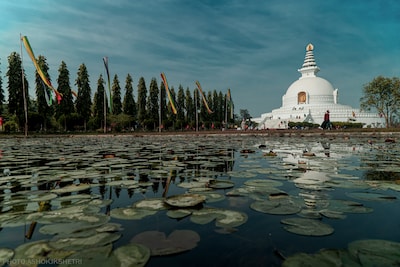
Lumbini, located in Nepal’s Rupandehi District, is the sacred birthplace of Lord Buddha and a revered pilgrimage destination for Buddhists and spiritual seekers worldwide. This UNESCO World Heritage site centres around the Mayadevi Temple, believed to mark the exact spot where Siddhartha Gautama was born, and is surrounded by tranquil gardens, ancient ruins, the Bodhi Tree, and sacred ponds that invite meditation and reflection. The serene ambience, cultural significance, and diverse international monasteries make Lumbini an unforgettable spiritual journey.
- Entry Cost: Entrance to the core heritage area requires a conservation fee that is approximately NPR 700 for foreign nationals, NPR 400 for SAARC nationals, NPR 80 for Indian visitors, and NPR 20 for Nepali citizens.
- Timings: Lumbini is generally open during daylight hours for visitors to explore the sacred zones and meditative spaces.
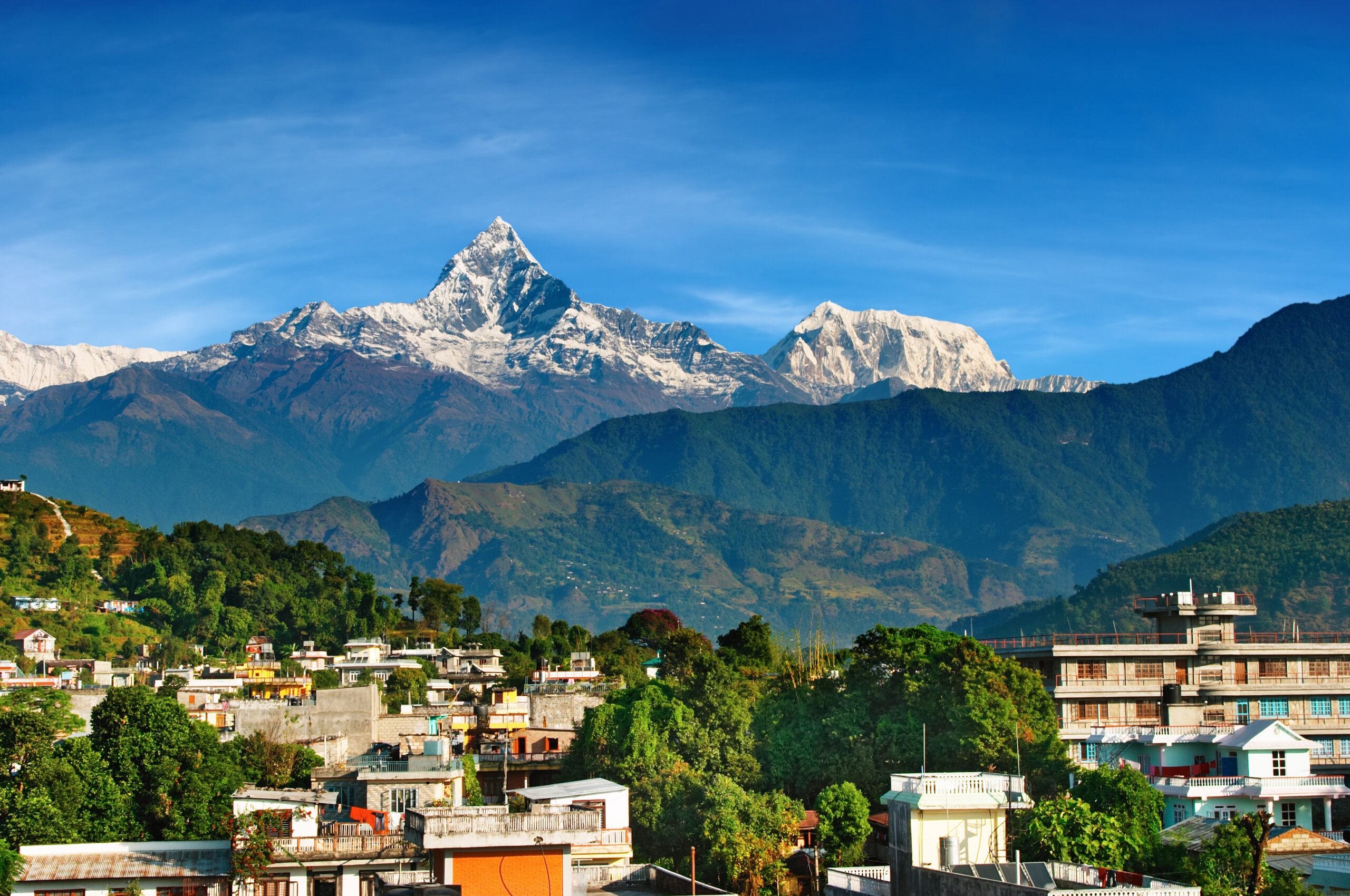
Explore Pokahara
Pokhara is a stunning city nestled beside Phewa Lake and framed by the Annapurna mountain range, making it one of the most beautiful tourist destinations in Nepal. Known for its serene lakeside ambience, lush landscapes and adventure sports, Pokhara offers boating on Phewa Lake, paragliding over the valley, cave exploration, cultural temples and peaceful strolls along lakeside promenades. Its blend of natural beauty, outdoor activities, and relaxed atmosphere makes it a favourite stop for travellers and nature lovers alike.
- Cost: Entry to most natural attractions and sites, like lakes and viewpoints, is free, while adventure experiences such as rafting and paragliding vary by operator (additional fees apply).
- Timings: Outdoor sightseeing and lakeside areas are open daily. Individual activity operators set their own schedules.
- Best Time to Visit: September to November and spring (March-May) are ideal for clear mountain views and pleasant weather.
Jungle Safari to Chitwan National Park
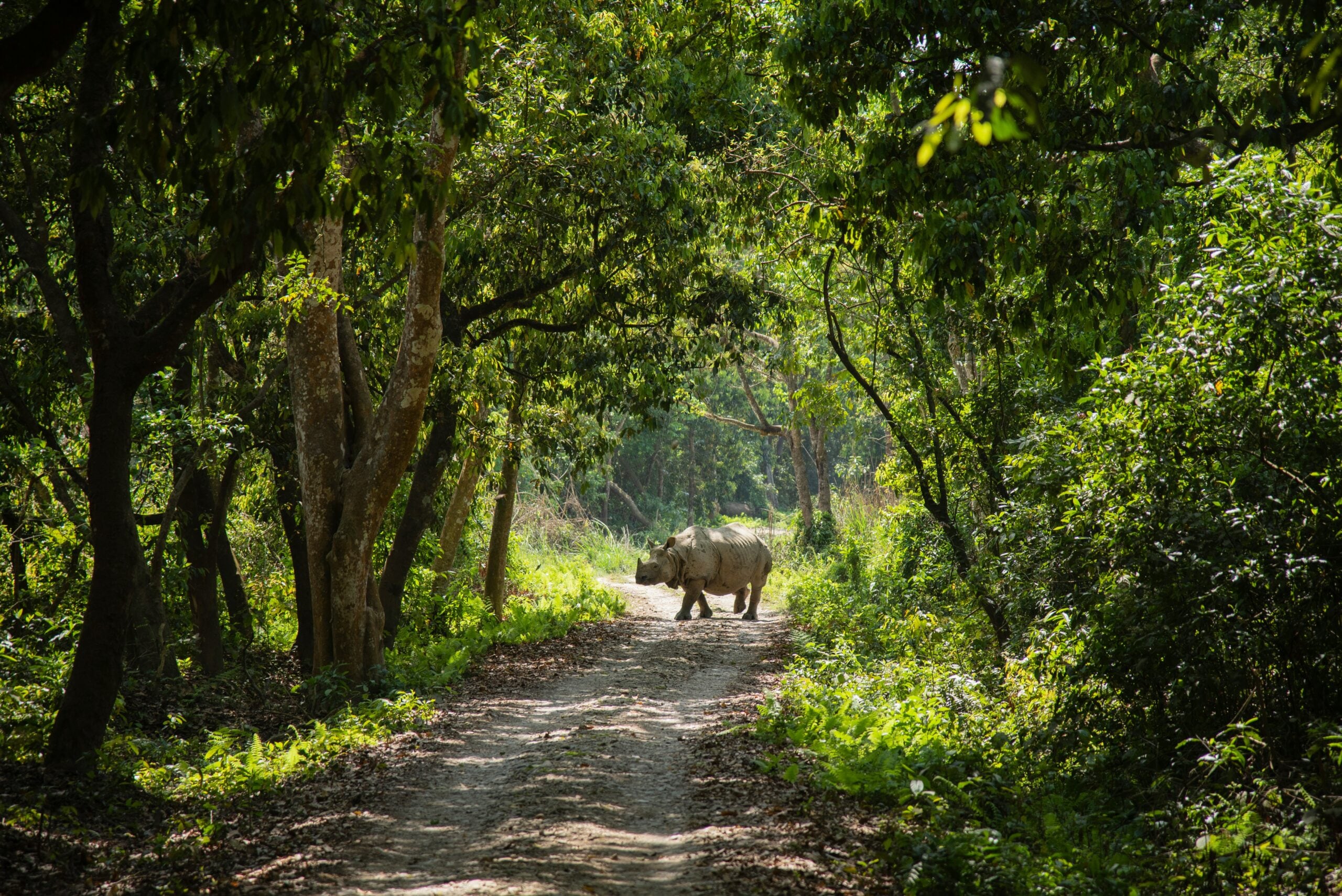
Chitwan National Park, located in the subtropical lowlands of southern Nepal, covers around 932 square kilometres and is a UNESCO World Heritage Site renowned for its rich biodiversity. The park is home to iconic wildlife such as the one-horned rhinoceros, Bengal tiger, elephants, leopards, sloth bears, and numerous bird species. Visitors can enjoy immersive experiences, including jeep safaris, jungle walks, canoe rides along the Rapti River, and elephant safaris. Beyond wildlife, the park offers cultural insights through the indigenous Tharu community, whose traditions, music, and dance add cultural depth. Easily accessible from Kathmandu and Pokhara, Chitwan blends nature, conservation, and culture.
Chitwan National Park Permit Fees:
- Cost of Entry for Foreigners: 2000 NPR
- Price for Locals: 150 NPR
- Entry for SAARC Citizens (Indians): 1000 NPR
- Children Below the Age of 10: Free
Jeep Safari Fee
- Cost of Shared Jeep Safari: 2500 NPR per person
- Cost of Full Day Safari: 4000 NPR per person
Elephant Safari Fee
- Elephant Safari for Foreigners: 2500 NPR Per Elephant (2 People)
- For Locals: 200 NPR
- Cost for SAARC: 1000 NPR
Elephant Breeding Center (Timing-6:00 AM To 6:00 PM)
- Entry Cost for Foreigners: 100 NPR
- For Locals: 25 NPR
- For SAARC: 50 NPR
- Cost for Bathing Elephant: 200 NPR
Canoe Ride
- Half-Day Canoe Ride: 1400 NPR
- Full-Day Canoe Ride: 1800 NPR
Visit Durbar Square, Patan
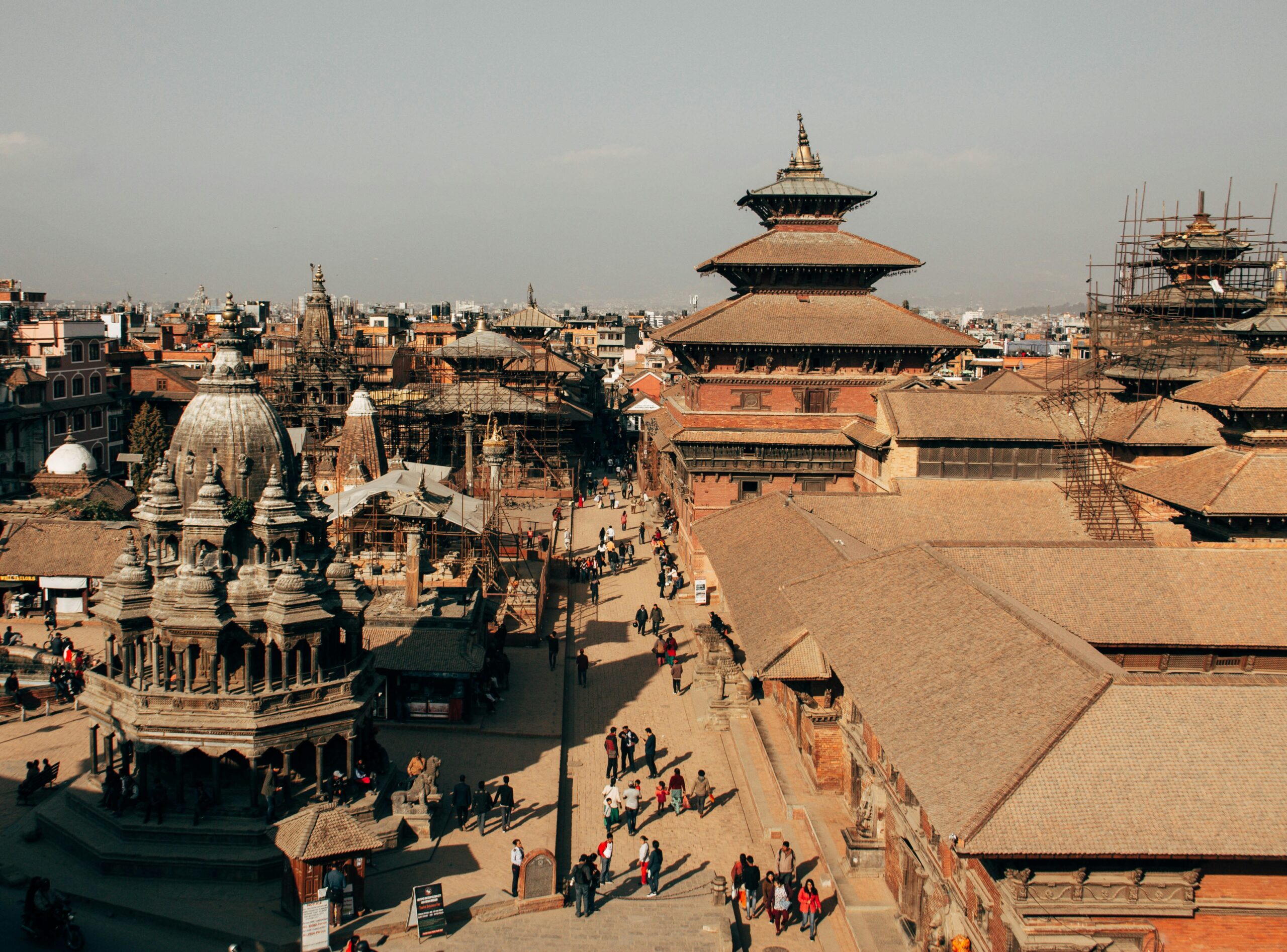
Located in the heart of Lalitpur, Patan Durbar Square is a UNESCO World Heritage Site and one of the most visited places to go to in Nepal. Its temples, palaces, and traditional houses beautifully showcase Nepal’s rich architectural heritage and cultural history. Just a few kilometres from Kathmandu, it is one of the three main Durbar Squares in the Kathmandu Valley, blending ancient artistry with modern life. The best time to visit is from October to December for pleasant weather. Though damaged in the 2015 earthquake, ongoing restoration efforts have revived its charm, making Patan a must-visit cultural attraction in Nepal.
- Timings: Ticket Counter Timings: Tuesday to Saturday: 10:30 AM to 4:30 PM and on Sundays - 10:30 AM to 2:30 PM
- Entry Fee - Nepali Nationals
- Dubar Patan Square: Free (except museum)
- Museum: NPR 30
- Student ID Entry: NPR 20
- School Lettered Entry: NPR 10
- Entry Fee - SAARC Individuals: Square and Museum Entry: NPR 250
- Entry Fee - Foreign Nationals: NPR 1000
Visit Swayambhunath Temple, Kathmandu
Perched atop Semgu Hill on the outskirts of the Kathmandu Valley, the Swayambhu Temple is one of Nepal’s most revered religious landmarks and a major highlight of Nepal tour packages. Sacred to Buddhists and Tibetans, the temple features a white dome stupa surrounded by numerous shrines. Visitors climb 365 steps to reach the summit, where panoramic views of Kathmandu await. Pilgrims traditionally walk clockwise around the stupa, believing it purifies the soul. Also known as the Monkey Temple due to its resident monkeys, this centuries-old shrine has long watched over the Kathmandu Valley.
- Timings: 24 hours
- Entry Fee: Foreign Nationals: NPR 200, SAARC Nationals: NPR 50, Nepalese citizens: No entry fee
Explore Authentic Nepali Cuisine
Nepali cuisine reflects the country’s rich cultural diversity and deep connection to its geography and traditions. Rooted in simple yet flavorful ingredients, the food varies across regions, influenced by Himalayan, Tibetan, and Indian cooking styles. Meals are often wholesome, balanced, and prepared using fresh local produce, aromatic spices, and traditional techniques passed down through generations. From hearty staples enjoyed daily by locals to festive dishes served during celebrations, authentic Nepali cuisine offers a comforting and soulful culinary experience that gives travellers a true taste of Nepal’s heritage and way of life.
Authentic Nepali Cuisine:
- Dal Bhat: A traditional staple of lentil soup and rice, served with vegetables and pickles.
- Momos: Steamed or fried dumplings filled with spiced vegetables or meat, loved across Nepal.
- Sel Roti: A sweet, crispy rice-based doughnut traditionally prepared during festivals and special occasions.
- Gundruk: Fermented leafy greens cooked into a tangy soup or side dish, rich in probiotics.
- Thukpa: A warming noodle soup with vegetables or meat, influenced by Tibetan Himalayan cuisine.
- Yomari: Steamed dumplings filled with sweet jaggery and sesame seeds, popular during festivals.
Nepal is a destination that blends adventure, spirituality, culture, and nature into one unforgettable journey. From Himalayan treks and sacred temples to wildlife safaris and local cuisine, every experience feels deeply enriching. Whether you seek peace or thrill, Nepal tourism offers timeless memories, meaningful connections, and experiences that stay with you long after your journey ends.
FAQs
Q1. Why do some of Nepal’s most meaningful experiences happen away from the mountains?
While Nepal is famous for trekking, everyday experiences such as observing morning rituals at local temples or sharing meals in village homes offer deep cultural insight. These quieter moments reveal how spirituality and community shape daily life.
Q2. Can you experience Himalayan culture without a multi-day trek?
Yes. Places like the Kathmandu Valley and hill towns near Pokhara allow visitors to explore monasteries, traditional villages and panoramic viewpoints without committing to strenuous trekking, making Himalayan culture more accessible.
Q3. What makes Nepal’s festivals an immersive experience for travellers?
Nepal’s festivals often spill into streets and homes, with locals actively inviting participation. Celebrations like Indra Jatra or Tihar blend music, rituals and storytelling, allowing visitors to witness living traditions rather than staged performances.
Q4. Why are wildlife safaris an unexpected highlight in Nepal?
Beyond the mountains, national parks such as Chitwan and Bardia offer jungle safaris where you can spot rhinos, crocodiles and rare birds. This contrast between Himalayan landscapes and subtropical wildlife surprises many first-time visitors.
Q5. How does meditation in Nepal differ from practising it elsewhere?
Meditation in Nepal is often rooted in daily monastic life rather than structured retreats. Participating in sessions at monasteries provides a more grounded experience, shaped by centuries-old Buddhist practices rather than modern wellness trends.






 84 videos






Post your Comment
Please let us know your thoughts on this story by leaving a comment.