



Milan is a captivating blend of history, art, fashion, and modern culture. From iconic Gothic landmarks and world-famous museums to vibrant neighbourhoods and scenic getaways, the city offers unforgettable experiences for every traveller, combining rich heritage, creative energy, and timeless Italian charm in every corner.
Milan, Italy’s vibrant fashion, finance, and cultural hub, is one of the world’s most compelling cities for travellers. From magnificent Gothic cathedrals to artistic masterpieces and lively districts filled with cafés and boutiques, this city offers an unforgettable mix of history, art, and modern style. If you’re planning an Italian getaway, this detailed guide will help you discover the best places to visit in Milan, and nearby attractions worth exploring.
Key Highlights
- What Are the Best Places to Visit in Milan?
- Historic Heart: Milan’s Iconic Marvels
- Art, Culture & World-Famous Masterpieces
- Districts and Places That Define Milan’s Character
- Relaxation & Green Spaces
- Experiences Beyond the City
- Planning Your Trip to Milan
- Seasonal Tips & Practical Travel Insights
What are the Best Places to Visit in Milan?
Historic Heart: Milan’s Iconic Marvels
Duomo di Milano
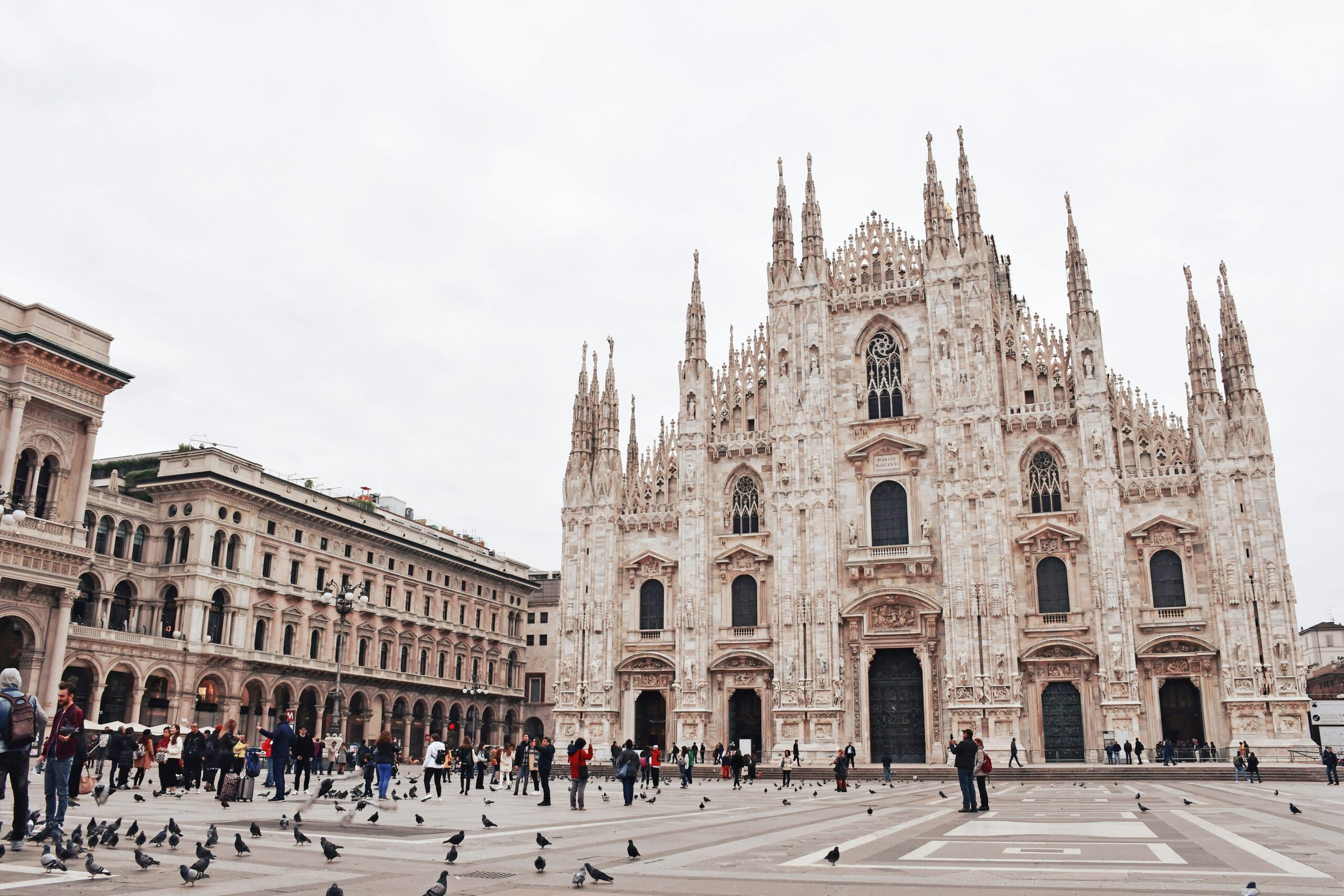
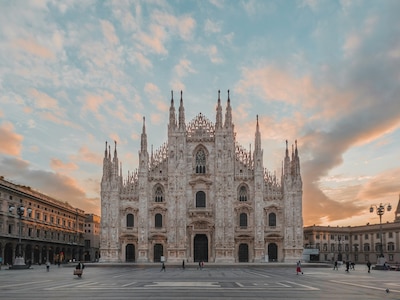
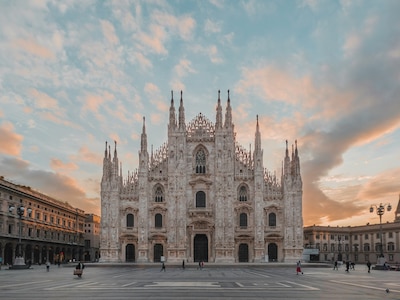
At the very centre of the city stands the magnificent Duomo di Milano, one of the largest and most elaborate Gothic cathedrals in the world. Construction began in the 14th century and spanned nearly 600 years, resulting in a masterpiece adorned with thousands of statues and delicate spires. The interior impresses with its soaring columns and stained-glass windows, while the rooftop terraces offer breathtaking views of Milan’s skyline.
Visiting the Duomo is one of the most iconic things to do in Milan. Whether admired from the bustling piazza or explored in depth, the Duomo captures the soul of Milan’s history and architectural ambition.
- Entry Fee: Cathedral €5, Rooftop €14 (stairs) / €16 (lift)
- Timings: 9:00 AM-7:00 PM
Galleria Vittorio Emanuele II
Just steps away from the Duomo lies the elegant Galleria Vittorio Emanuele II, a stunning 19th-century shopping arcade crowned with an iron-and-glass dome. Often described as Milan’s living room, the Galleria is home to luxury fashion houses, historic cafés, and refined restaurants. Even visitors not interested in shopping will appreciate its architectural beauty and vibrant atmosphere.
Walking through the Galleria is one of the most delightful things to see in Milan, offering a glimpse into the city’s sophisticated lifestyle and timeless elegance.
- Entry Fee: Free
- Timings: Open 24 hours (shops usually 10:00 AM-7:30 PM)
Castello Sforzesco
Castello Sforzesco is a vast medieval fortress that once served as a residence for Milan’s ruling families. Today, it houses several museums featuring Renaissance art, ancient artefacts, and historical collections. Located beside the expansive Parco Sempione, the castle forms an important cultural hub and is a key highlight among Milano’s tourist attractions.
The castle’s courtyards, towers, and museums provide an immersive journey into Milan’s political and artistic past.
- Entry Fee: €5 (museum access)
- Timings: 7:00 AM-7:30 PM
Art, Culture & World-Famous Masterpieces
Leonardo da Vinci’s The Last Supper
One of the most celebrated artworks in the world, The Last Supper by Leonardo da Vinci is housed in the refectory of Santa Maria delle Grazie. The painting’s emotional depth, innovative composition, and historical importance make it one of the most famous attractions in Milan.
Due to its fragile condition, visitor numbers are strictly limited, making advance booking essential. Viewing this masterpiece is a once-in-a-lifetime cultural experience.
- Entry Fee: €15
- Timings: Tuesday-Sunday, 8:15 AM-7:00 PM
Pinacoteca di Brera
The Pinacoteca di Brera is Milan’s premier art gallery, showcasing masterpieces from Italian artists spanning the 13th to the 20th century. Located in the artistic Brera district, the museum offers visitors insight into Italy’s artistic evolution through painting and sculpture.
For art enthusiasts, this gallery is one of the most enriching places to go in Milan, combining world-class collections with a refined cultural atmosphere.
- Entry Fee: €15
- Timings: Tuesday-Sunday, 8:30 AM -7:15 PM
Museo Poldi Pezzoli
Housed in a beautifully preserved 19th-century residence, Museo Poldi Pezzoli offers an intimate cultural experience. Its collections include Renaissance paintings, decorative arts, weaponry, textiles, and furniture. Unlike larger museums, this space allows visitors to appreciate art in a quiet, elegant setting.
It is a hidden gem among places to visit in Milan, especially for travellers who prefer depth over crowds.
- Entry Fee: €14
- Timings: Wednesday-Monday, 10:00 AM-6:00 PM
Districts and Places That Define Milan’s Character
Brera District
Brera is one of Milan’s most charming neighbourhoods, known for cobblestone streets, boutique shops, art studios, and lively cafés. Home to artists and creatives, the district exudes a relaxed yet cultured vibe. It is ideal for leisurely walks, people-watching, and evening dining.
Exploring Brera is among the most enjoyable things to do in Milan, especially for travellers seeking local culture beyond major landmarks.
- Entry Fee: Free
- Timings: Open all day
Navigli Canals
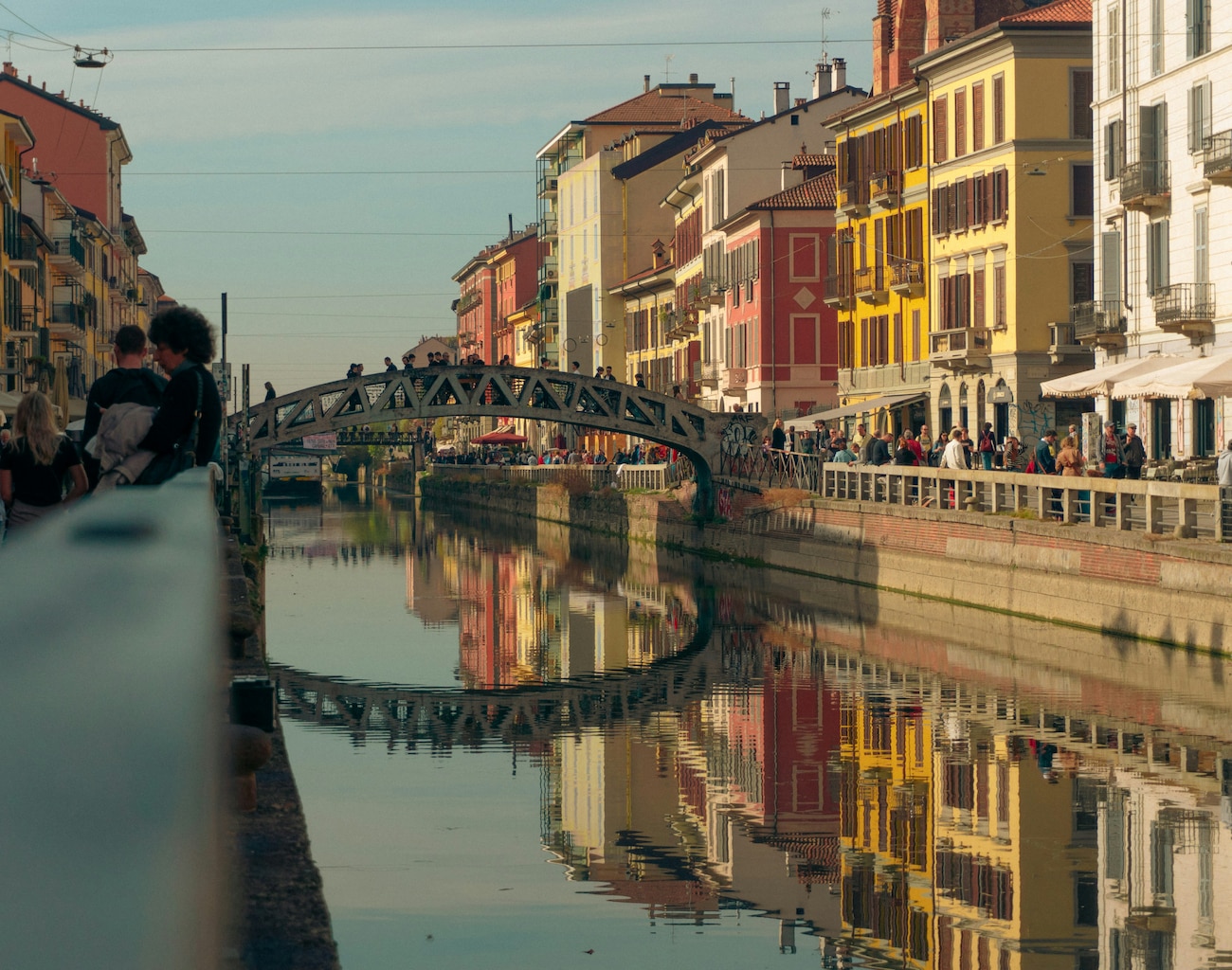
The Navigli district is famous for its historic canals, originally designed to transport goods into the city. Today, it is a lively neighbourhood known for nightlife, restaurants, and aperitivo culture. In the evenings, the canals glow with lights, creating a romantic and energetic atmosphere.
Navigli is one of the most popular places to go in Milan for socialising and experiencing modern Milanese life.
- Entry Fee: Free
- Timings: Accessible all day (best after 6:00 PM)
Teatro alla Scala
Teatro alla Scala is one of the world’s most prestigious opera houses and a cornerstone of Milan’s cultural identity. Known for exceptional acoustics and historic performances, La Scala has hosted legendary composers and performers for centuries.
Visitors can attend an opera or tour the museum to learn about its musical heritage, making it one of the most famous places in Milan in terms of its cultural importance.
- Entry Fee: €12 (museum)
- Timings: 9:30 AM-5:30 PM
Relaxation & Green Spaces
Parco Sempione & Arco della Pace
Parco Sempione is Milan’s largest green space, offering a peaceful retreat behind Castello Sforzesco. It is perfect for walking, picnicking, or simply relaxing after sightseeing. Nearby, the Arco della Pace stands as a striking neoclassical monument and a popular photography spot.
This area balances urban exploration with nature and ranks among the best places to visit in Milan for downtime.
- Entry Fee: Free
- Timings: 6:30 AM-9:00 PM
City Parks and Gardens
Beyond Parco Sempione, Milan features several smaller gardens and public squares that provide quiet escapes from busy streets. These green pockets allow travellers to slow down and recharge between sightseeing stops.
- Entry Fee: Free
- Timings: Open during daylight hours
Experiences Beyond the City
One of Milan’s biggest advantages is its excellent transport connectivity, making it easy to explore stunning destinations near Milan.
Lake Como
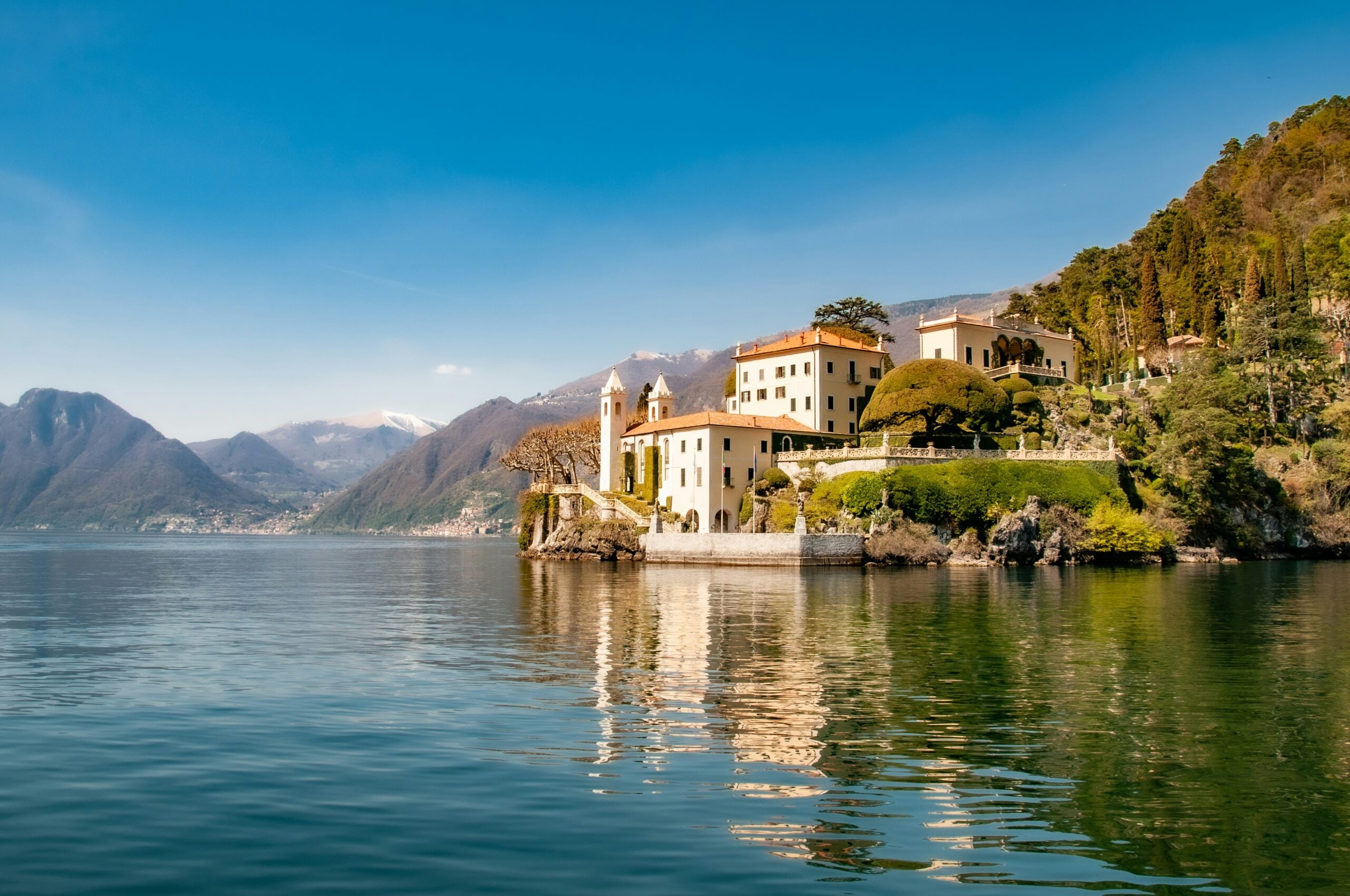
Located just an hour from Milan, Lake Como is renowned for its dramatic mountain scenery, crystal-clear waters, and charming lakeside towns. It is ideal for day trips featuring boat rides, scenic walks, and elegant villas.
- Entry Fee: Free (villa tickets extra)
- Timings: Daytime visits recommended
Bergamo
Bergamo’s historic upper town offers medieval streets, ancient walls, and panoramic views. It is a picturesque escape for history lovers and photographers.
- Entry Fee: Free
- Timings: Open all day
Lake Garda and Verona
Lake Garda’s serene waters and Verona’s romantic charm make them excellent additions to longer itineraries. Together, they offer nature, history, and cultural richness.
- Entry Fee: Free
- Timings: Best visited during daylight hours
Planning Your Trip: What to Include
Well-designed Milan tour packages often include guided city tours, Duomo access, The Last Supper, and nearby day trips. When planning your itinerary, balance history, culture, shopping, food, and relaxation to fully experience Milan’s diversity.
From iconic landmarks to neighbourhood strolls, these experiences form the essence of the best places to visit in Milan.
Milan is more than a fashion capital - it is a city of history, art, innovation, and vibrant local life. From legendary masterpieces and architectural wonders to lively districts and scenic escapes, Milan offers something for every traveller.
Exploring these famous attractions in Milan ensures a rich, rewarding journey—making Milan a true jewel of Italy and one of Europe’s most captivating destinations.
Seasonal Tips & Practical Travel Insights
Milan’s appeal changes with the seasons. Spring and autumn offer comfortable temperatures for walking tours and outdoor dining. Winter features fashion events and festive lights. It's a good idea to book popular attractions in advance, especially for Duomo access and da Vinci’s mural, to avoid sold-out situations. Getting around the city is efficient, as Milan’s metro, trams, and buses make it easy to reach all major places to visit in Milan. If you plan to do a lot of sightseeing, consider buying a city travel pass.
FAQs
Q1. What is the “hidden” canal district in Milan that only a few tourists know about?
Many visitors are surprised to discover the Navigli canals, partly designed by Leonardo da Vinci. Once vital for transporting marble used in building the Duomo, these canals now form a lively yet often overlooked area filled with small galleries, aperitivo spots and artisan workshops.
Q2. Is it true you can visit Leonardo da Vinci’s vineyard in Milan?
Yes. Leonardo was gifted a vineyard near Santa Maria delle Grazie, where The Last Supper is located. The vineyard, La Vigna di Leonardo, has been restored and can be visited, offering a rare glimpse into the artist’s personal life beyond museums.
Q3. Why do locals avoid eating near the Duomo at certain times?
Many Milanese steer clear of restaurants around the Duomo during peak hours due to inflated prices and tourist-focused menus. Instead, they favour neighbourhoods like Brera or Isola, where the food is more authentic and the atmosphere far more relaxed.
Q4. What makes Milan’s fashion district interesting even if you don’t shop?
The Quadrilatero della Moda isn’t just about luxury shopping. The area is full of elegant courtyards, historic palazzi and quiet side streets that reveal Milan’s architectural sophistication, making it worth exploring even without stepping into a boutique.
Q5. Why does Milan feel quieter on Sunday afternoons?
Unlike many European cities, Milan slows down noticeably on Sundays as locals prioritise family time. Many shops close early, giving travellers a rare chance to experience the city at a gentler pace and enjoy cultural sites without the usual crowds.





 83 videos








Post your Comment
Please let us know your thoughts on this story by leaving a comment.