



China is a land of a gigantic territory and rich history, offering a wealth of sights and experiences for every traveller. The top and famous tourist attractions in China include iconic historical sites like the Great Wall and Forbidden City, ancient wonders like the Terracotta Army, and spectacular natural landscapes of the Li River.
One of the world’s most captivating travel destinations, China is a land of age-old history and high-tech development. Being the third-largest territory in the world, China has all types of landscapes that are all worth exploring. From north-western deserts to majestic mountains, from south-eastern beaches to green, serene countryside and from the warm tropics of Xishuangbanna to the frozen ice and snow world in Harbin, the country is known for offering a variety of experiences to travellers. With numerous points of interest, China attracts every type of tourist from across the world.
Top Tourist Attractions in China
Make your trip planning easier with this list of the most famous tourist attractions in China.
- The Great Wall of China
- Zhangjiajie National Forest Park
- Li River
- Forbidden City
- Terracotta Army
- West Lake
- Potala Palace
- The Summer Palace
- Mount Huangshan
- Shanghai Bund
The Great Wall of China
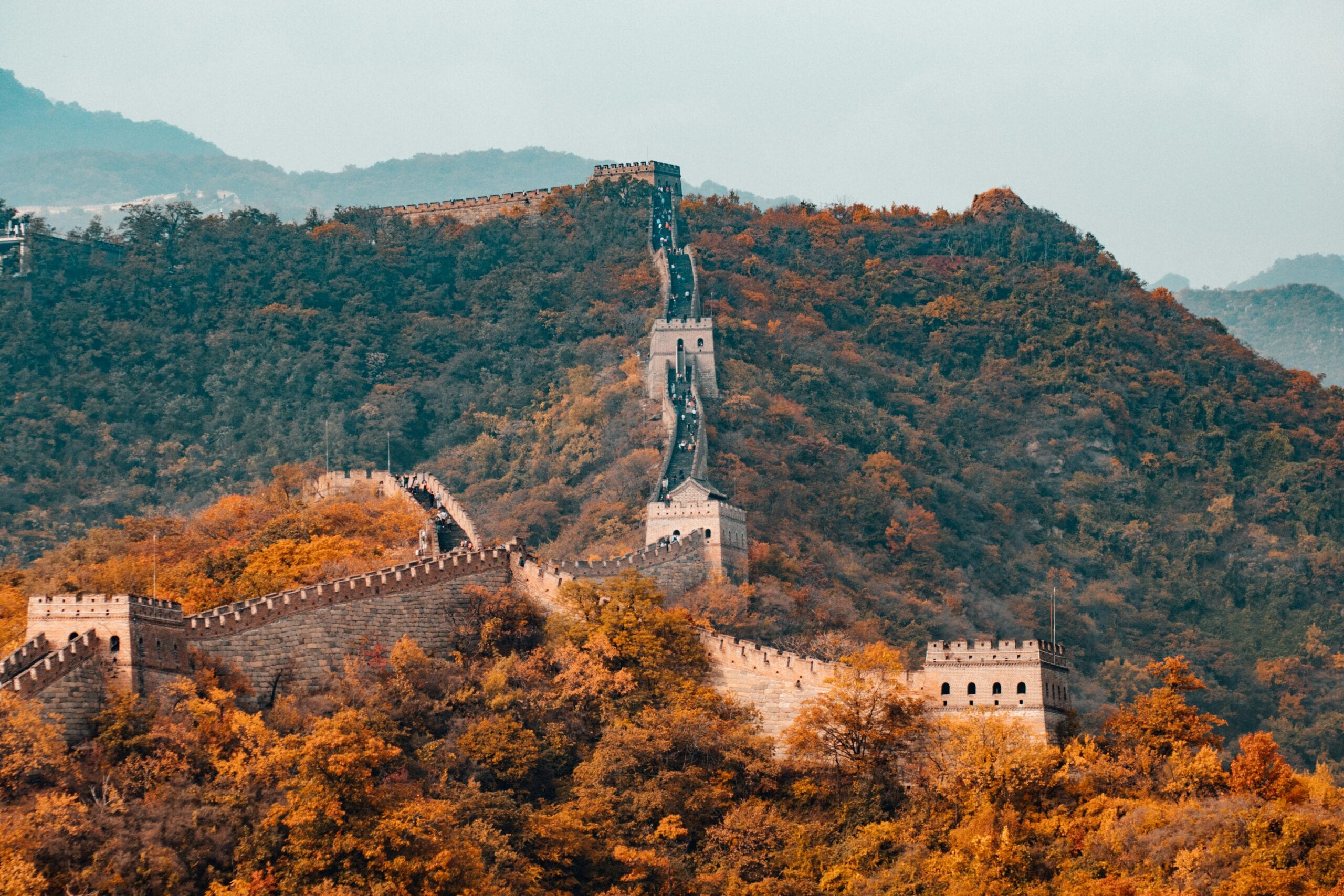
The most iconic and famous place of China, the Great Wall, stretches over 8,800 km across northern China. Built as an ancient defensive fort, it is also considered one of the Seven Wonders of the World and a UNESCO World Heritage Site. One of the longest man-made structures in the world, this landmark was originally built to protect the Chinese states from northern attacks. The Great Wall spans through various terrains and regions, each offering a unique experience. The sections near Beijing, such as Badaling and Mutianyu, are the most popular due to their accessibility and well-preserved nature. With a meticulously designed Great Wall tour package, tourists can find the opportunity to enjoy the magnificent sights of this place.
Location - Huairou District, China
Highlights
- Perfect for hiking and photography.
- Enjoy well-lit night views of the Simatai section that features traditional opera, light shows, and dancing.
Entry fees - It depends on the section of the Great Wall to be visited, ranging from 45 CNY to 200 CNY.
Zhangjiajie National Forest Park
One of the best places to admire the natural beauty and sights, Zhangjiajie National Forest Park attracts tourists with its dense forests and majestic mountains. This natural wonder holds a special place in China tourism. It is famous for inspiring the floating mountains in the movie Avatar. This National Forest Park is home to towering sandstone pillars that rise above the forest, creating a surreal and awe-inspiring landscape. With over 3,000 pillars, some reaching over 200 metres in height, the park is a paradise for nature lovers and photographers.
Location - Wulingyuan District, Zhangjiajie, Hunan
Highlights
- Unique sandstone formations.
- The world’s longest glass bridge (Zhangjiajie Glass Bridge).
- Stunning views of forests, ravines, and valleys.
Entry fees – 227 CNY
Li River
The next in the list of the best tourist places in China, the Li River connects the stunning downtown Guilin with Yangshuo, the riverside town. For those in search of natural beauty, the Li River in Guilin offers one of the most picturesque landscapes in the world. Surrounded by limestone karsts, this river cruise is a serene journey through China’s countryside. Visitors will be treated to mist-covered mountains, traditional fishing villages, and beautiful caves. The Li River’s charm is enhanced by the famous Guilin Mountains and Waters scenery, which has been an inspiration for many Chinese paintings and poems.
Location - Northeast Guangxi
Highlights
- Stunning karst landscape.
- Relaxing boat cruise through the countryside.
- Scenic views that are perfect for photography.
Entry fees – Free
The Forbidden City
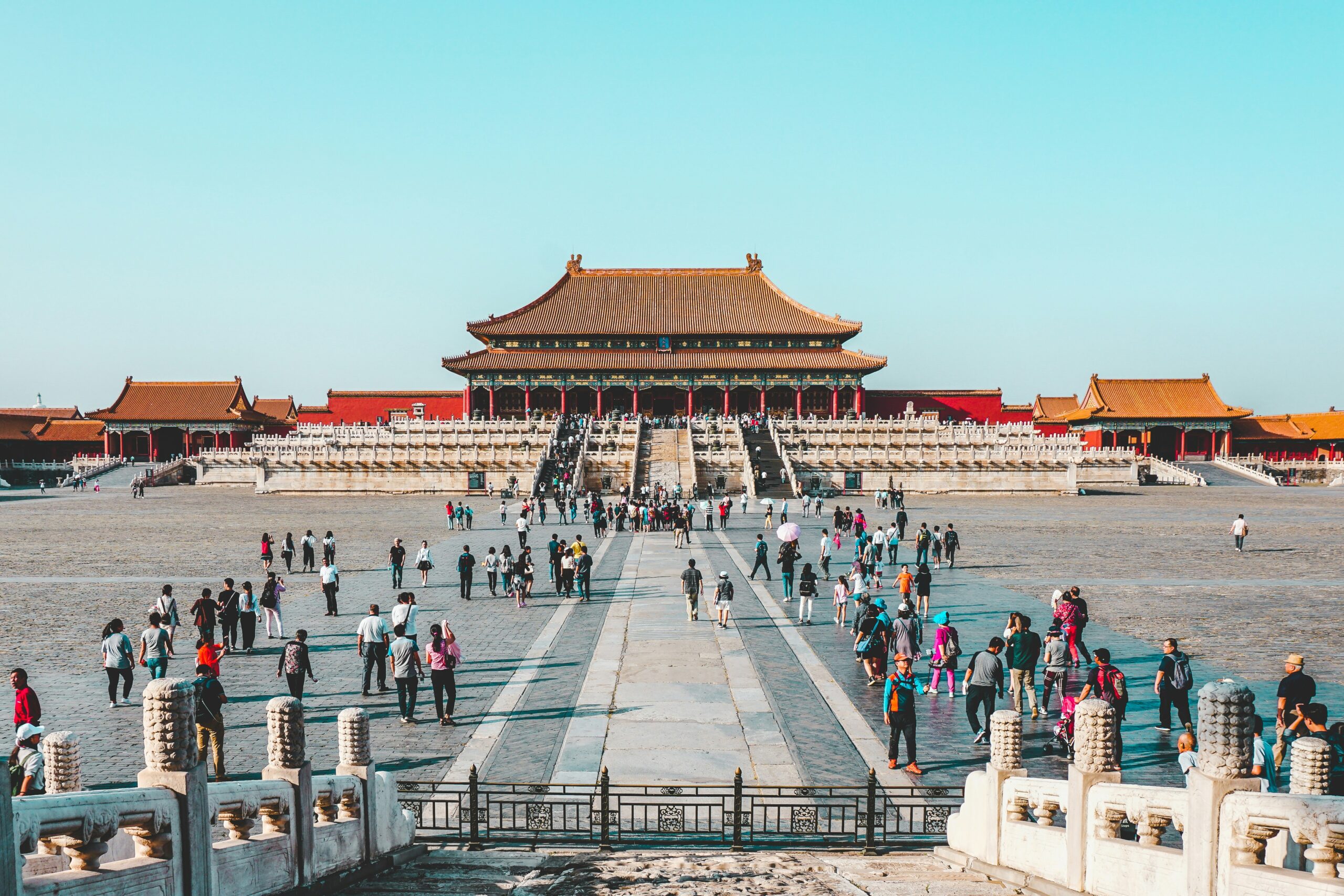
Another famous tourist attraction in China, the Forbidden City is located in the heart of Beijing. The city served as the imperial palace for 24 Ming and Qing Dynasty emperors for 560 years. This enormous palace complex has over 8,000 rooms characterised by traditional Chinese palatial architecture with golden roofs and red walls. Now a UNESCO World Heritage Site and museum, it houses invaluable cultural relics and offers a glimpse into China's imperial history and grandeur. It is recognised as one of the world's most important palace complexes.
Location - 4 Jingshan Front St, Dongcheng, Beijing
Highlights
- A rich collection of Chinese imperial artefacts.
- Magnificent architecture and design.
- UNESCO World Heritage site.
Entry fees – 60 CNY (during peak season) and 40 CNY (Off-peak season)
Terracotta Army
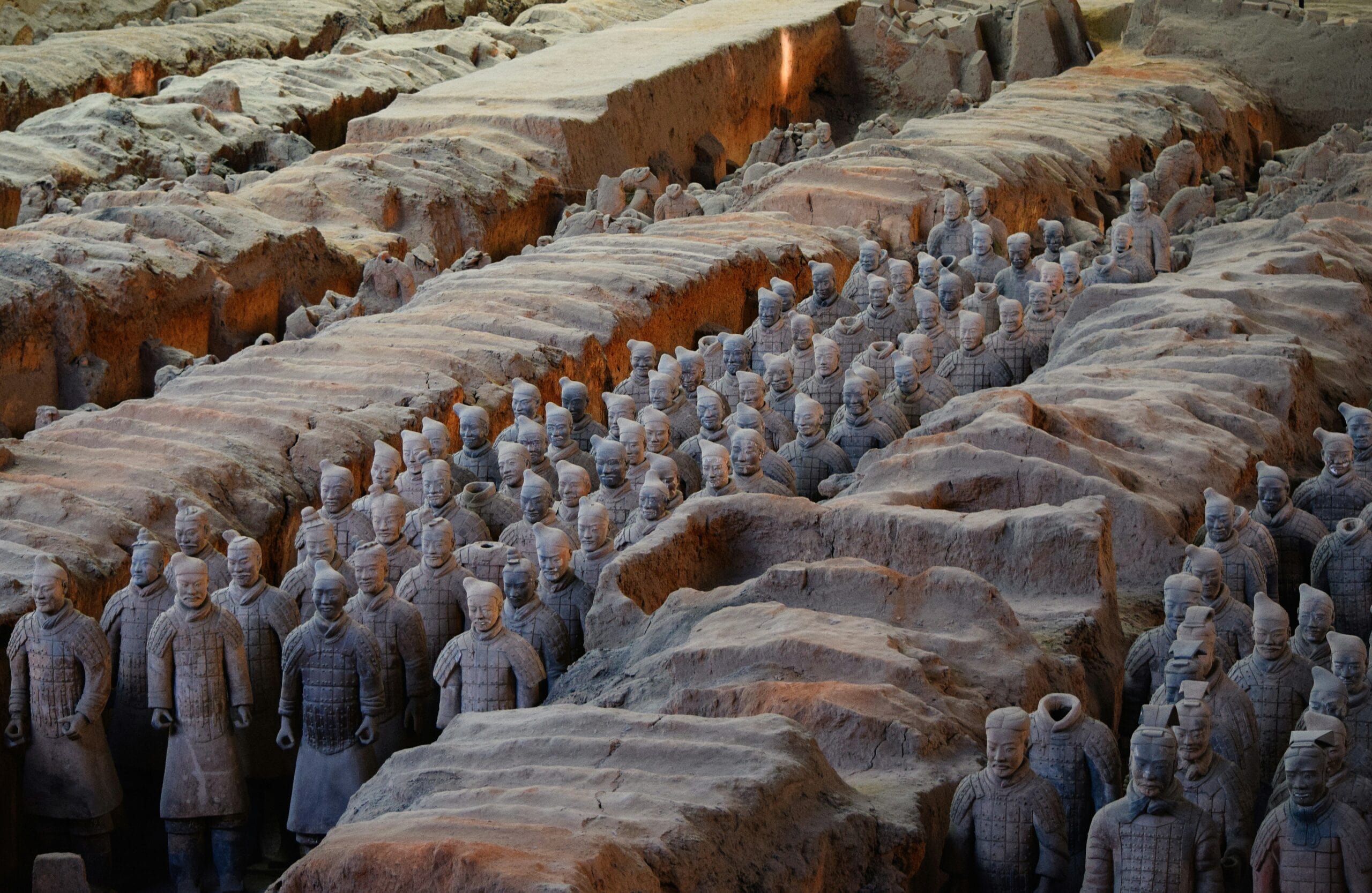
One of the most remarkable claims to fame in China’s tourism industry, the Terracotta Army was discovered by farmers in 1974. This underground, life-size terracotta army was built by Qin Shi Huang, the first emperor of China, in the 3rd century BCE. The army consists of over 8,000 life-sized terracotta soldiers, each with unique facial expressions and attire. These soldiers were created to protect the tomb of Qin Shi Huang in the afterlife. Today, the Terracotta Warriors have become a UNESCO World Heritage site and the best tourist spot in China.
Location - Lintong District, Xi'an, Shaanxi,
Highlights
- A glimpse into ancient burial practices.
- Over 8,000 lifelike statues, each with unique features.
- A remarkable archaeological site.
Entry fees - 120 CNY
West Lake
West Lake in Hangzhou is a symbol of natural beauty and cultural history in China. One of the best tourist attractions in China, West Lake is known for its calm waters, pagodas, and lotus-filled ponds. This gorgeous place has inspired poets, artists, and emperors throughout Chinese history, due to its striking beauty and serenity. Visitors can enjoy a boat ride on the lake, stroll along its scenic paths, or visit the nearby temples and tea plantations. West Lake’s serene atmosphere makes it a perfect spot to relax away from the chaos of city life.
Location - 82 Beishan Road, Hangzhou
Highlights
- Picturesque views of lotus ponds, pagodas, and islands.
- Historical significance in Chinese culture.
- Great for leisurely boat rides and walks.
Entry fees - Free
Potala Palace
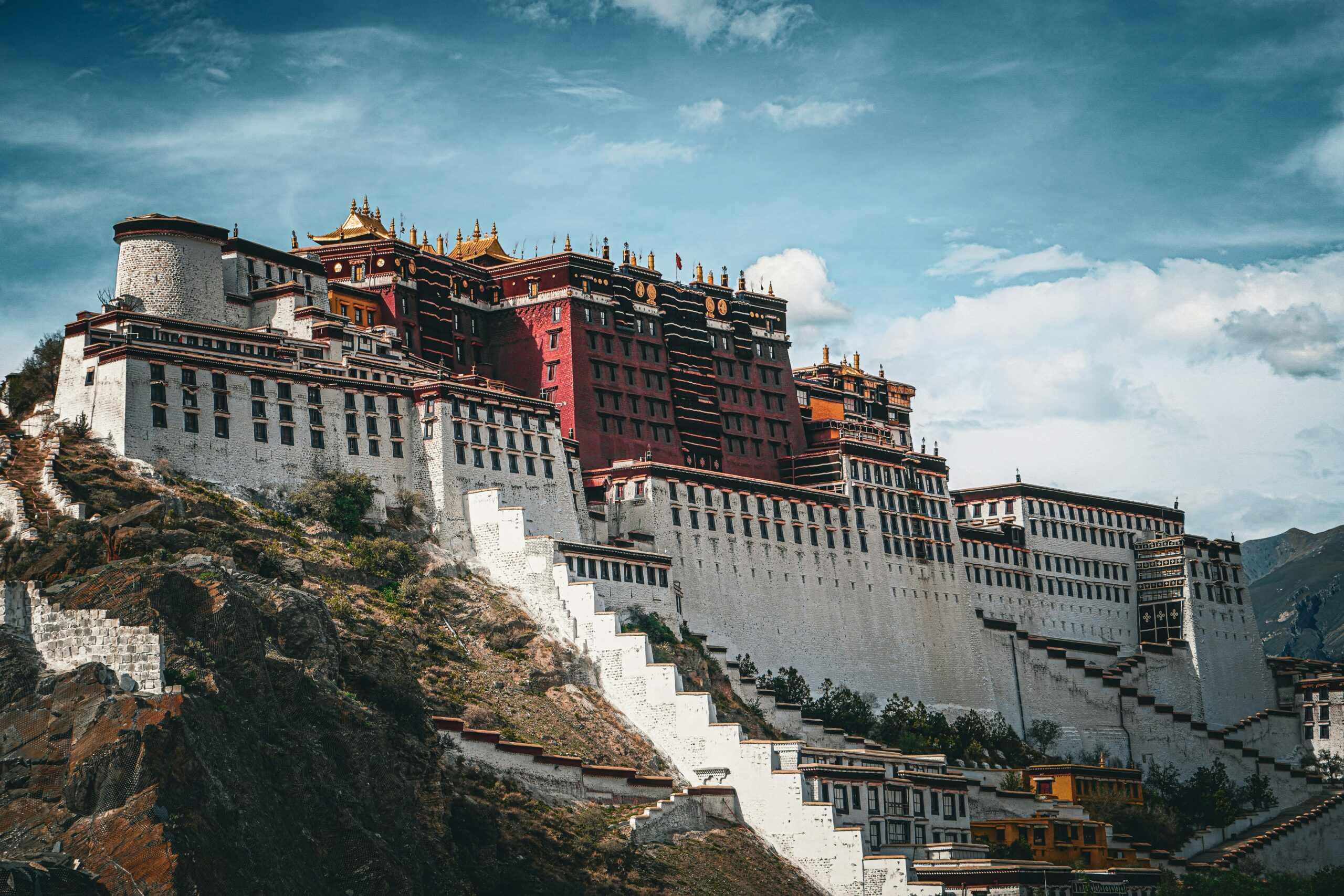
One of the top tourist attractions in China, the Potala Palace is located in the Tibetan capital of Lhasa. It is one of the most significant cultural landmarks in the capital of the Tibetan Autonomous Region of China. Built in the 7th century, this palace was once the winter residence of the Dalai Lama. Situated on the Red Mountain, the Potala Palace is a mix of Tibetan Buddhist traditions and striking design. It is home to sacred relics, murals, and chapels, offering visitors insight into Tibetan culture and religion.
Location - Gongqian Alley, Beijing Middle Road, Chengguan District, Lhasa, China
Highlights
- Iconic Tibetan architecture.
- Sacred Buddhist relics and art.
- Panoramic views of Lhasa.
Entry fees – 200 CNY (during peak season) and 100 CNY (Off-peak season)
The Summer Palace
The Summer Palace is a huge imperial garden and palace complex that served as the summer retreat for Chinese rulers. This famous place in China was built during the Qing Dynasty. The palace is built around the large Kunming Lake, offering beautiful views and a peaceful escape from the busy city. The gardens, pavilions, temples, and bridges create a serene atmosphere that makes it one of the most scenic spots in Beijing.
Location - Xinjian Gongmen, Haidian District, Beijing
Highlights
- Beautiful imperial gardens and lakes.
- Classical Chinese architecture.
- Peaceful, scenic environment.
Entry fees – 30 CNY (during peak season) and 20 CNY (Off-peak season)
Mount Huangshan
One of the best things to do in China is to witness the dramatic landscape of the Yellow Mountains or Mount Huangshan. It is known for its granite summits, centuries-old pine trees, and a sea of clouds. The mountain range has been a favourite place of artists and poets for centuries. Visitors can hike the various trails or take a cable car to reach the peak and enjoy the views. A UNESCO World Heritage site, Mount Huangshan is considered one of the most beautiful mountain ranges in the world.
Location - Anhui Province, Mount Huangshan
Highlights
- Unique granite peaks and ancient pine trees.
- The presence of clouds and mist gives it a fairyland landscape.
- Hiking trails with stunning views and unique scenery for photography
Entry fees – 190 CNY (during peak season) and 150 CNY (Off-peak season)
Shanghai Bund
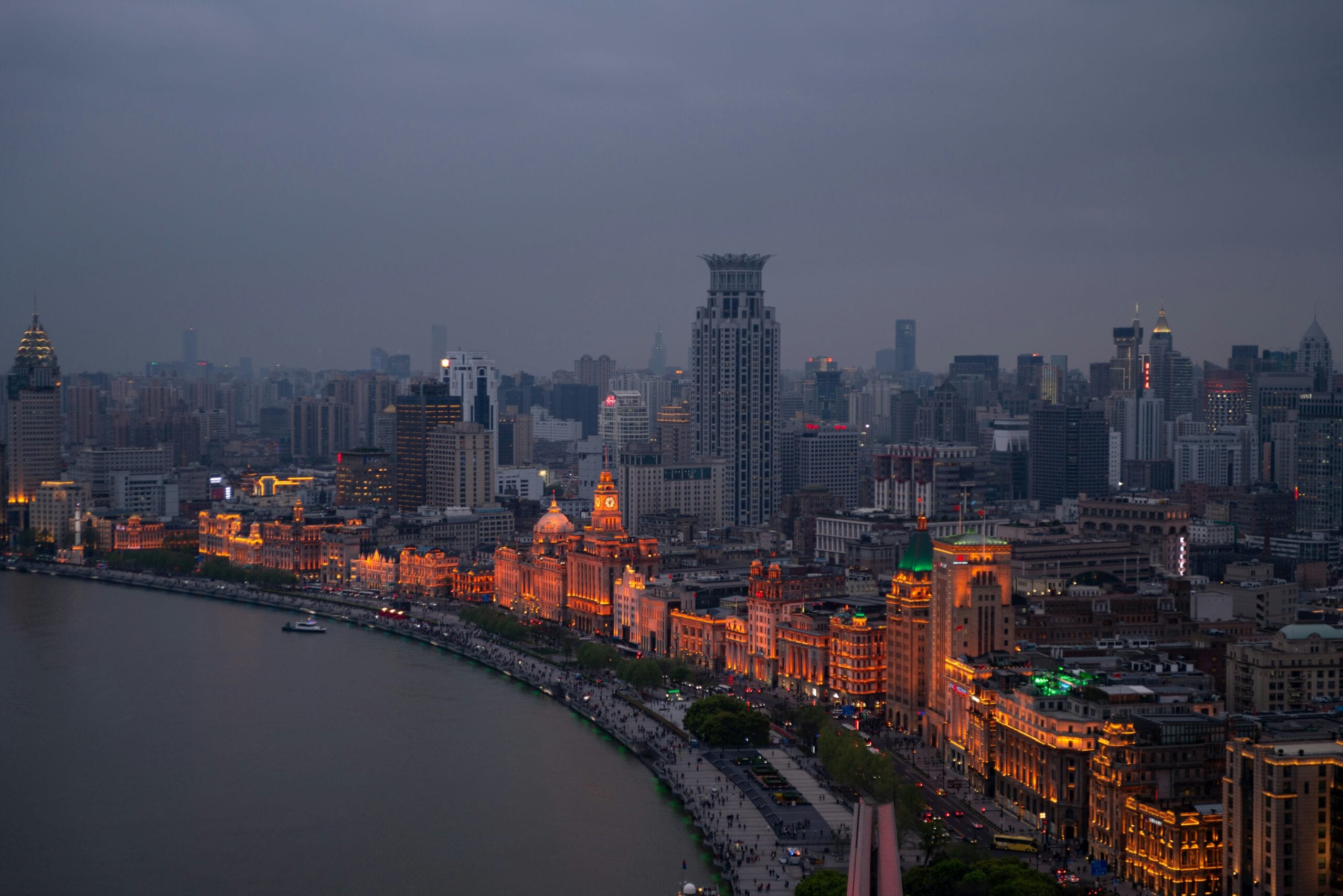
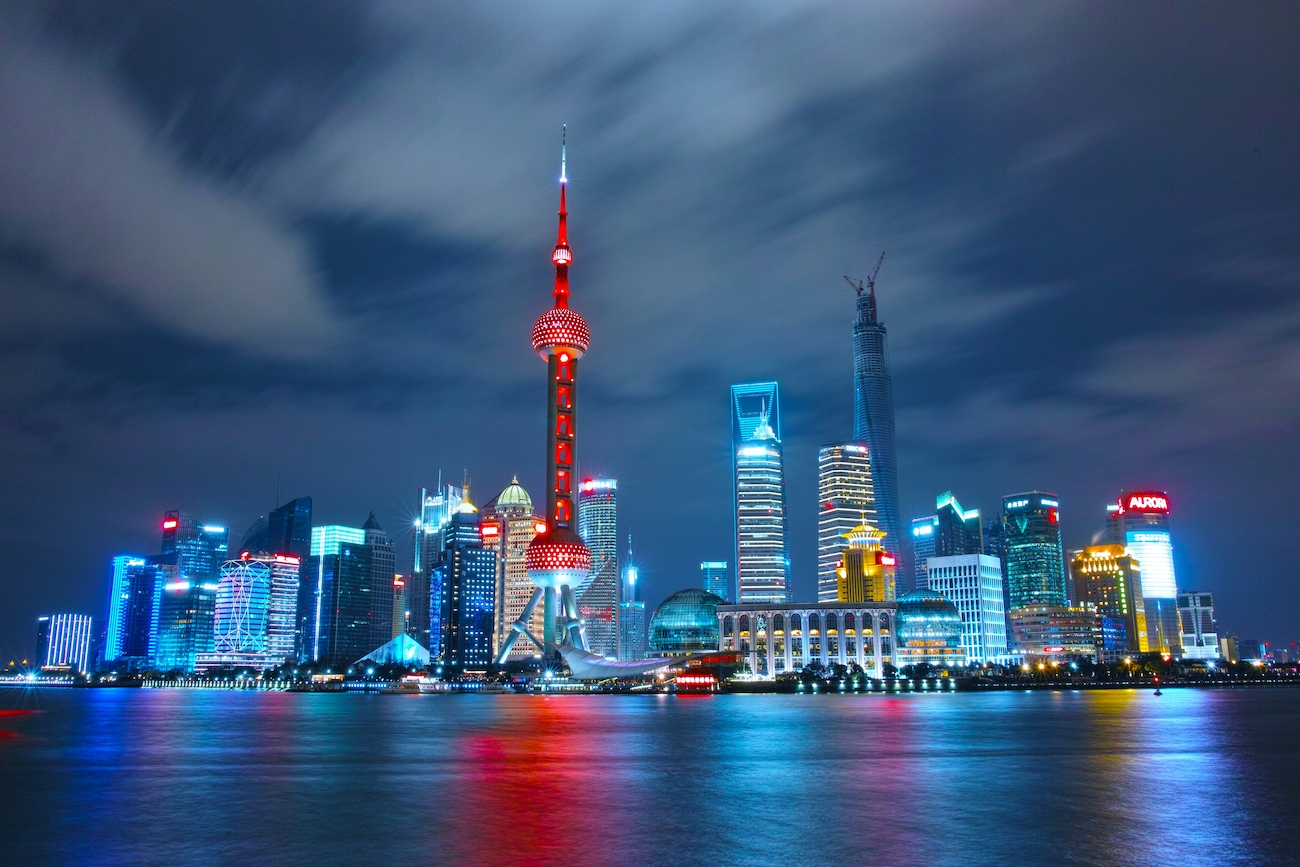
The next in the list of famous tourist attractions in China, the Bund is Shanghai’s most famous waterfront area. It is known for offering striking sights of the colonial-era architecture and contemporary skyscrapers in the city. The promenade along the Huangpu River is lined with historical buildings that showcase Shanghai's colonial past. On the opposite side of the river, the ultramodern skyline of Pudong has Shanghai Tower and the Oriental Pearl TV Tower. It’s the perfect place to experience the blend of history and innovation in Shanghai.
Location - Zhongshan Rd (E-1), Waitan, Huangpu, Shanghai,
Highlights
- Outstanding views of the Shanghai skyline.
- Ideal for walking and photography, especially at night.
- A perfect combination of colonial-era architecture and modern skyscrapers.
Entry fees - Free
China is home to nature, modernity and adventure, making it a true paradise for travellers. With a range of China tour packages from Veena World, you can enjoy an unforgettable journey personalised to your interests.
FAQs
Q1. Why do people consider the Giant Panda breeding center in Chengdu "the panda paradise"?
The Chengdu Research Base of Giant Panda Breeding is called "panda paradise" because it offers a unique, almost magical experience where visitors can see pandas in their natural-like environment. It’s not just a zoo - it’s a dedicated research center working on panda conservation. The facility provides an immersive experience, with researchers actively studying the pandas, and it even allows visitors to learn about the breeding, behaviour, and challenges of preserving this endangered species. For true panda lovers, there’s also the chance to volunteer and assist with panda care!
Q2. What’s hidden under the Yangtze River's Three Gorges Dam?
The Three Gorges Dam, the world’s largest hydropower station, sits on the Yangtze River, but beneath its waters lies an entire submerged world. Before the dam was constructed, many ancient towns, villages, and archaeological sites were flooded, and several hundred thousand people had to relocate. Among the hidden gems are temples, ruins, and even entire cities that are now underwater. This hidden history remains an intriguing and little-known aspect of the dam’s construction.
Q3. Why is Lijiang’s Old Town considered "alive" by its residents?
Lijiang Old Town in Yunnan Province is often described as "alive" because of its unique way of blending history, culture, and daily life. Unlike many ancient towns that feel more like living museums, Lijiang has a vibrant, ongoing life. The streets are still used by locals for everyday activities - people cook, wash clothes, and sell produce just as they did hundreds of years ago. The town is built around the water system that has been in use for centuries, making it not only a UNESCO World Heritage site but also a deeply functional and active community.
Q4. What’s the "mystery" behind the Rainbow Mountains of Zhangye?
The Rainbow Mountains of Zhangye, located in Gansu Province, are known for their vibrant, multicoloured stripes that look almost otherworldly. The strange thing? These colours aren’t painted on! The layers of reds, yellows, and greens are naturally formed by millions of years of geological processes. What’s less known is that the Rainbow Mountains were once hidden for centuries, and it was only in the 1990s that they became a popular tourist destination after geologists discovered their uniqueness. The colours are caused by mineral-rich deposits that date back to the Cretaceous period.
Q5. What makes the Temple of Heaven in Beijing different from other temples?
The Temple of Heaven in Beijing is unlike most temples in China because it was designed not as a place of worship for the public, but as a site for imperial ceremonies. Every year, the emperor would visit the temple to perform rituals to ensure a good harvest for the country. The temple's layout is symbolic, with its circular shape representing heaven and the square platform representing earth, symbolising the harmony between the two. The design of the temple and its surroundings reflects the principles of cosmology and Confucian thought, making it both a spiritual and architectural marvel.





 83 videos













Post your Comment
Please let us know your thoughts on this story by leaving a comment.