


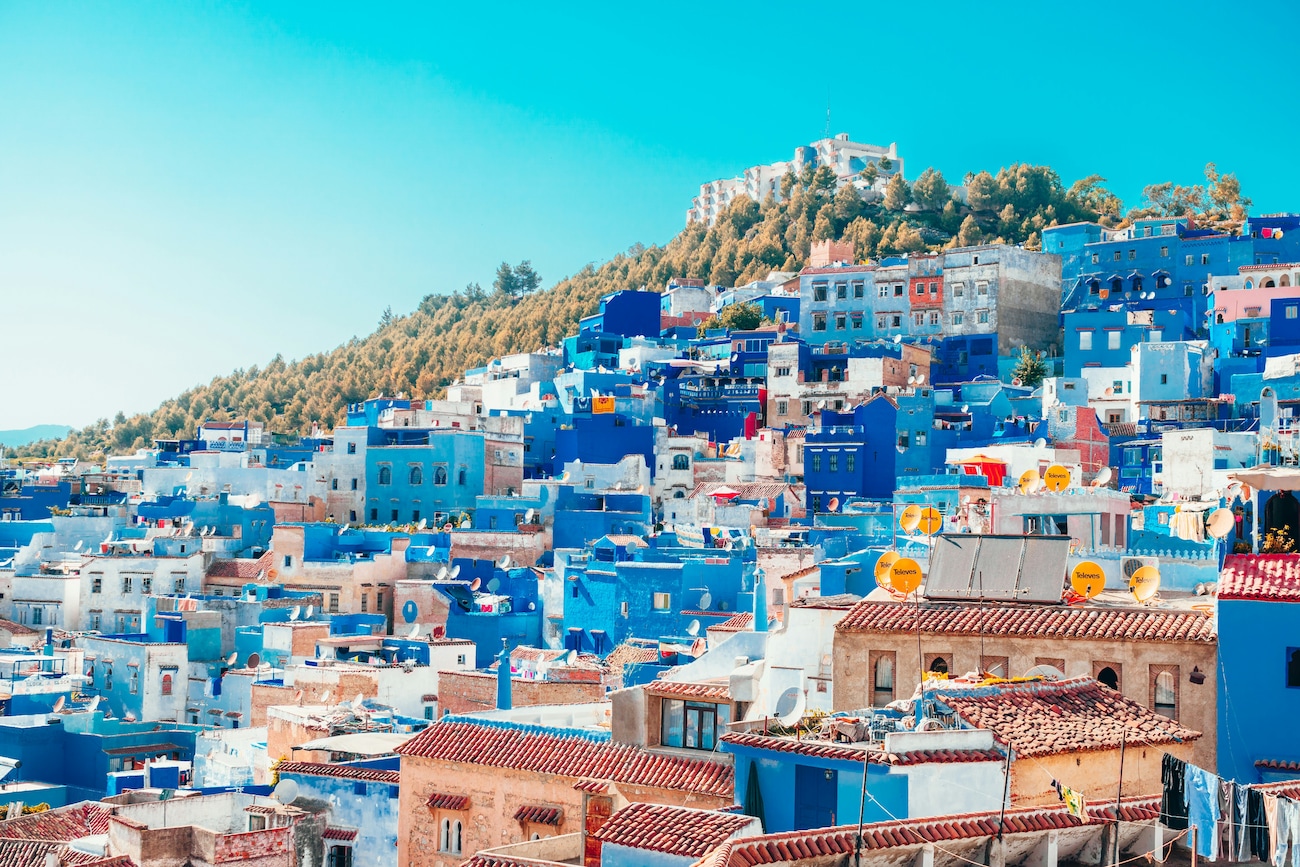

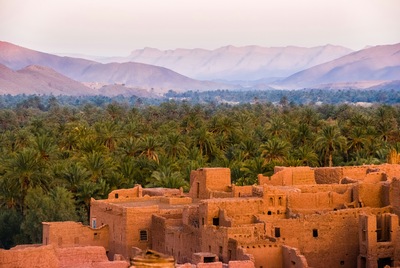
Morocco is a captivating destination known for its rich culture, scenic landscapes and historic charm. From vibrant cities like Marrakech and Casablanca to peaceful mountain villages and coastal escapes, it offers something for every traveller. With lively souks, ancient medinas, beaches and mountain trails, Morocco delivers unforgettable experiences filled with culture, adventure and warm hospitality.
Morocco has long been a beloved North African destination, enchanting travellers with its deep history, colourful culture and remarkably diverse landscapes. Celebrated for its authentic Berber heritage, aromatic cuisine and stunning natural wonders, the country offers something for every kind of explorer. Among its many highlights, the Atlas Mountains and the serene Ourika Valley truly stand out, blending age-old traditions with awe-inspiring scenery. Whether you’re looking for thrilling adventures, peaceful retreats or rich cultural immersion, Morocco delivers experiences that are both unforgettable and deeply meaningful for every visitor.
Why Travel to Morocco?
Morocco offers an incredible fusion of African, Arab and European influences. Just a short flight from Europe, it surprises travellers with its remarkable diversity - from coastal escapes and mountain landscapes to cultural treasures and vast desert experiences. From lively medinas to peaceful highland retreats, Morocco caters to every kind of traveller. What truly sets the country apart is its people, whose genuine warmth and hospitality make visitors feel instantly welcome. Everywhere you go, you’ll meet friendly locals, reflecting the heart and soul of Moroccan culture.
What are the Places to See in Morocco?
- Casablanca
- Marrakech
- Tangier
- Rabat
- Agadir
- Essaouira
- Imlil
- Taghazout
- Tetouan
Casablanca
The largest and most modern city in Morocco, it is a vibrant coastal metropolis bordered by the Atlantic Ocean and home to the country’s most important port. The city blends contemporary sophistication with rich cultural heritage, reflected in its striking architecture, bustling neighbourhoods, and palm-lined boulevards. At its heart lies the Medina, one of Morocco’s largest, known for its eclectic atmosphere, art-deco structures, and charming traditional markets. The iconic Hassan II Mosque, the second-largest in Africa and seventh-largest in the world, dominates the skyline and remains Casablanca’s most famous attraction. Along the coastline, pristine beaches offer a range of activities such as jet-skiing, boating, and diving. European-style cafés, French bakeries, and lively souks give visitors a taste of Casablanca’s cosmopolitan lifestyle. Whether exploring the old markets or relaxing by the luxurious La Corniche, the city offers an authentic and immersive Moroccan experience unlike any other.
Timing & Entry Fees (Key Attraction – Hassan II Mosque):
Visiting Hours: Saturday to Thursday- 9 AM, 10 AM, 11 AM & 3 PM (guided tours only)
Entry Fees: Adults: 130 MAD, Children (up to 12 years): 30 MAD, Students: 65 MAD
Marrakech
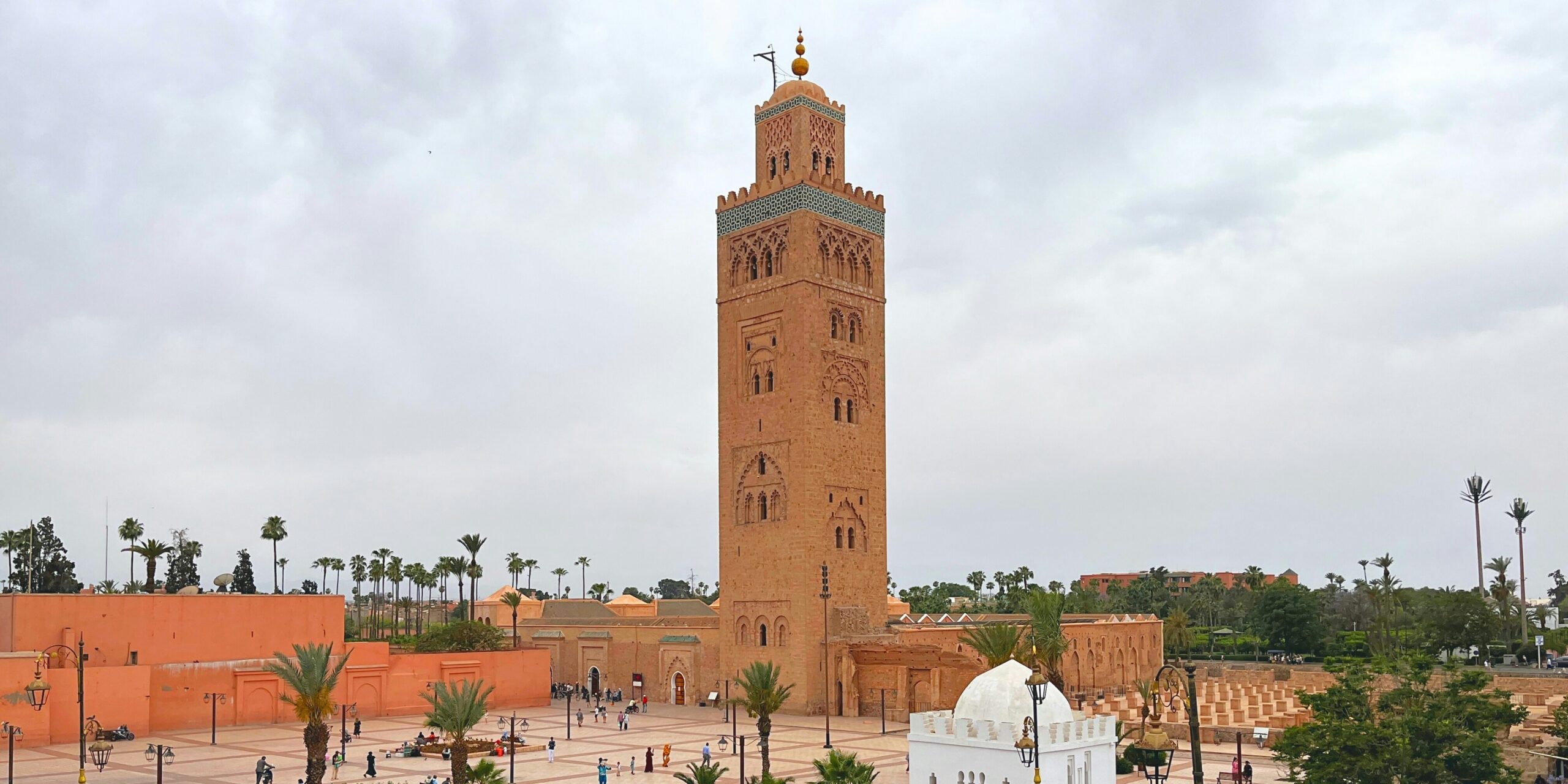
Marrakech, the third-largest city in Morocco, sits at the base of the Atlas Mountains and blends ancient charm with modern vibrance. Its two distinct areas - the historic Medina and the contemporary Gueliz, offer a perfect mix of tradition and modernity. The Medina, a UNESCO World Heritage Site, is filled with narrow lanes, colourful souks, and cultural landmarks, while Gueliz features stylish cafés, boutiques, and modern attractions. Famous sites like Jemaa el-Fnaa and the lively souks make Marrakech one of the best places to visit in Morocco for culture, shopping, and history enthusiasts.
Visiting Hours & Entry Fees (Key Attractions):
Jemaa el-Fnaa: Open 24 hours, Entry: Free
Bahia Palace: 9 AM-5 PM, Entry: 70 MAD
Majorelle Garden: 8 AM-6:30 PM, Entry: 120 MAD (Garden), 50 MAD (Museum)
Tangier
Tangier, where Europe meets Africa across the Strait of Gibraltar, is a vibrant coastal city blending French, Spanish, Portuguese, and African influences. Known for its lively Medina, scenic beaches, Kasbah, and charming cafés, Tangier offers a perfect mix of culture and relaxation. Iconic sites like the Caves of Hercules, Grand Socco, and Mendoubia Gardens make it one of the famous places in Morocco. Its romantic sunsets and rich heritage attract travellers worldwide.
Best Time to Visit: March to May and September to November, when the weather is pleasant and ideal for sightseeing.
Rabat
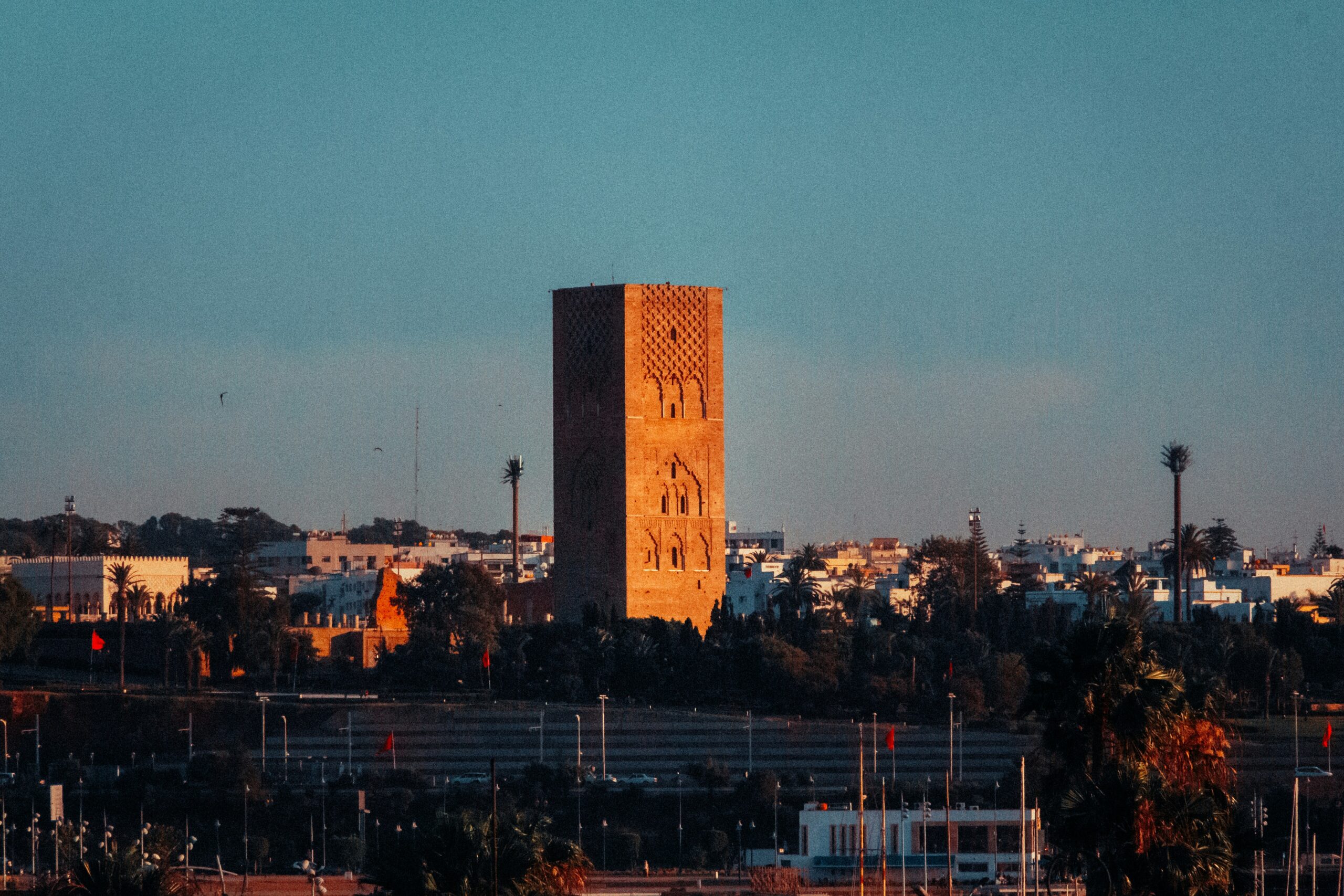
Rabat, the capital of Morocco, sits gracefully along the Atlantic coast and the Bouregreg River. Blending French colonial, Islamic, and Berber influences, it is one of the most popular cities in Morocco and a designated UNESCO World Heritage Site. Divided into the historic Medina and the modern Ville Nouvelle, Rabat offers ancient ruins, charming cafés, vibrant street art, and peaceful seaside views. It’s an ideal starting point for travellers and a relaxing escape from busier Moroccan destinations. Half-day walking or food tours are perfect for exploring its calm charm.
Best Time to Visit: March to May and September to November.
Agadir
Agadir, set along the South Atlantic coast and backed by the Anti-Atlas mountains, is one of the best places to visit in Morocco for a relaxed seaside escape. Known for its crescent-shaped beach, lively promenade, cafés, and year-round sunshine, it offers a perfect blend of coastal charm and desert vibes. Visitors can enjoy the 10-km seafront, explore the Agadir Kasbah, or take trips to Souss-Massa National Park and Taroudant. With fewer crowds than other beach towns, Agadir is ideal for a peaceful getaway filled with sun, sea, and scenic landscapes.
Best Time to Visit: March to June and September to November.
Essaouira
Essaouira, a charming port city on Morocco’s Atlantic coast, is a scenic blend of history, culture and seaside beauty often included in Morocco tour packages. Its 18th-century city walls, UNESCO-listed Medina, and bohemian atmosphere make it perfect for leisurely walks through souks, art galleries and narrow lanes. The crescent-shaped beach is a haven for water-sports enthusiasts, offering surfing, windsurfing and kitesurfing. Visitors can also enjoy camel or horse rides, quad biking, and yacht trips from Ranch de Diabet. With its white-and-blue houses, relaxed vibe and breathtaking coastal views, Essaouira is an ideal retreat away from the bustle of Marrakech.
Best Time to Visit: April to June and September to November.
Imlil
Imlil, nestled in the High Atlas Mountains, is a paradise for trekkers and a top highlight among the things to do in Morocco. This scenic village serves as the main base for the ascent to Mount Toubkal, North Africa’s highest peak at 4,167 metres. It will be a two-day trek that requires an authorised guide and includes an overnight stay at a mountain refuge. Beyond Toubkal, Imlil offers numerous scenic trails, charming valleys and peaceful Berber villages to explore. Just an hour from Marrakech, it’s an ideal escape for hikers and nature lovers seeking cooler weather and stunning mountain views.
Best Time to Visit: April to June and September to October.
Taghazout
Located 19 km north of Agadir, Taghazout is a charming fishing village on Morocco’s Atlantic coast. It is known for its hipster vibe, serene sea views, and blue-and-white coastal houses. The pastel-lined streets, cosy cafés, and relaxed atmosphere make it perfect for beach lovers. Taghazout is especially popular among surfers, offering spots like Devil's Rock, Panorama Beach, Hash Point, and Killer Point. Visitors can also enjoy shopping, hiking, and yoga. The lush Paradise Valley, with an easy hiking trail, is just 30 minutes away. Less crowded than typical resort towns, Taghazout is ideal for a peaceful beach holiday filled with swimming, surfing, and sunbathing.
Best time to visit: September to November.
Tetouan
Tetouan, located on Morocco’s Mediterranean coast, is a charming city famous for its UNESCO-listed medina and distinctive Spanish-style architecture. Surrounded by forested limestone mountains, it is celebrated for its craftsmanship and musical heritage, earning a place in the UNESCO Creative Cities Network. Often called “Little Jerusalem” and the “sister of Fez,” Tetouan beautifully blends diverse cultural influences. Visitors can explore its historic Royal Palace, hilltop Kasbah, and fascinating museums, making it one of the most captivating places to see in Morocco. A peaceful retreat near Tangier and Chefchaouen, the city offers a calm countryside ambience and rich heritage.
Best time to visit: March to June and September to November.
Morocco is a land of extraordinary contrasts, offering travellers an unforgettable blend of culture, landscapes and history. From vibrant cities like Marrakech and Casablanca to peaceful retreats such as Imlil and Essaouira, every destination has its own charm. Whether you’re exploring ancient medinas, relaxing on sun-kissed beaches or trekking through the Atlas Mountains, Morocco promises experiences that stay with you forever. With its warm hospitality, diverse attractions and timeless beauty, it remains one of the best places to visit in Morocco for every kind of traveller.
FAQs
Q1. Is Marrakech overwhelming for first-time visitors?
It can be, however, stepping beyond the busiest souks into quieter quarters like the Kasbah or the Mellah, and exploring early in the morning, reveals a calmer, more atmospheric side of the city.
Q2. Is the Sahara experience the same in Merzouga and Zagora?
Not quite. Merzouga offers towering golden dunes ideal for classic desert photos, while Zagora has lower, rockier landscapes but is easier to reach and great for shorter camel treks.
Q3. Are Chefchaouen’s blue streets just for photos?
They are picturesque, but the appeal goes deeper - its medina has a gentle pace, local craft studios and mountain viewpoints that create a relaxed, village-like feel beyond the Instagram spots.
Q4. Is Fes more traditional than Marrakech?
The Fes medina has a more historic, lived-in atmosphere with fewer modern touches. Exploring with a guide helps navigate its maze-like lanes and unlock artisan workshops.
Q5. Is Casablanca worth visiting if I’m short on time?
If time is tight, focus on the Hassan II Mosque and the Corniche. The city is more modern than Morocco’s imperial centres, but its architecture, cafés and seaside promenades offer a distinct urban flavour.





 86 videos








Post your Comment
Please let us know your thoughts on this story by leaving a comment.