



Published in the Sunday Vijay Karnataka on 22 September, 2024
Everyone is doing their best for the future of the next generation, contributing as much as they can. We must do the same.
Have you ever strolled along Shimla’s Mall Road? It’s a wonderful experience. As a tour manager, I always enjoyed taking tourists to Shimla Mall Road during our tours. I would look forward to it, eagerly awaiting that refreshing walk. Even today, the charm of that road remains unchanged. The same joy can be felt while walking along the Mall Road or Main Markets of hill stations like Nainital, Darjeeling, Ooty, Mussoorie, Panchmarhi, Shillong, Dalhousie, Kodaikanal, and Matheran. In most of these places, vehicles are banned on the Mall Road, leaving us free to stroll and enjoy the space. While the British ruled us for 150 years, they also left behind some treasures—many hill stations were established during their time, built in a colonial style to escape the heat. Today, those same hill stations offer us relief and comfort during summer.
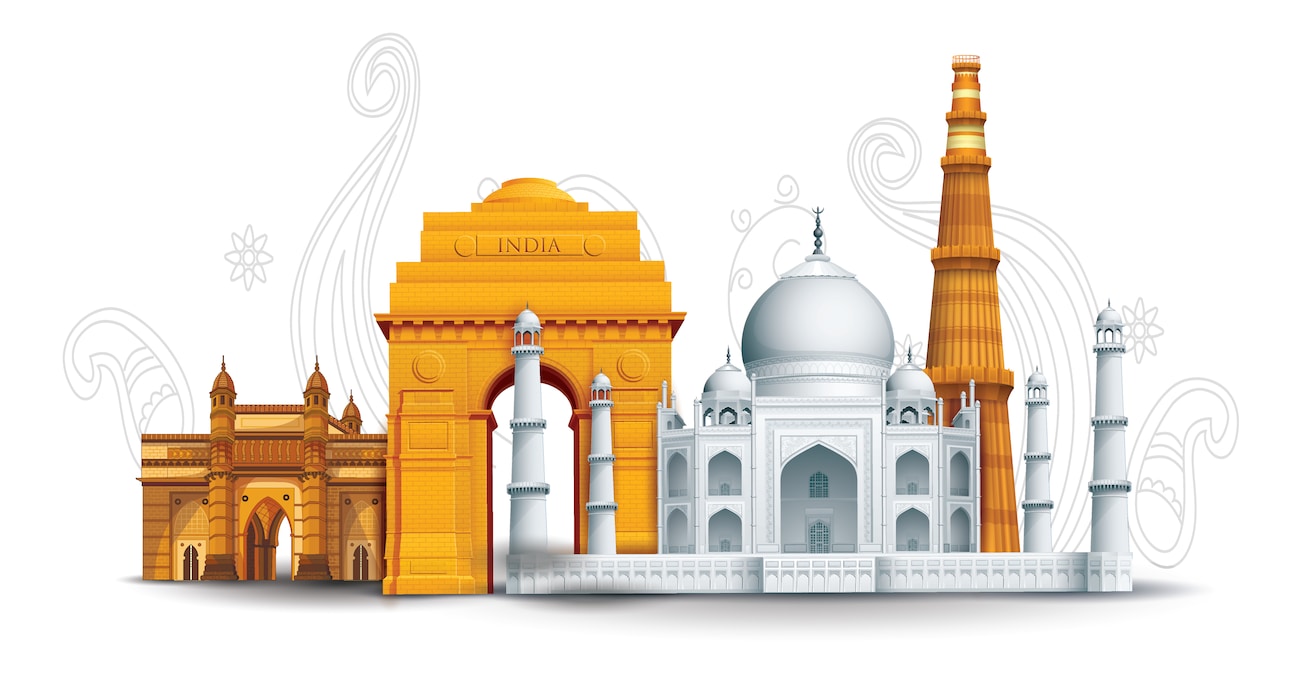
Last week, I received an invitation for the Garden Festival at Rashtrapati Bhavan. Entry for Indians is available between February 2nd and March 31st, from 10 AM to 5 PM, through Gate No. 35. While entry is free, prior registration is required. Rashtrapati Bhavan, originally built as the Viceroy’s House during British rule, is spread over 320 acres with 340 rooms and several grand halls. It’s the second-largest residence in the world for any Head of State, second only to the Quirinal Palace in Italy. Another British-era marvel is the Victoria Memorial in Kolkata. Similarly, iconic landmarks like the Parliament House in Delhi and the Gateway of India in Mumbai were designed during the British era. Cities like Mumbai, Kolkata, Chennai, and Bangalore were also developed under their influence. Our vast Indian Railway network, the fourth largest in the world after the USA, Russia, and China, began during British rule. They introduced essential systems like administration, modern education, hospitals, and trade networks that are crucial for the world today. Though they profited greatly from us, and opinions about their rule vary, history cannot be changed—only learned from. We might as well appreciate the benefits left behind, even if it means extending a rare "thank you" to our former oppressors.
India’s architectural and cultural heritage is rich. From the Red Fort in Delhi and the Taj Mahal in Agra to the Rajput strongholds like the Mehrangarh Fort in Jodhpur and the Golden Fort in Jaisalmer. The grand Amer Fort in Jaipur, the forts of Chittorgarh and Kumbhalgarh, the Phalaknuma Palace in Hyderabad, and World Heritage sites like Hampi, the Khajuraho Temples, the Konark Sun Temple, Sanchi Stupa, Ajanta and Ellora Caves, and the Meenakshi Temple in Madurai are testaments to our history. The ruins of Nalanda University and Victoria Terminus in Mumbai are just a fraction of the immense wealth our ancestors have left us. From Emperor Ashoka, Mughal rulers, Chhatrapati Shivaji Maharaj, the Chandela dynasty, to the Maharajas of Mysore and the Pandian kings, every era has left its legacy for future generations. We owe them our gratitude.
Last week, a major travel exhibition was held in Mumbai, attracting travel agents from all over the world. Our office was bustling with activity, providing a golden opportunity to meet with our partners, including the Veena World team. One day, our office was filled with Kashmiri hoteliers, transporters, and restaurateurs as we planned tours to Kashmir. Everyone remarked how much Kashmir has changed in recent years. While we have witnessed this transformation over the past five or six years, I was curious to hear directly from our Kashmiri partners, so I kept asking them, “How’s Kashmir now? Do you feel any real change?” The responses were overwhelmingly positive. Comments like "It’s much better now, no issues," "Tourism has increased, the youth are engaged in work, and stone-pelting incidents have ended," and "You won’t recognize Dal Lake, it’s so clean now" were common. If this progress continues, Kashmir will soon become one of the world’s top tourist destinations. The government’s efforts have had a positive impact, and we must continue to support and foster goodwill.
The COVID pandemic tested us in ways we never imagined. Incomes halted, yet housing loan installments continued. Although banks provided some relief, those who owned their homes—whether inherited or self-owned—had a significant advantage during that time. I’m sure many thanked their parents for such foresight. And if not, there’s no harm in doing so now. It’s never too late to say thank you. Of course, those without property shouldn’t hold it against their ancestors. Everyone is doing their best for future generations, just as we must.
A new trend I’ve been hearing lately is couples deciding not to have children. While some might find this admirable or think there are valid reasons, I believe it’s a very selfish mindset. We have experienced life and its joys, and it is our duty to bring new life into this world and allow others to experience it too. And not just one child, but at least two. Whether a policy exists or not, the government should consider providing incentives for the second child. India should remain a young nation. The average age of an Indian is currently 28 years. In contrast, the average age in Europe is 45 to 50 years, 40 years in England, 50 years in Japan, 38 years in Australia, 41 years in Canada, and 40 years in China. Our neighboring countries like Pakistan and Afghanistan have even younger populations. A country’s strength lies in its youth, and we must continue to nurture future generations.
The other day, I had lunch with Mr. Amit Mehta, Regional Manager for South East Asia, Middle East, and Africa at Malaysian Airlines, along with M. Krishna, Sales Manager for Western India. We chatted about various topics, including Mumbai’s traffic. After discussing the daily hassles, Mr. Amit said something that stuck with me: "Every morning and evening, I join my hands and thank God for giving me another day." It’s true—we should be grateful for every moment. Mumbai’s traffic may be unpredictable. Some days you reach home in 15 minutes, while other days, thanks to the constant digging, it may take over an hour. But then, you see a sign on the road that says, "For the bright future of Mumbai," and you find peace.






 83 videos
















Post your Comment
Please let us know your thoughts on this story by leaving a comment.