Quick Summary
Sri Lanka is an island nation off India known for history, culture, natural beauty, and especially delicious seafood.
The story of serendipity in Sri Lanka traces back to a Persian fairy tale about princes searching for the lost city of Serendip.
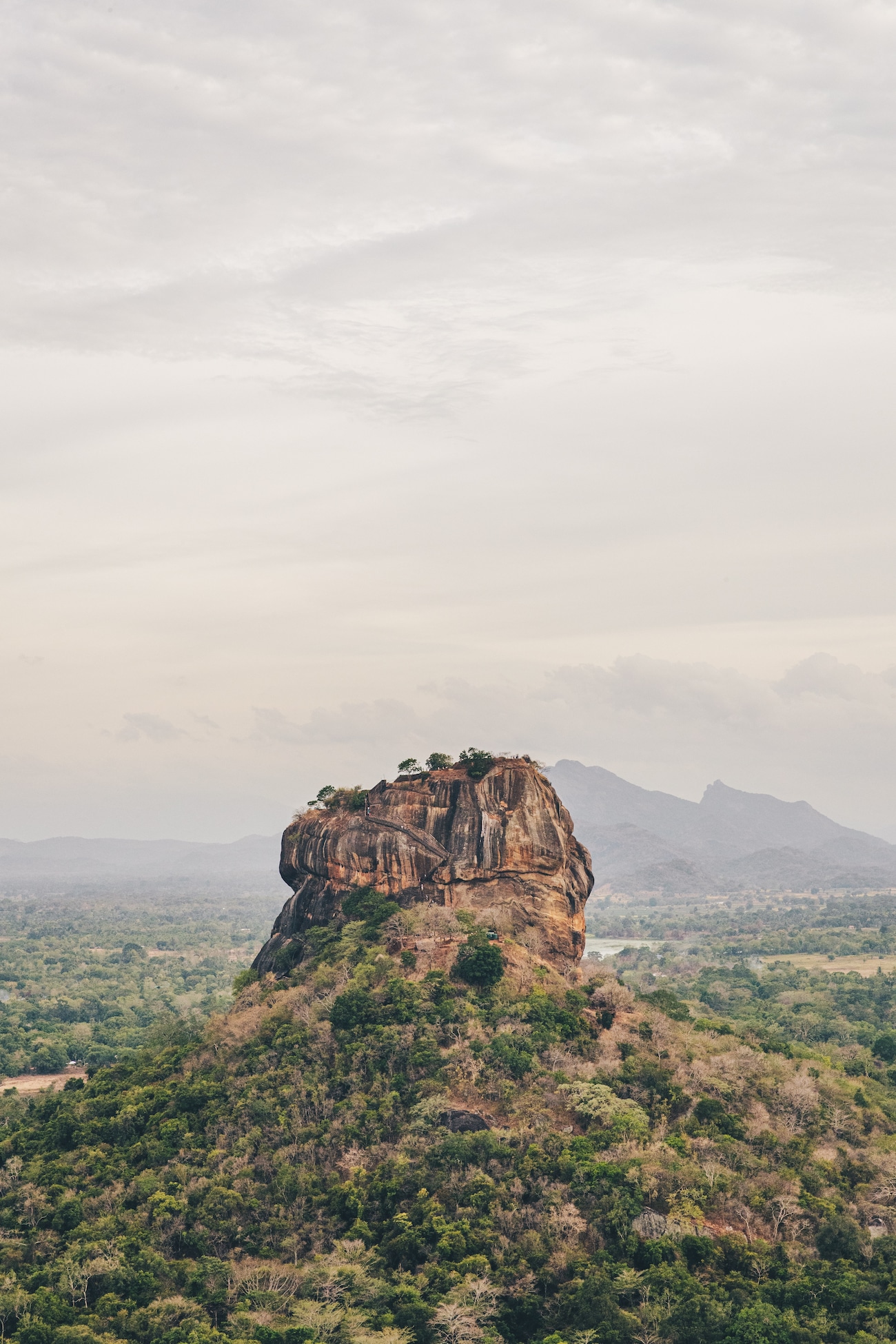
Prince Kasyapa’s hunting trip led to a hidden cave filled with treasure and ultimately the founding of Sigiriya, meaning Lion Rock.
Visit Sigiriya near Dambulla to see the massive 180 m rock, ancient frescoes, and the iconic lion-shaped gateway.
Sigiriya’s palace complex was later used as a Buddhist monastery until the 14th century.
Sigiriya is a UNESCO World Heritage Site and one of the best preserved examples of ancient urban planning.
We all know that Sri Lanka is an island nation located off the coast of India that is known for its rich history, culture, and natural beauty. And how can we forget the food, especially the seafood! But today, we go back into history and look at a super interesting story about Sri Lanka.
In ancient times, Sri Lanka was known as the land of serendipity, a place where people made unexpected and fortuitous discoveries. The word "serendipity" is actually derived from an old Persian fairy tale that was popular in Sri Lanka, in which three princes made many accidental discoveries while searching for the lost city of Serendip.
Now one of the most famous serendipitous discoveries in Sri Lanka was made by a young prince named Kasyapa. He was out hunting one day when he saw a beautiful white elephant. The elephant led him to a hidden cave, which was filled with treasure. This discovery led to the founding of the city of Sigiriya, which means "Lion Rock" in Sinhala.
Sigiriya is located near the town of Dambulla in Sri Lanka. It is a site of historical and archaeological significance that is dominated by a massive column of rock approximately 180 m (590 ft) high.
Prince Kasyapa, when he became king, built his palace on top of this rock and decorated its sides with colourful frescoes. On a small plateau about halfway up the side of this rock he built a gateway in the form of an enormous lion. The capital and the royal palace were abandoned after the king's death. It was used as a Buddhist Monastery until the 14th century. Sigiriya today is listed on UNESCO World Heritage Site list. It is one of the best preserved examples of ancient urban planning. Let us know if you have been here.










 92 videos









Post your Comment
Please let us know your thoughts on this story by leaving a comment.