Quick Summary
The Chinese Lantern Festival is celebrated on the 15th day of the lunar year, originally linked to Han dynasty Buddhist lantern lighting.
It honors the Buddha and grew after an emperor approved lantern lighting in palaces and temples.
The festival marks the last day of the Chinese calendar and the first full moon of the new year.
Letting lanterns go symbolizes releasing your past and starting fresh for the coming year.
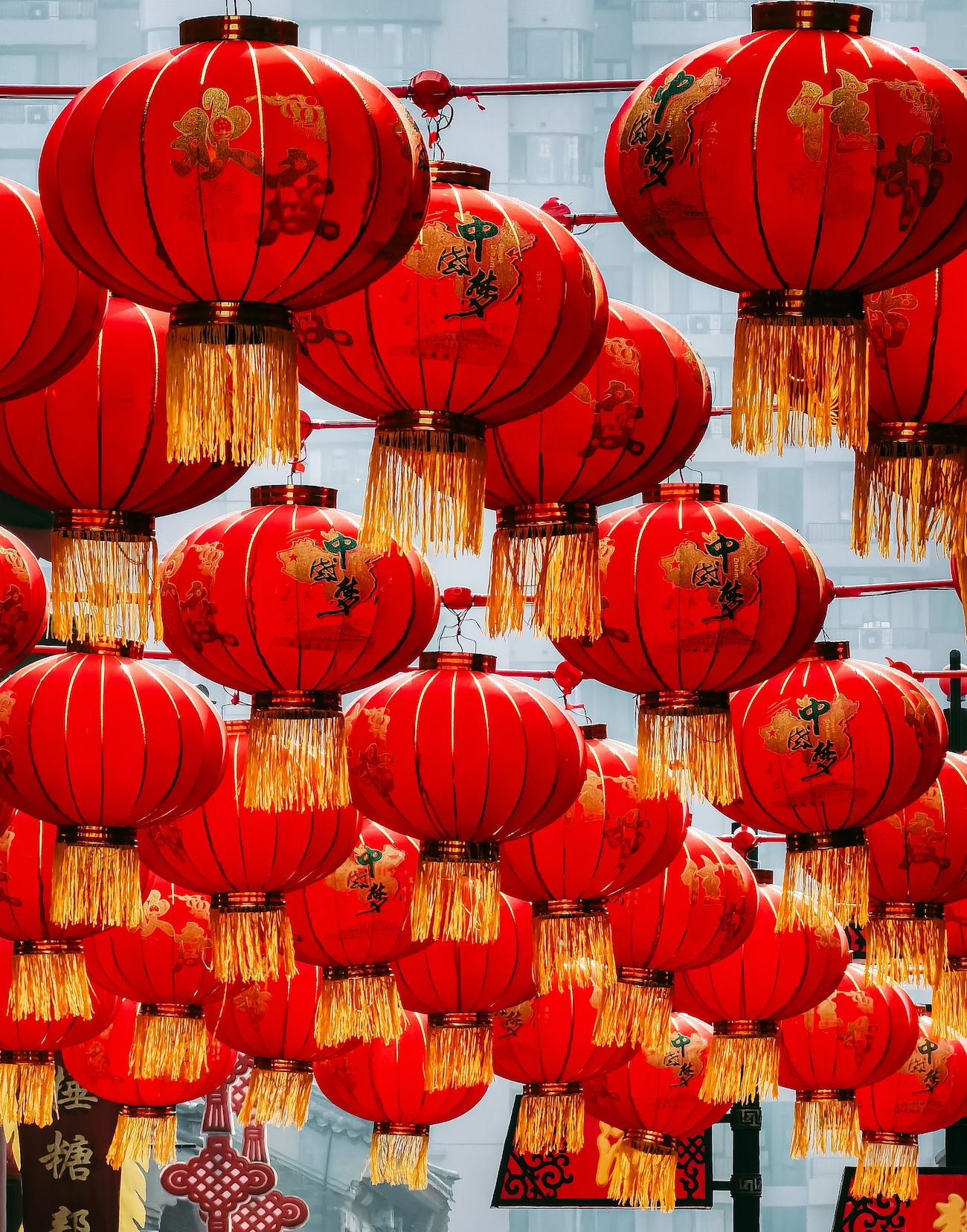
You can spot palace, gauze, and shadow-picture lanterns, plus homes decorated with lanterns and riddle notes.
Expect lively lion and dragon dances, parades, and fireworks during the celebrations.
Throughout history, traditions have formed an important part of different cultures around the world. And it is these traditions that have given us beautiful festivals. One such mesmerising and popular festival is the Lantern Festival celebrated in many parts of Asia and one that is super popular, especially among the Chinese.
So let us decode the famous Lantern Festival. For starters, the Lantern Festival has been known to have originated during the Han dynasty between 206 BC to 220 AD when Buddhist monks would light lanterns on the 15th day of the lunar year in honour of the Buddha. So when an emperor heard about this tradition followed by the monks and ordered to light the lanterns in the palace and temple on that particular day to show respect. With the emperor's stamp of approval, the festival flourished from the Central Plains to the whole of China. The festival also marks the last day of the Chinese calendar and the first full moon day of the coming year!
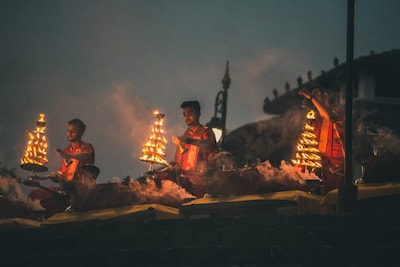
So on the last day of the Chinese year, tradition says that the lanterns that are let go in the sky act as a symbol of letting our past selves go and having a new start from the next day of the year! Now for this very purpose, three different types of lanterns are used: the palace lantern, gauze lantern, and shadow-picture lantern. Throughout the festival, houses are decorated with colourful lanterns, and some even have riddles written on them; if the riddle is answered correctly, the solver earns a small gift. Festival celebrations also include lion and dragon dances, parades, and fireworks.
So like we said at the start, such traditions have given us festivals, and these festivals bring us joy. The day we stop getting excited and fascinated by such beautiful traditions, is the day the world stops!










 90 videos










Post your Comment
Please let us know your thoughts on this story by leaving a comment.