


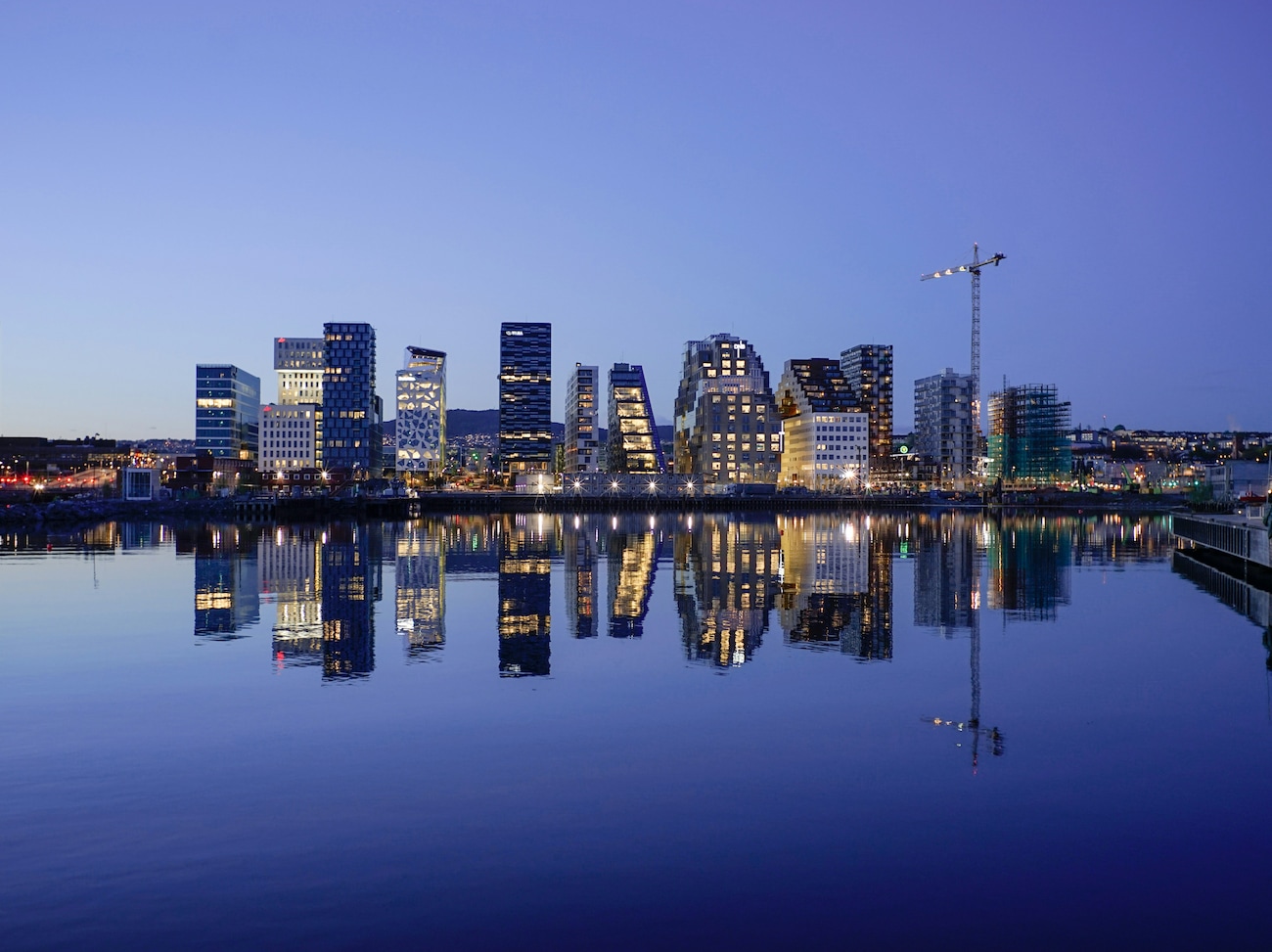

Oslo is a destination where vibrant urban culture meets stunning natural scenery. The city's top tourist attractions in Oslo span world-class museums, historic fortresses, and breathtaking fjord landscapes. This guide to the best places to visit in Oslo covers everything travellers need to plan a seamless Norwegian escape.
Set against the scenic backdrop of the Oslofjord and lush surrounding forests, Oslo stands as one of Europe's most captivating capitals. The city of Oslo is famous for its remarkable blend of rich history, thriving urban culture, and pristine natural beauty, a combination that makes Oslo sightseeing genuinely rewarding for every kind of traveller. From iconic museums and centuries-old fortresses to waterfront opera houses and sculpture parks, the places to visit in Oslo are as diverse as they are memorable. Whether you are interested in cultural exploration, outdoor activities in Oslo, or simply soaking in the Nordic atmosphere, this guide covers the top Oslo tourist attractions to help travellers plan the perfect Norwegian getaway.
Top Tourist Attractions in Oslo
- Vigeland Sculpture Park
- Akershus Fortress
- Bygdøy
- Oslo Opera House
- Fram Museum
- Munch Museum
- Museum Of Cultural History
- Holmenkollen Ski
- Oslo City Hall
- Natural History Museum
Vigeland Sculpture Park
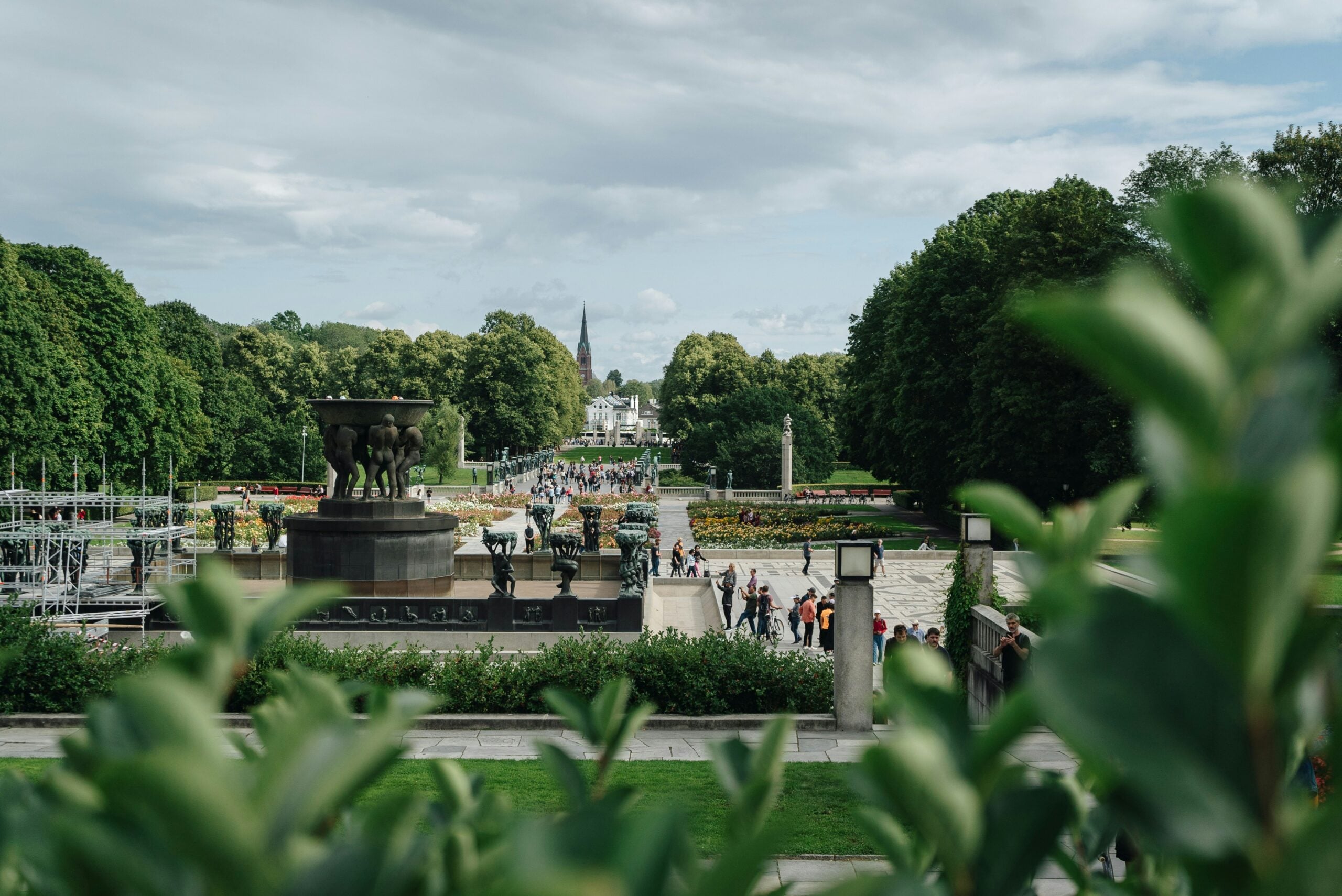
One of the most distinctive Oslo tourist attractions, Vigeland Sculpture Park is the world's largest sculpture installation by a single artist. Norwegian sculptor Gustav Vigeland created over 200 bronze and granite works spread across an 850-metre axis in Frogner Park. The centrepiece, The Monolith, towers over the park alongside The Bridge and The Fountain, all depicting raw, expressive human figures in varied poses that explore the full spectrum of life. Among the many things to do in Oslo, a visit to this park is both thought-provoking and visually stunning.
Location: Nobels gate 32, 0268 Oslo, Norway
Highlights: Art exhibitions, The Monolith, The Bridge, The Fountain and more.
Akershus Fortress
Perched on the banks of the Oslofjord, Akershus Fortress is among the most historically significant places to visit in Oslo. Built in 1299 as a royal residence, it later evolved into a Renaissance palace and a military stronghold before serving as a 19th-century prison. Today, it houses the Norwegian Armed Forces Museum and Norway's Resistance Museum, offering a compelling window into the country's medieval and modern past. Guided Segway and cycling tours make exploring this iconic landmark both efficient and enjoyable.
Location: Akershus Kommandant's Kap, Oslo, Eastern Norway 0015, Norway
Highlights: Akershus Castle Church, the Royal Mausoleum, and banquet rooms.
Bygdøy
Bygdøy is one of the most rewarding places to visit in Oslo city, offering a dense concentration of world-class museums alongside scenic coastal trails and popular beaches. History lovers can spend hours at the Viking Ship Museum, the Kon-Tiki Museum, and the Fram Museum, while outdoor enthusiasts can cycle its leafy paths or unwind at Huk and Paradisbukta beach during summer. For those exploring Oslo sightseeing beyond the city centre, Bygdøy delivers a seamless mix of culture and nature.
Location: West side of the city centre, Oslo, Norway
Highlights: Viking Ship Museum, Holocaust Centre, Fram Museum, Huk and Paradisbukta beach.
Oslo Opera House
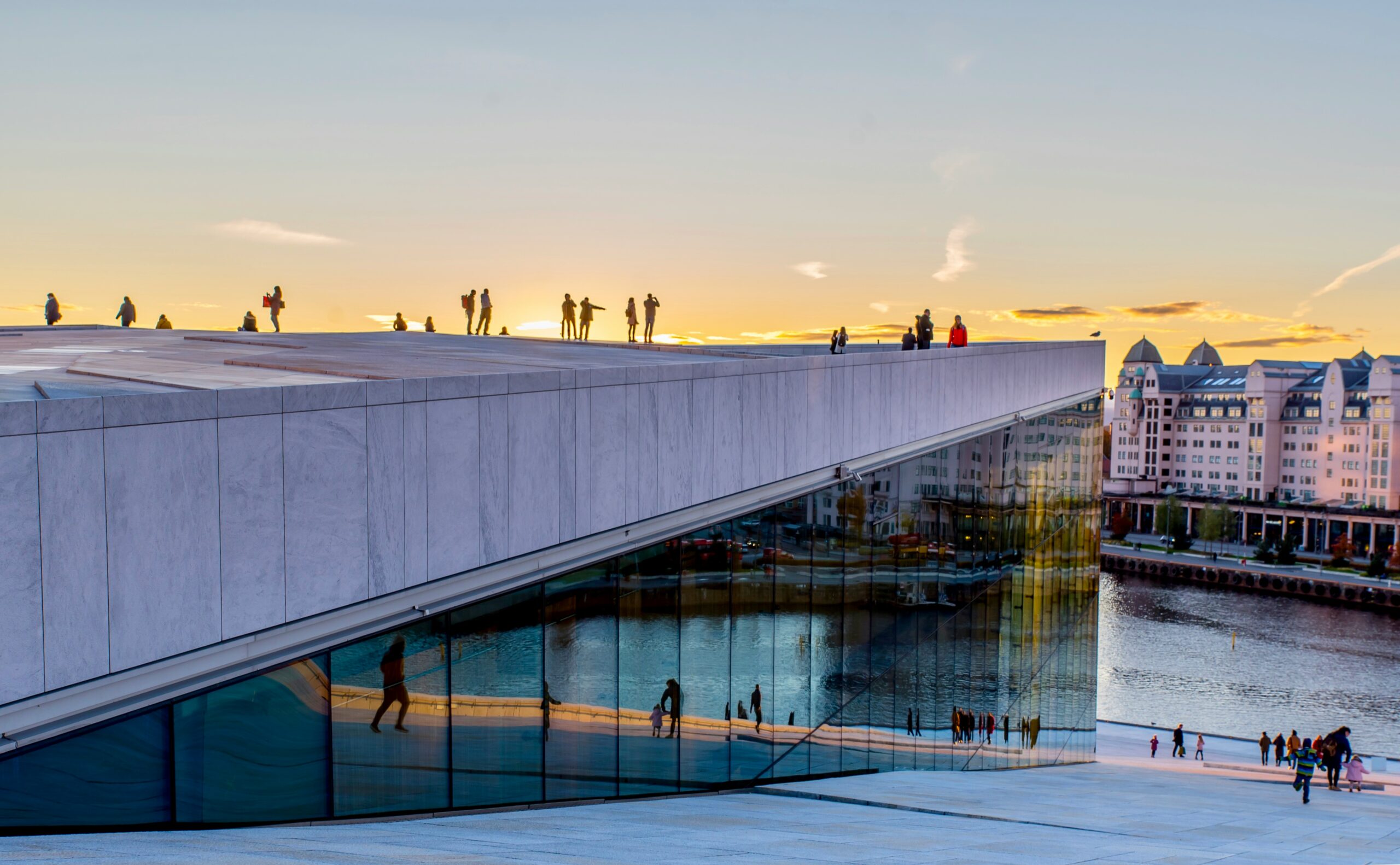
A striking example of modern Scandinavian architecture, the Oslo Opera House is famous for its marble-covered sloping roof that visitors can walk across for panoramic city views. Operated by Statsbygg on behalf of the Norwegian government, it functions as the country's foremost venue for opera, ballet, and orchestral concerts, hosting approximately 300 performances annually for over 250,000 visitors. Arriving early to experience the quiet of the main hall before a performance is one of the most immersive activities in Oslo for culture lovers.
Location: Kirsten Flagstads Plass 1, 0150 Oslo, Norway
Highlights: The wave wall, the factory, the carpet, and more.
Fram Museum
The Fram Museum is home to the Fram, the world's strongest wooden ship and the only vessel to have sailed to both the farthest south and farthest north. Among the most fascinating Oslo tourist attractions for history buffs, the museum documents the ship's legendary Arctic and Antarctic voyages through exhibitions available in 10 languages. The polar stimulator allows visitors to viscerally experience the conditions of polar expeditions from over a century ago, while the adjacent Gjøa building showcases the Northwest Passage and Arctic collections.
Location: Bygdøynesveien 39, 0286 Oslo, Norway
Highlights: Discover the Fram Ship, Polar Simulator Experience & Museum Shop
Munch Museum
Opened in 2021 on the Oslo waterfront, the Munch Museum houses the world's largest collection of works by Edvard Munch, making it one of the most famous places in Oslo. The museum redefines the gallery experience, functioning as both an art space and a cultural meeting point. Audio tours are available in English and Norwegian, and a dedicated film on Munch's life adds meaningful context to the artwork. Every Sunday at 1 PM, a brief exhibition introduction is offered in English from mid-June through early September.
Location: Tøyengata 53, 0578 Oslo, Norway
Highlights: Film on Edvard Munch's life, extensive art collection, and more.
Museum Of Cultural History
Spanning four floors, the Museum of Cultural History holds Norway's largest collection of prehistoric and medieval archaeological remains. The ground floor explores the Middle Ages, gold and silver treasures, and interdisciplinary exhibitions. Upper floors feature ethnographic displays including Egyptian mummies, Antique art, and artefacts from Arctic expeditions and cultures across Africa, Asia, and the Americas. Among Oslo sightseeing destinations, this museum rewards those who book a guided tour in advance, and a stop at the museum shop for souvenirs is a must.
Location: Frederiks gate 2, 0164 Oslo, Norway
Highlights: Mummies, museum shop, collection of historical coins, and more.
Holmenkollen Ski
Founded in 1923 and built into the actual Holmenkollen ski jump, this is the world's oldest ski museum and one of the most famous places in Oslo for sport and adventure enthusiasts. Its exhibitions trace 4,000 years of skiing history through Viking-age skis, polar expedition equipment used by Fridtjof Nansen and Roald Amundsen, and contemporary snowboard culture. The observation deck offers spectacular panoramic views across Oslo, and archival imagery from the 1952 Oslo and 1994 Lillehammer Winter Olympics adds to its rich historical atmosphere.
Location: Kongeveien 5, 0787 Oslo, Norway
Highlights: Collections, educational programs, exhibitions, and more.
Oslo City Hall
Oslo City Hall is a landmark red brick building that opened in 1950 and was honoured as 'Structure of the Century' in a 2005 public vote. It serves as the seat of the city council and administration, and is home to the largest carillon in the Nordic region. The building's interior is richly adorned with Norwegian murals, sculptures, and motifs drawn from Norwegian history, culture, and working life. Monthly carillon concerts held every first Saturday at 11 AM, and on Sundays in June, July, and August make it a cultural highlight among Oslo tourist attractions.
Location: Rådhusplassen 1, 0037 Oslo, Norway
Highlights: Wall paintings, architecture, history and more.
Natural History Museum
Housing over 80 million specimens across five disciplines: botany, entomology, mineralogy, palaeontology, and zoology, the Natural History Museum is among the most expansive places to visit in Oslo city for science and discovery. Dinosaur skeletons, Charles Darwin's personal specimens, and an extensive scientific library make each visit genuinely absorbing. Known as the British Museum until 1992, the institution has since grown to include the Darwin Centre, one of its most popular and forward-looking additions.
Location: Sars' gate 1, 0562 Oslo, Norway
Highlights: The Darwin Centre, the geological museum, the Attenborough Studio, and more.
Oslo offers an unmatched travel experience for those who appreciate both cultural depth and natural grandeur. From the iconic Vigeland Sculpture Park to the commanding Akershus Fortress, the best places to visit in Oslo present a compelling mix of history, art, and Nordic character that few European capitals can match. Choosing the best time to visit Oslo matters. Summer months bring long daylight hours and lively outdoor events, while winter transforms the city into a serene, snow-dusted escape. Browse our Oslo tour packages for expert-curated itineraries and 24/7 customer support tailored for every type of traveller.
FAQs
Q1. What are the must-visit tourist attractions in Oslo for first-time travellers?
First-time visitors should prioritise iconic highlights such as Vigeland Sculpture Park, Akershus Fortress, and the Oslo Opera House. These landmarks offer a well-rounded introduction to Oslo’s artistic heritage, historical depth, and modern architectural brilliance, all within accessible distance of the city centre.
Q2. Is Oslo suitable for travellers interested in both culture and nature?
Yes, Oslo uniquely combines cultural attractions with natural beauty. Areas like Bygdøy offer world-class museums alongside beaches and forest trails, while the Oslofjord provides scenic views and cruise opportunities, making it ideal for travellers seeking a balanced experience.
Q3. Which museums in Oslo are considered unmissable?
Top museums include the Fram Museum, which showcases polar expeditions, and the Munch Museum, home to Edvard Munch’s works. The Museum of Cultural History is also highly recommended for its extensive historical collections.
Q4. What is the best time to visit Oslo for sightseeing?
The best time to visit Oslo depends on your preferences. Summer (June to August) offers long daylight hours, pleasant weather, and vibrant outdoor activities, while winter provides a quieter atmosphere with snow-covered landscapes and access to skiing experiences at places like Holmenkollen Ski Museum.
Q5. How many days are enough to explore Oslo’s top attractions?
A stay of 2-3 days is generally sufficient to cover major Oslo tourist attractions, including museums, historical sites, and waterfront landmarks like Oslo City Hall. Extending your stay allows for deeper exploration, including fjord excursions and visits to lesser-known cultural sites.





 84 videos









Post your Comment
Please let us know your thoughts on this story by leaving a comment.